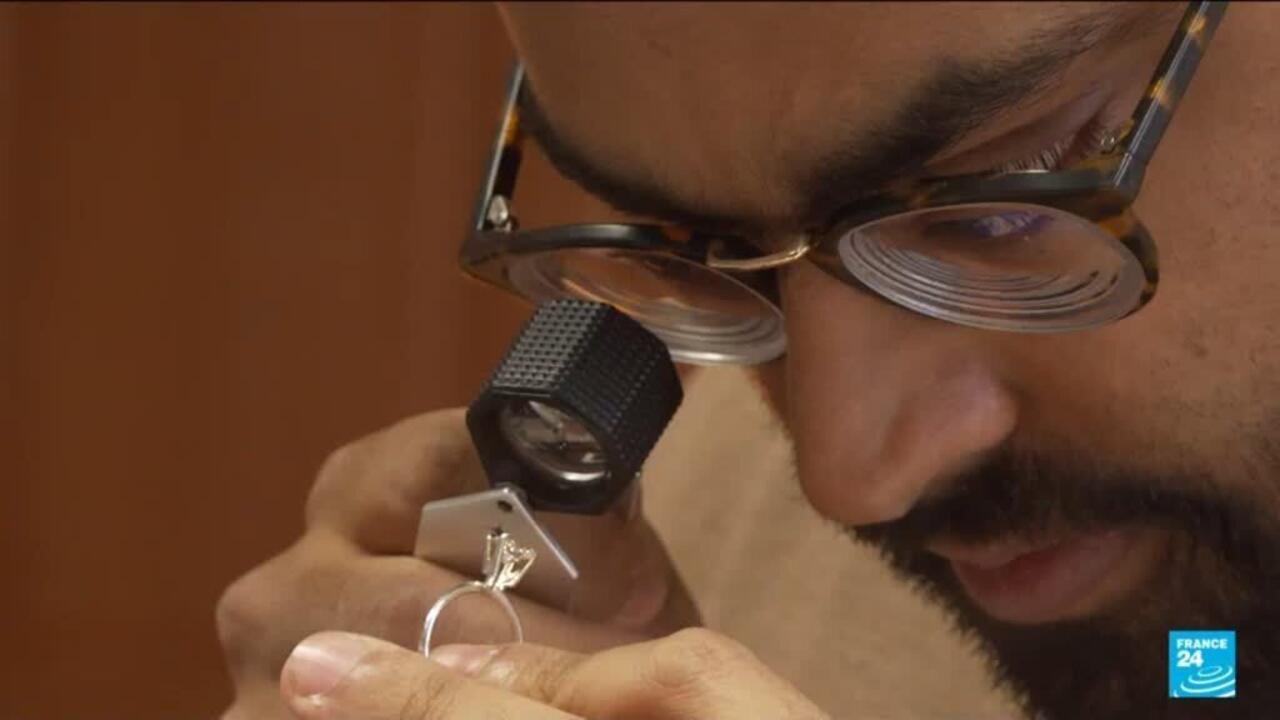
The Fate of France’s Stolen Jewels: Beyond the Louvre Heist
A daring theft has gripped the art world. Just days ago, a notable collection of royal jewels vanished from the Louvre Museum in Paris, valued at over $100 million (approximately €88 million). But the immediate shock is giving way to a more unsettling question: what happens next? Experts increasingly fear these irreplaceable artifacts may not simply disappear into a private collection. Instead, they could be irrevocably altered, broken down, and reintroduced into the market – piece by piece.
This isn’t a scenario ripped from a Hollywood thriller; its a very real possibility when dealing with high-value, tough-to-trace items like these. Let’s delve into the potential fate of these stolen treasures, the challenges of recovery, and what this means for the future of art security. We’ll also explore related concerns like art theft insurance, jewelry resale markets, and the growing sophistication of cultural heritage crime.
The Looming Threat: Melting Down History
The most immediate concern is the potential for the jewels to be melted down or disassembled. Why? Because transforming these iconic pieces into raw materials drastically reduces their recognizability. A complete, historically significant necklace is far easier to identify than individual diamonds or gemstones.
* Reduced Risk: Breaking down the jewels minimizes the risk of detection during resale.
* Increased Profit: Smaller stones can be incorporated into new, less conspicuous jewelry pieces.
* Obscured Provenance: The original history and ownership of the individual components become harder to trace.
According to a recent report by the Art Loss Register (October 2024), a leading database for stolen art and antiques, approximately 60% of high-value stolen jewelry is either dismantled or significantly altered within the first year. This statistic underscores the urgency of the situation.
How Stolen Jewels Re-Enter the Market: A Shadowy Process
If the jewels are broken down,where do the components end up? The answer lies within a complex network of illicit trade.
* Unscrupulous Jewelers: Some jewelers, knowingly or unknowingly, may purchase stones with questionable origins.
* Online Marketplaces: The anonymity of online platforms facilitates the sale of individual gemstones.
* International Networks: Organized crime groups specialize in moving stolen goods across borders.
* Auction Houses (Indirectly): While reputable auction houses conduct due diligence, smaller, less regulated auctions can be exploited.
This process is fueled by the demand for rare gemstones and the potential for significant profit. The term antique jewelry valuation becomes crucial here, as inflated or falsified appraisals can mask the illicit origins of the stones.
The Challenges of Recovery: A Global Pursuit
Recovering stolen art, especially jewelry, is notoriously difficult. Several factors contribute to this challenge:
* Cross-Border Movement: Stolen items are frequently enough quickly transported across international borders, complicating investigations.
* Lack of Cooperation: Jurisdictional issues and varying levels of law enforcement cooperation hinder recovery efforts.
* Refined Criminals: Art thieves are frequently enough highly organized and technologically savvy.
* Limited Public Awareness: the public plays a vital role in reporting suspicious activity, but awareness of stolen art is often low.
Interpol’s Works of Art Unit actively assists in investigations, but their resources are stretched thin. A 2023 UNESCO report highlighted a 30% increase in reported cultural property crimes globally, demonstrating the escalating problem.
Protecting Your Own Valuables: Practical Steps
While the Louvre heist is a large-scale event, it serves as a reminder of the importance of protecting your own valuable jewelry and art. Here’s what you can do:
- Detailed Documentation: Create a comprehensive inventory of your valuables, including photographs, descriptions, and appraisals.
- Secure Storage: Invest in a high-quality safe for storing valuable items.
- **Insurance Coverage