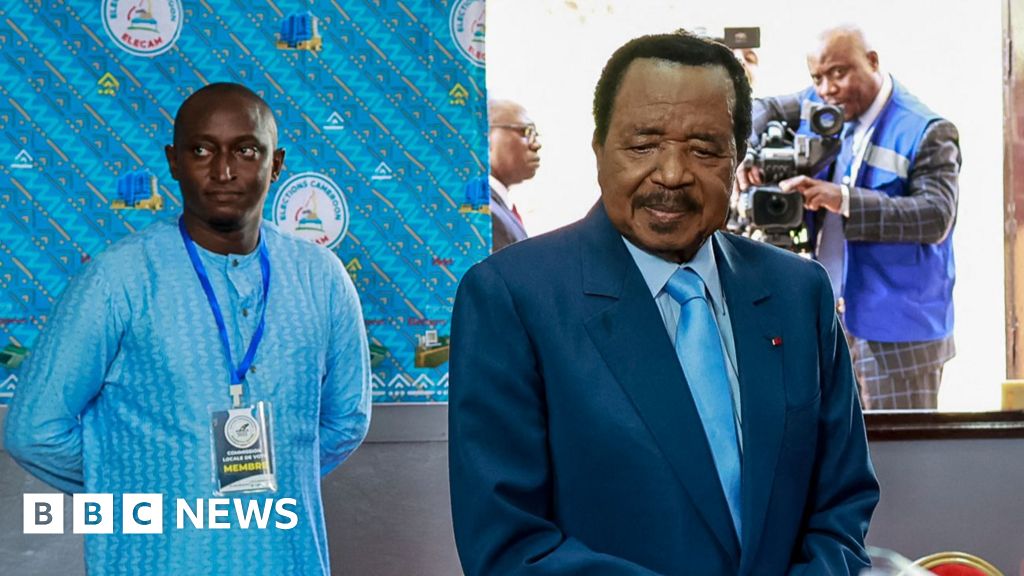
Cameroon’s Disputed Election: A Nation on Edge
Cameroon is facing a period of heightened uncertainty following the recent presidential election, with results extending the four-decade rule of President paul Biya. The election has been marred by allegations of fraud and widespread discontent, raising concerns about potential political instability in the Central african nation. You may be wondering what’s fueling this tension and what it means for Cameroon’s future.
A Familiar Outcome, Familiar Concerns
Paul Biya, who assumed power in 1982, was declared the winner, securing a seventh term. However, the victory has been fiercely contested by opposition leaders and a significant portion of the population. Supporters of issa Tchiroma Bakary, a key opposition figure, are claiming the ruling CPDM party orchestrated a plan to manipulate the outcome.
The governing party, however, has presented Biya’s win as a mandate for ”greatness and hope.” This stark contrast in perspectives underscores the deep divisions within Cameroonian society.
A Leader Shrouded in mystery
biya’s leadership has become increasingly characterized by his limited public appearances and extended periods spent abroad, often in Switzerland. These prolonged absences have, at times, fueled speculation about his health, even sparking rumors of his death.
while his supporters point to achievements like the expansion of educational opportunities and the successful resolution of the Bakassi peninsula dispute with Nigeria, critics highlight a growing list of challenges facing the nation.
Mounting Challenges Facing Cameroon
Cameroon is grappling with a complex web of issues that are fueling public frustration. Consider these key concerns:
* Separatist Conflict: A violent insurgency in the English-speaking western regions has been ongoing for nearly a decade, creating a humanitarian crisis and destabilizing the country.
* Economic hardship: Unemployment among those under 35 stands at a staggering 40%, leaving a large segment of the population without opportunities.
* infrastructure Decay: Roads and hospitals are in a state of disrepair,hindering development and access to essential services.
* Restricted Freedoms: Freedom of speech and political expression are increasingly limited, stifling dissent and hindering democratic progress.
These issues have created a climate of discontent, making the disputed election results all the more sensitive.
A Potential Turning Point?
Analysts are warning that Cameroon, once a beacon of stability in the region, is at a critical juncture. If the election results are perceived as illegitimate, the country could descend into further political turmoil.
Murithi Mutiga, Africa Program Director at the International Crisis Group, emphasized the fragility of the situation.He stated that Biya’s “shaky mandate” necessitates urgent national mediation to prevent further escalation.
What Does This Mean for You?
the situation in Cameroon is a reminder of the importance of free and fair elections, good governance, and inclusive development. As the country navigates this challenging period, it’s crucial for leaders to prioritize dialog, address the root causes of discontent, and ensure the voices of all citizens are heard.
The coming weeks and months will be pivotal in determining Cameroon’s path forward. A commitment to openness, accountability, and genuine national reconciliation will be essential to prevent further instability and build a more prosperous and equitable future for all Cameroonians.
Keep reading
- Prince Louis’ Viral Moment: The Cute Behavior That Has the World Entertained
- Microsoft Significantly Increases Xbox Prices in Europe
- US Labor Market Stabilizes as Jobless Claims Fall and Openings Hold Steady (archyworldys.com)
- Marlen Reusser wins Stage 4 time trial to claim Tour de France Femmes yellow jersey (time.news)