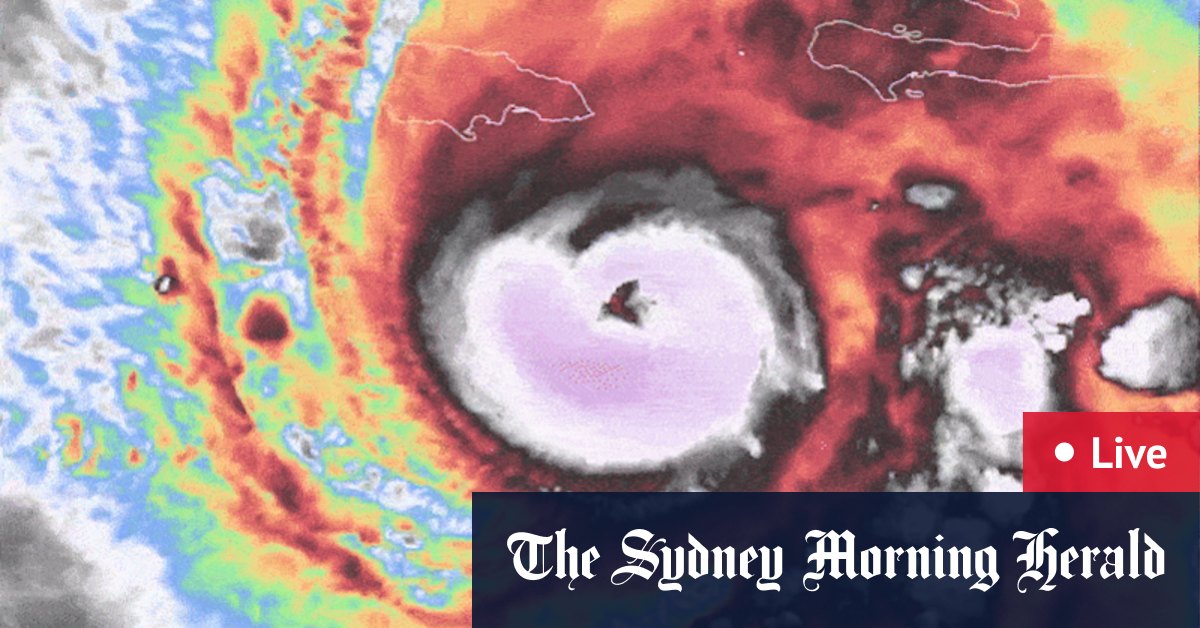
Category 5 Hurricane Melissa Threatens Jamaica, Signals Intensifying Storm Patterns
Hurricane Melissa has rapidly intensified into a Category 5 storm, posing a significant threat to Jamaica as it approaches. Teh National Hurricane Center is closely monitoring the situation, and residents are bracing for potentially devastating conditions.
This intensification comes on the heels of Hurricane Beryl, which reached Category 5 status at an unprecedented speed for the Atlantic season. Scientists are increasingly concerned about a trend: storms are strengthening faster due to warmer ocean waters fueled by climate change. This creates more powerful storms with greater destructive potential.
What You Need to Know about the Current Threat:
* Melissa is packing sustained winds exceeding 100 mph.
* Torrential rainfall is expected to continue for days.
* Infrastructure damage is a major concern, potentially hindering aid delivery.
* The slow movement of the storm exacerbates the risk of widespread devastation.
I’ve found that slow-moving major hurricanes often become some of the most deadly and destructive events on record. this situation is unfolding with alarming slowness, allowing time for readiness but also prolonging the anxiety and potential impact.
Tens of thousands of families are in the path of these extreme winds and relentless rainfall. Here’s what’s particularly worrying: the potential for widespread power outages, flooding, and significant structural damage.
Experts emphasize that the warming ocean temperatures are directly contributing to this increased intensity.These warmer waters act as fuel for hurricanes, allowing them to rapidly strengthen and maintain their power for longer periods.
It’s a dire situation, and continued vigilance and preparedness are crucial for those in the affected areas. Remember, staying informed and following the guidance of local authorities is your best course of action.
This event serves as a stark reminder of the growing impact of climate change and the increasing need for proactive measures to mitigate its effects. We must prioritize both immediate disaster response and long-term strategies to address the root causes of these intensifying storms.