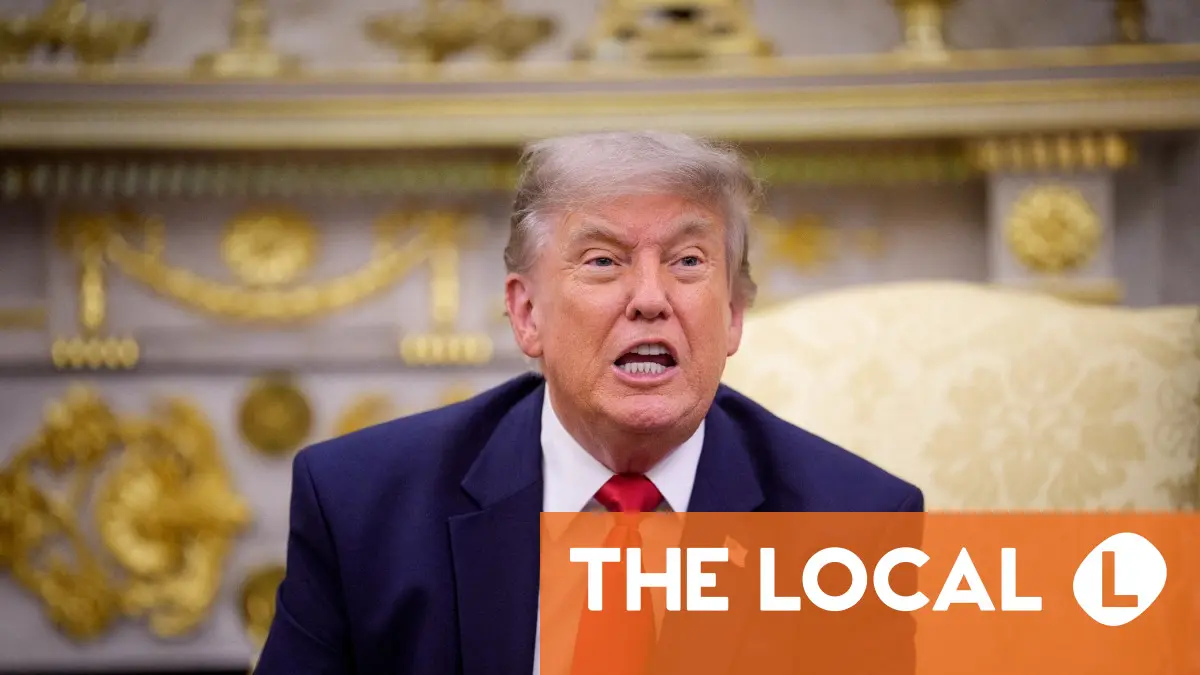
Norway is preparing a formal complaint to FIFA regarding the suspension of a World Cup ban for Folarin Balogun, following what has been described as an intervention by Donald Trump. The Norwegian football chief told The Times that the move has put “the whole game at risk,” signaling a significant diplomatic and regulatory clash between a national football association and the global governing body.
The dispute centers on the integrity of disciplinary actions within international football and whether political influence can override standard sporting sanctions. Norway’s leadership contends that the reversal of Balogun’s ban undermines the authority of the rules that govern the sport, creating a precedent where high-profile interventions could dictate player eligibility.
Folarin Balogun, a striker who has represented the United States at the international level, was subject to a World Cup ban that was subsequently suspended. The timing and nature of this suspension have drawn scrutiny, particularly regarding the role of the U.S. presidency in the decision-making process.
Norway’s Challenge to FIFA Over Disciplinary Integrity
The Norwegian Football Federation’s decision to file a complaint stems from a belief that the suspension of the ban was not based on sporting merit or legal precedent, but rather on external political pressure. According to the report by The Times, the Norwegian football chief believes that allowing such interventions to stand threatens the foundational principles of fair play and regulatory consistency across all member nations.
FIFA’s disciplinary code is designed to ensure that sanctions—ranging from yellow and red cards to multi-match bans—are applied uniformly regardless of a player’s nationality or the political standing of their home country. By challenging this specific case, Norway is seeking a clarification on whether FIFA’s internal judicial processes are immune to the influence of heads of state.
The phrase “the whole game at risk” reflects a concern that if the rules of the game can be bent for specific individuals through political leverage, the legitimacy of every official decision on the pitch and in the boardroom is diminished. This creates a precarious environment for smaller nations who may not possess the same geopolitical influence to negotiate the lifting of sanctions for their own athletes.
The Role of Political Intervention in Sporting Sanctions
The core of the controversy lies in the alleged intervention by Donald Trump to secure the lifting of the ban for Balogun. While FIFA typically maintains a strict separation between politics and football, the perceived intersection in this case has sparked a debate about the autonomy of sports governing bodies.
Under FIFA statutes, the organization prohibits the government or other parties from interfering in the affairs of its member associations. If it is proven that a political entity influenced a judicial outcome regarding a player’s eligibility, it could potentially violate the very statutes FIFA uses to sanction countries for government interference in football.
The suspension of a ban is a rare occurrence and usually requires a documented change in circumstances or a successful appeal based on new evidence. Norway’s complaint seeks to uncover the specific justifications used by FIFA to suspend Balogun’s ban and whether those justifications align with the standard procedures applied to other players globally.
Potential Consequences for FIFA and International Football
If FIFA rejects Norway’s complaint, the governing body may face accusations of inconsistency and favoritism. Conversely, if FIFA admits that political pressure played a role, it opens the door for other member associations to request similar “diplomatic” reviews of their players’ disciplinary records.
The impact of this decision extends beyond the individual player. It touches upon the governance of the World Cup and the perceived fairness of the tournament. The integrity of the competition relies on the premise that all participants are subject to the same set of laws, enforced by an impartial judiciary.
Football analysts suggest that this case could force FIFA to implement more transparent reporting requirements for how disciplinary appeals are handled, especially those involving high-profile athletes from powerful nations. The outcome will likely determine if the “beautiful game” remains governed by its own laws or becomes a reflection of global political power dynamics.
The next confirmed step in this process is the submission of the formal complaint by the Norwegian football authorities to the FIFA Disciplinary Committee. Further updates will depend on FIFA’s official response to the filing.
We invite readers to share their perspectives on the intersection of politics and sports in the comments section below.
Worth a look