Government Shutdown Threatens Vital Social Safety nets: SNAP, Head Start, and WIC Face Critical Funding Shortfalls
The ongoing federal government shutdown is escalating beyond political maneuvering, directly impacting the lives of millions of Americans who rely on crucial social safety net programs. From food assistance for families to early childhood education and support for vulnerable mothers and children, the ripple effects are becoming increasingly severe, forcing states to scramble for solutions while bracing for a surge in demand.This article provides a comprehensive overview of the unfolding crisis, detailing the specific programs at risk, state-level responses, and the potential long-term consequences.
The Looming SNAP Cliff: Food Insecurity on the rise
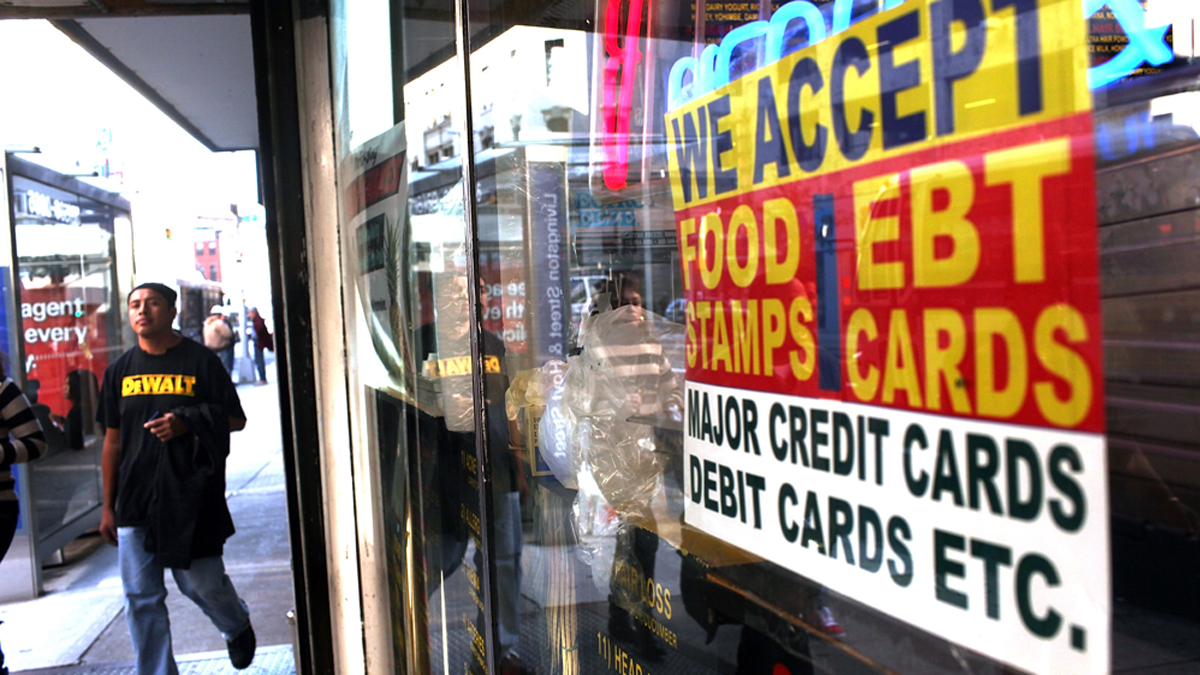
The Supplemental Nutrition Assistance Program (SNAP), formerly known as food stamps, is at the forefront of the crisis. Millions of recipients are facing uncertainty as February benefits, traditionally delivered via Electronic Benefit Transfer (EBT) cards, are in jeopardy. While states are working to ensure existing balances remain usable, the lack of replenishment poses a meaningful threat to food security, particularly for families already struggling to make ends meet.This isn’t a future concern; families are already being forced to choose between buying food and paying other essential bills.
The timing couldn’t be worse. Food banks across the nation are preparing for a dramatic increase in demand, a challenge compounded by dwindling federal aid. The USDA has explicitly stated that states will not be reimbursed for funding SNAP benefits independently, placing a substantial financial burden on already strained state budgets.
State Responses: A Patchwork of Solutions
Recognizing the urgency, states are attempting to mitigate the damage, but the solutions are varied and frequently enough limited. Both Democratic and Republican-led states are actively seeking ways to fill the void left by the federal shutdown, but many lack the technical infrastructure to fully replicate SNAP benefits.
Here’s a snapshot of state-level efforts:
* louisiana, Vermont, and Virginia: Have pledged to provide some form of backup food aid, though specific details are still being finalized.
* New Hampshire,Minnesota,California,New Mexico,Connecticut,and New York: are planning increased funding for food banks and pantries.
* South Carolina: Governor Henry McMaster has opened a disaster relief fund, traditionally used for hurricanes, to provide grants to food banks. However, the fund is currently empty and reliant on immediate donations. The scale of the need is immense – over $100 million in SNAP benefits are typically distributed monthly in the state.
* Pennsylvania: democratic lawmakers are advocating for $60 million in emergency aid for food banks and Meals on Wheels programs, but a budget stalemate is hindering progress. Over $25 million in aid to food banks is currently stalled.
These efforts, while commendable, represent a temporary fix. The long-term sustainability of these state-funded programs remains uncertain, and the lack of federal reimbursement creates a significant financial strain.
Beyond Food: The Impact on Early Childhood Education – Head start at Risk
The shutdown’s impact extends far beyond food assistance.Over 130 Head Start preschool programs are facing the loss of federal grants starting November 1st. Head Start, a vital program providing education and childcare for the nation’s most vulnerable preschoolers, relies almost entirely on federal funding.
The potential consequences are dire. center closures would force families to make difficult choices – potentially missing work or school to care for their children. Approximately 65,000 children could be affected, disrupting their early advancement and exacerbating existing inequalities. While some programs have managed to stay afloat using dwindling reserves or local government assistance, these are short-term solutions.
WIC: A Critical Lifeline Facing Exhaustion
The Special Supplemental Nutrition Program for Women, Infants, and Children (WIC) provides crucial support to over 6 million low-income mothers, young children, and expectant parents, enabling them to purchase nutritious foods like fruits, vegetables, and infant formula.
While a temporary infusion of $300 million from the Trump administration kept the program operational through October, those funds are rapidly depleting. States are now warning they could run out of WIC funding as early as November 8th. This would leave millions of vulnerable individuals without access to essential nutritional support, potentially leading to adverse health outcomes for both mothers and children.
The Political Stalemate: A Breakdown of Obligation
The current impasse stems from a political standoff between the Trump administration and Congressional Democrats.The administration blames Democrats for refusing to reopen the government untill Republicans negotiate on extending Affordable Care Act subsidies. Democrats, in turn, insist on negotiations before agreeing to reopen the government. This partisan gridlock is holding vital social programs hostage, with real