Escalating Tensions: A Timeline of U.S. Naval Engagements in the Caribbean and Pacific
The final months of 2020 witnessed a dramatic and controversial series of events unfolding in the waters off the coasts of Venezuela and Colombia. These incidents involved the U.S. Navy engaging with vessels suspected of involvement in drug trafficking, leading to significant loss of life and raising serious questions about international law and jurisdictional boundaries. Let’s break down what happened, chronologically, and explore the implications of these actions.
October 2020: A Rapidly Escalating Situation
The situation began to unfold quickly, with a pattern emerging of U.S. naval forces intercepting and, in many cases, destroying boats. Here’s a detailed look at the timeline:
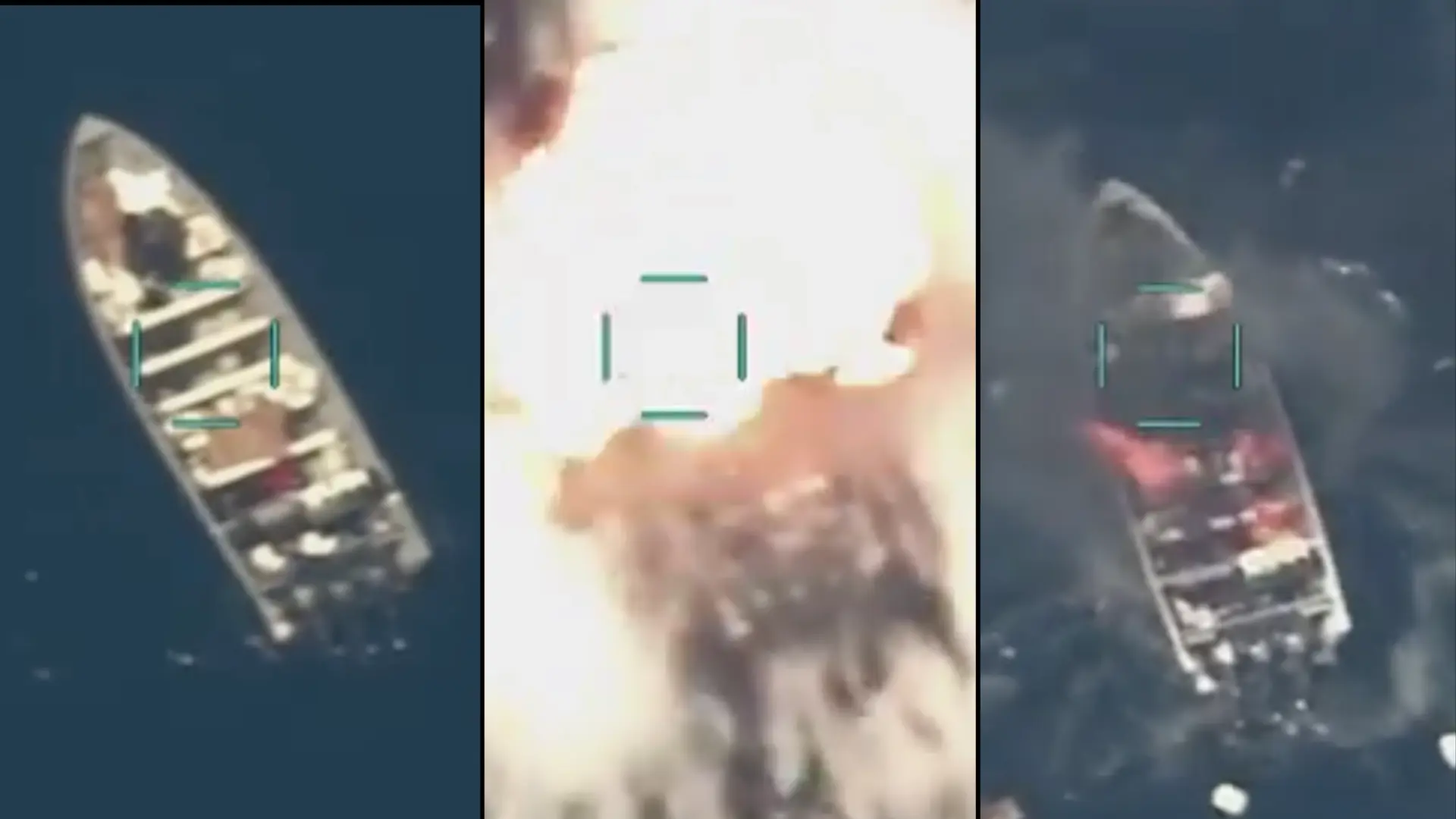
* October 6th: The first reported incident involved an attack on a vessel in the Caribbean, resulting in the deaths of four crew members. Notably, a video of the explosion was publicly released, mirroring a tactic previously employed to highlight similar operations.
* October 14th: A fifth incident occurred near venezuelan shores, claiming the lives of six individuals, according to U.S. reports.
* October 16th: This marked a significant escalation, as a U.S. military submarine came under attack. Tragically, two crew members perished, while two others survived. These survivors, identified as being from Ecuador and Colombia, were repatriated without legal proceedings despite being labeled as drug traffickers by the U.S. administration.
* October 17th: The U.S. announced the sinking of a seventh vessel two days prior, linking it to the Colombian National Liberation Army (ELN), a group designated as a terrorist association. Three individuals reportedly died in this engagement.
* October 21st: The conflict expanded geographically with the eighth incident, occurring in the Pacific Ocean near Colombia. This attack resulted in two fatalities.
* October 22nd: A ninth vessel was targeted in the Pacific, again near Colombian waters, leading to three more deaths. A concerning statement was made at this time, indicating that these engagements would “continue, day after day,” and hinting at potential expansion into terrestrial operations.
* October 24th: The tenth engagement targeted a boat allegedly operated by the Tren de Aragua, a Venezuelan criminal organization, resulting in the deaths of six people in international waters of the Caribbean.
* October 28th: The most lethal incident to date occurred, with the U.S. Navy attacking four boats in the Pacific. Fourteen people lost their lives, and one survivor was rescued by the Mexican Navy.
* October 29th: The final reported incident involved a single vessel in the Pacific, resulting in four deaths.
What Does This Mean for You?
These events raise several critical questions. You might be wondering about the legal justification for these actions,the potential for misidentification and civilian casualties,and the broader implications for regional stability.
Key Concerns and Considerations
Let’s address some of the core issues:
* Jurisdictional Issues: The majority of these incidents occurred in international waters or near the coastlines of Venezuela and Colombia. This raises questions about the extent to which the U.S. Navy can legally engage with vessels in these areas.
* Due Process and Accountability: The swift repatriation of survivors without legal proceedings, coupled with accusations of drug trafficking, raises concerns about due process and the presumption of innocence.
* Escalation risk: The rhetoric surrounding these engagements, particularly the suggestion of expanding operations onto land, carries a significant risk of escalating tensions in an already volatile region.
* Transparency and Verification: Relying solely on data provided by one side – in this case, the U.S. government – makes self-reliant verification of the facts challenging.
* Humanitarian Impact: The high number of fatalities underscores the human cost of these operations and the potential for unintended consequences.
**
Worth a look