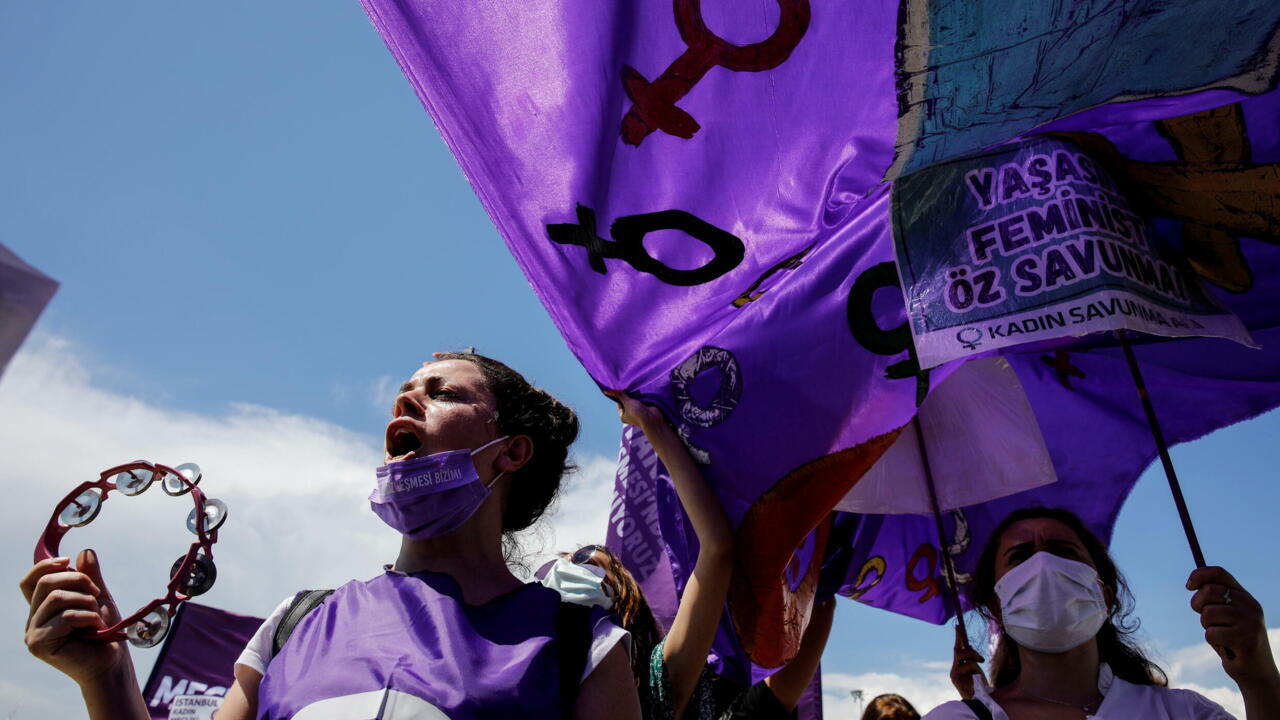
Latvia‘s Controversial Exit from the Istanbul Convention: A Deep Dive into the Debate on Violence Against Women
Latvia’s parliament recently voted to withdraw from the Istanbul Convention, a landmark treaty designed to prevent adn combat violence against women.This decision marks a notable and concerning shift, making Latvia the first European Union nation to abandon the agreement. But what exactly is the Istanbul Convention, and why is this move sparking such intense debate?
Understanding the Istanbul Convention
The Council of Europe developed the Istanbul Convention – officially known as the Council of Europe Convention on preventing and combating violence against women and domestic violence – to create a complete legal framework for protecting women and girls. It requires signatory nations to:
* Develop legislation criminalizing various forms of violence, including domestic abuse, sexual assault, stalking, and female genital mutilation.
* Provide support services for victims, such as shelters, counseling, and legal aid.
* Promote awareness campaigns to challenge societal attitudes that perpetuate violence.
* Collect data on violence against women to inform policy and track progress.
Ratified by Latvia in November 2024, the convention aimed to strengthen national laws and policies to end violence and abuse. However, a swift reversal is now underway.
Why is Latvia Leaving? The Rise of “Gender Ideology” Concerns
The driving force behind the withdrawal is a growing sentiment within Latvia’s right-wing political factions. They claim the convention promotes what they term “gender ideology,” a phrase often used to criticize concepts of gender equality and LGBTQ+ rights.
Specifically,opponents allege the convention undermines traditional family values and introduces harmful “gender theories” into education and public life. These claims,though,have been repeatedly refuted by the Council of Europe. In 2022,the Council explicitly stated the Istanbul Convention does not establish new norms regarding gender identity or sexual orientation.
Despite these clarifications, the narrative persists, fueled by misinformation and a conservative backlash against progressive social policies.
A Divided Parliament and Uncertain Future
The parliamentary vote on Thursday passed 56-32, wiht two abstentions. This outcome reflects a deep division within Latvia’s governing coalition. While right-wing opposition parties overwhelmingly supported the withdrawal,Prime minister Evika Silina’s coalition was fractured. Representatives from the Union of Greens and Farmers voted to leave,while other parties within the coalition attempted to maintain Latvia’s commitment to the treaty.
The motion now rests with President Edgars Rinkevics, who has expressed reservations but hinted he may not veto the parliamentary decision. His ultimate course of action remains uncertain.
The Impact on Women’s Rights in latvia
women’s rights groups in latvia are deeply alarmed by the potential consequences of this withdrawal. They argue the Istanbul Convention has already yielded tangible benefits, saving lives and improving protections for vulnerable women.
The MARTA center, a leading advocate for women and migrants’ rights, emphasizes that the convention’s ratification wasn’t merely symbolic. It translated into real-world improvements in support services and legal frameworks.
Furthermore, this decision comes amidst a broader push by Latvia’s right wing to restrict abortion access, raising concerns about a systematic erosion of women’s reproductive rights and bodily autonomy.
What Does This Mean for the EU and Beyond?
Latvia’s move sets a worrying precedent within the European Union. While other nations have faced internal opposition to the Istanbul Convention, none have yet taken the step to withdraw.
This decision could embolden anti-gender equality movements across Europe and possibly undermine the EU’s commitment to protecting women’s rights. It also raises questions about the future of international cooperation on combating violence against women, a pervasive global issue.
Staying Informed and Supporting Women’s rights
You can stay informed about this developing situation by following reputable news sources like France 24 and the Council of Europe. If you are concerned about the impact of this decision, consider supporting organizations working to protect women’s rights in Latvia and beyond. Your voice and support can make a difference in ensuring the safety and well-being of women and girls everywhere.