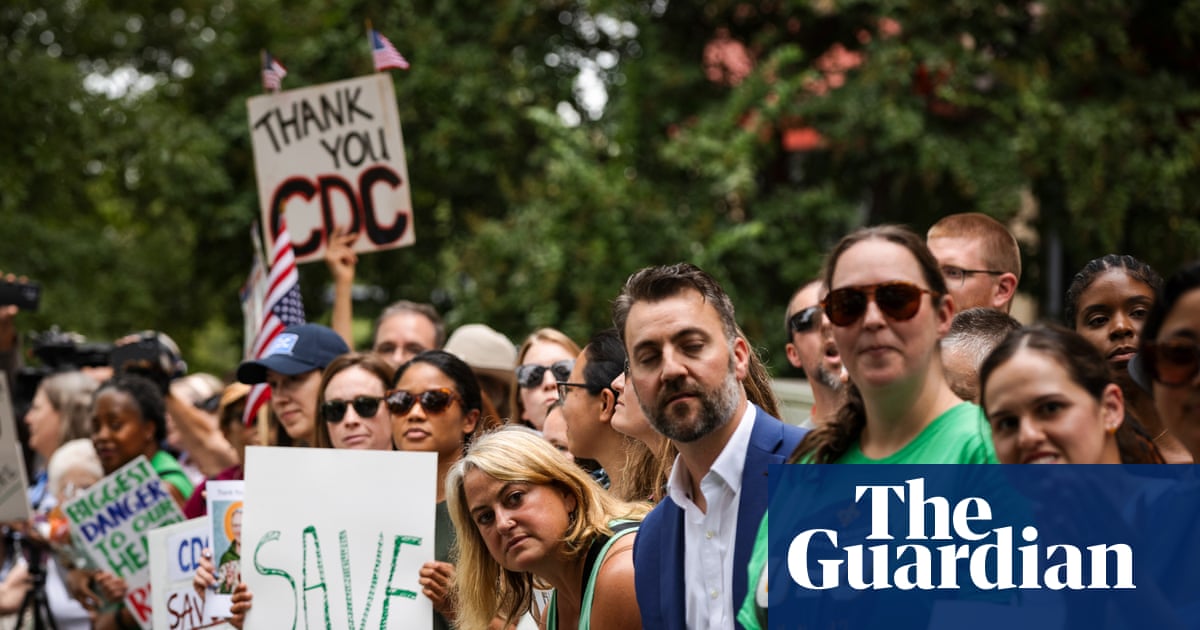
CDC Turmoil: Layoffs,Reinstatements,and a Crisis of Public Health Preparedness
The Centers for Disease Control and Prevention (CDC) has been embroiled in a year of unprecedented disruption,marked by waves of layoffs,abrupt reinstatements,and accusations of politically motivated interference. These actions have left dedicated public health professionals in limbo, sparked concerns about the agency’s ability to respond to future crises, and raised serious questions about the administration’s commitment to public health. This article delves into the unfolding situation, examining the impact on CDC employees, the implications for public health infrastructure, and the potential path forward.
A Cascade of Layoff Notices & Systemic Issues
The turmoil began in April, with notices going out eliminating entire CDC offices – including the Office on Smoking and Health, where veteran employee Backus worked. The initial shock was compounded by a disturbing detail: Backus didn’t even receive her notice directly. her access to the CDC network, including email, had been preemptively cut off.
This pattern of disruption continued, with employees receiving and then having layoff notices rescinded within days. Approximately 700 employees were ultimately reinstated, but 600 remain terminated as of mid-October. This chaotic process highlights a deeper systemic issue within the agency, leaving many wondering what criteria, if any, are guiding these decisions.
The Human Cost: Uncertainty and Administrative Limbo
For those caught in the crossfire, the experience has been deeply unsettling. Backus, currently on administrative leave, exemplifies the frustration felt by many. “I’m stuck in limbo, following court cases, gathering information, and trying to figure out what my next steps should be,” she stated.
This isn’t just about job security; it’s about the erosion of institutional knowledge and the disruption of critical public health work. Many employees, even those “un-RIFed” (meaning not subject to Reduction in Force), find themselves on administrative leave, unable to contribute their expertise.
Key Impacts of the CDC Restructuring:
* Loss of Expertise: Experienced professionals in vital areas like smoking cessation and emergency response have been let go or sidelined.
* Eroded Congressional Access: The reduction of Washington-based CDC staff limits direct communication between the agency and the lawmakers who fund it. this hinders timely information sharing during critical events.
* Financial Inefficiency: Taxpayer dollars are being diverted to legal battles stemming from the contested layoffs, rather than supporting public health initiatives.
* Damaged Morale: The uncertainty and perceived arbitrary nature of the layoffs have created a climate of fear and distrust within the agency.
The MMWR Under Fire: A Shocking Decision
The situation surrounding the Morbidity and Mortality Weekly Report (MMWR), a highly respected scientific journal, is notably alarming. The MMWR was not only reinstated after initial cuts but had also been specifically included in the President’s budget request for the first time.
“To have it cut at this point is just shocking,” said Charlotte Kent, former editor-in-chief of the MMWR. The MMWR serves as a crucial source of data and analysis for public health professionals nationwide, and its disruption raises concerns about the transparency and accessibility of vital information.
Allegations of Political Motivation & a “Squid Game” Scenario
Many current and former CDC employees believe the layoffs are politically motivated. One former employee, speaking anonymously to avoid reprisal, described the situation as “like being in a strange game where there’s no rules… It’s honestly like Squid Games – we don’t know what’s going to happen next.”
Tighe, a representative for affected employees, strongly refuted the administration’s claim that 700 terminations were due to a “coding error.” She argues that the RIFs are a deliberate tactic: “They fire as many people as they think they can get away with, there’s public outcry, and then they bring back the things that they think people cannot get over.” tighe characterized the actions as “an intentional attack on the American people and the public’s health.”
A Veteran’s Outlook: A “Stunning Level of Incompetency”
John Brooks, a retired CDC chief medical officer with 26 years of experience, offered a blunt assessment: the RIFs demonstrate a “stunning
Worth a look
- GlioTrap: Innovative “Trojan Horse” Treatment for Brain Cancer
- Since the provided text is only a small snippet of a larger story (mentioning Doctor Bustillo and Doctor Pedro over a span of four decades), it lacks the specific subject matter needed for a high-ranking SEO title. However, based on the context of medical legacy, nostalgia, and long-term professional relationships, here are the best options depending on the actual goal of the article: Option 1: Story-driven/Emotional (Best for Blogs/Memoirs) The Lasting Impact of Mentorship: Remembering Doctor Bustillo and Doctor Pedro Option 2: Professional/Biographical (Best for Institutional sites) Four Decades of Excellence: The Legacy of Doctor Bustillo and Doctor Pedro Option 3: SEO-Optimized/Broad (Best for Search Traffic) Medical Legacies: Honoring the Influence of Dr. Bustillo and Dr. Pedro If you provide the full article or the main topic (e.g., is it a tribute, a history of a clinic, or a personal memoir?), I can give you a 100% precise “perfect” title.
- China Gains Global Influence as Trump Administration Struggles With Containment (newsdirectory3.com)
- The Senate Blue Slip, Explained: The Custom Trump Wants Gone (daybreakwire.com)