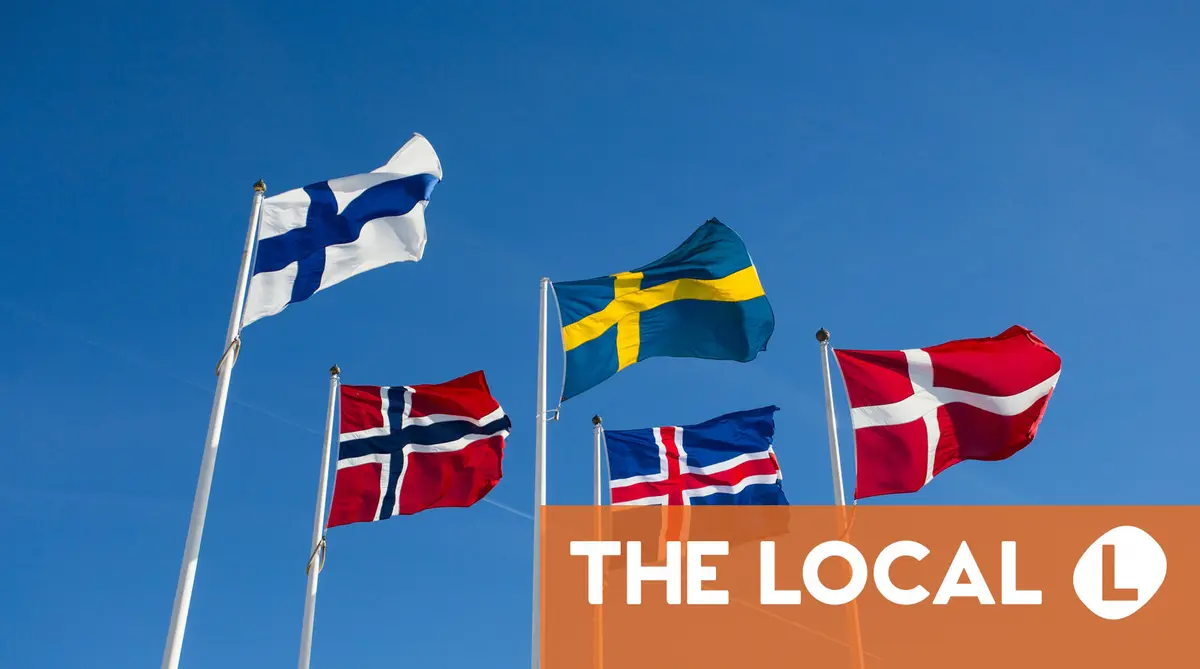
The Scandinavian Advantage: Decoding a Decade of Dominance in Global Competitiveness
Year after year, the Scandinavian nations – Sweden, Denmark, and Norway – consistently rank among the world’s most competitive economies. The 2025 Competitiveness Report by Eight International confirms this trend, placing all three within the global top five. But what’s the enduring secret to their success? It’s a question businesses, policymakers, and economists worldwide are constantly asking.
As a long-time observer of global economic trends, I can tell you it’s not a single factor, but a carefully constructed ecosystem built on balance, foresight, and a commitment to long-term prosperity. Let’s break down the key elements driving this remarkable performance.
Beyond GDP: Redefining National competitiveness
It’s crucial to understand how competitiveness is measured today. It’s no longer solely about raw economic growth. True competitiveness reflects a nation’s ability to:
* Innovate: attract investment and foster a dynamic business environment.
* Improve Lives: Provide equal opportunities and a high quality of life for all citizens.
* Build Resilience: Navigate uncertainty and adapt to evolving global challenges.
The Eight International report reflects this nuanced view, evaluating nations across four core dimensions: Economics, Society, Education, and Sustainability. This holistic approach reveals not just who is competitive, but how and why.
The Scandinavian Standouts: Small Nations, Outsized Impact
the success of Scandinavia is particularly striking considering their size. These countries represent just 1% of the global population,yet consistently outperform larger nations across the board.Joining them in the top tier are Switzerland (1st), Finland (4th), Ireland (6th), and the Netherlands (7th) – all relatively small, resource-conscious economies.
This size constraint, ironically, has become a strength. It forces a focus on efficient resource management and strategic prioritization. Their scores in areas like ‘society’ are nearly 40% higher than the global average, a testament to this focused approach.
The Pillars of Scandinavian Competitiveness
So, what specifically fuels this consistent success? Here are the key pillars:
1. Economic Strength with a Social Conscience:
Scandinavian nations don’t prioritize economic growth at the expense of social well-being. They achieve a powerful synergy between the two, consistently scoring well across all measured dimensions.
2.Sustainability as a Competitive Advantage:
Sweden leads the world in sustainability, with Norway and Denmark close behind. They’ve proactively embraced the green economy, positioning themselves as global leaders in the energy transition. This isn’t just about environmental responsibility; it’s a smart economic strategy attracting investment and talent.
3. Societal Cohesion & Trust:
This is arguably the most significant differentiator. Norway, Denmark, and Sweden consistently rank highest globally in:
* Trust: High levels of trust in institutions and fellow citizens.
* Political Stability: A predictable and stable political environment.
* Press Freedom: A free and independent media.
This strong social fabric fosters collaboration, innovation, and a long-term perspective.
4. Strategic Resource management:
Being smaller nations, they’ve mastered the art of maximizing limited resources through innovation and efficiency.
The Emerging Challenge: Education
While Scandinavian nations excel in most areas, there’s a growing concern: education.
* Sweden currently ranks 5th, but Denmark has fallen to 14th and Norway to 21st.
* international benchmarks like PISA indicate a decline in academic performance.
While human capital remains a cornerstone of their competitiveness, this trend requires urgent attention. investing in education and addressing this decline will be crucial to maintaining their future edge.
Looking Ahead: Maintaining the Momentum
The Scandinavian model isn’t without its challenges. Global economic shifts,geopolitical instability,and evolving technological landscapes require constant adaptation.However, their commitment to balance – economic growth, social growth, and environmental sustainability – provides a strong foundation for continued success.
Their story offers valuable lessons for nations worldwide: competitiveness isn’t just about economic indicators; it’s about building a resilient, equitable, and enduring future for all.
Disclaimer: I have been analyzing global economic trends for over two decades and this assessment is based on publicly available data from the Eight International Competitiveness Report and other reputable sources.