The Gilded Cage and empty Plates: A Stark Reflection of American Inequality
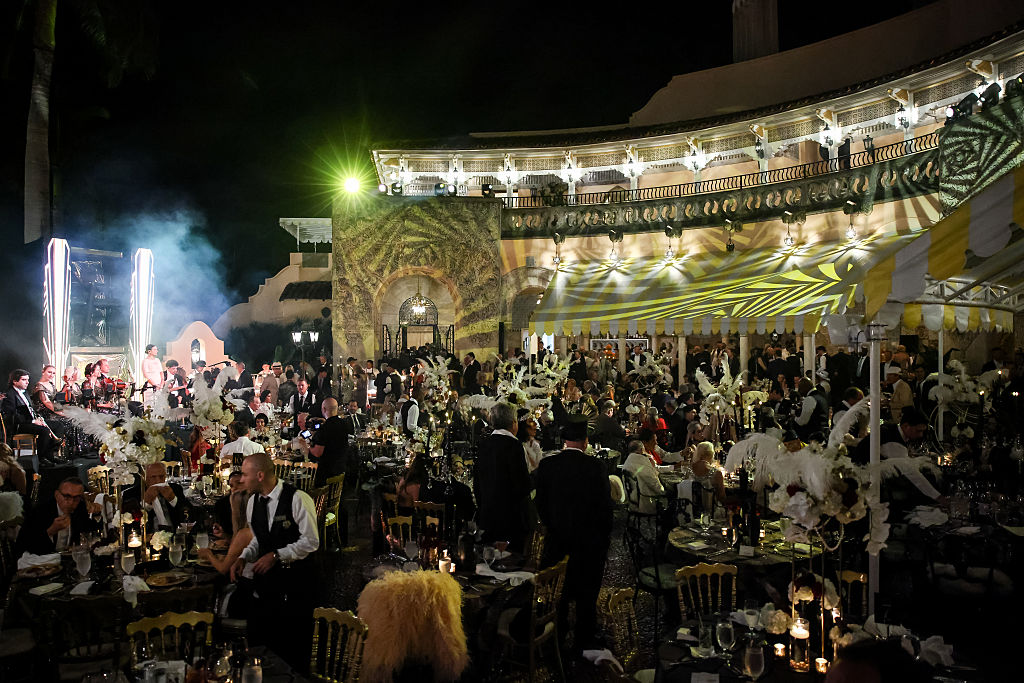
The recent lavish Halloween party,themed after F. Scott Fitzgerald‘s The Great Gatsby, inadvertently illuminated a deeply unsettling truth about our society. It wasn’t the spectacle itself, but the timing – the night before millions of Americans faced a cut to their SNAP (Supplemental Nutrition Assistance Program) benefits – that sparked a national conversation. This juxtaposition wasn’t lost on observers, and it’s a moment that demands a closer look at the widening gap between the haves and have-nots in the United States.
The images were striking: glittering costumes, overflowing tables, and carefree revelry. Simultaneously, families across the country were bracing for the reality of reduced grocery budgets, possibly facing empty shelves and difficult choices. This isn’t simply a matter of differing lifestyles; it’s a glaring illustration of how disconnected some segments of our population are from the daily struggles of others.
Echoes of Gatsby: Illusion and Disconnect
Fitzgerald’s novel, a cornerstone of American literature, serves as a potent metaphor for this situation. The Great Gatsby explores a world obsessed with appearances, where extravagant displays often mask a profound emptiness. The party in the novel, much like the recent event, was designed to dazzle, distract, and impress.
However,beneath the surface of glamour,a critical question arises: at what cost? The parallel to the SNAP benefit cuts is undeniable. while guests toasted with champagne, a vital lifeline for millions was quietly being diminished. This isn’t about criticizing celebration, but about acknowledging the context in which it occurred.
The Social Media Backlash and Growing Awareness
Social media quickly became a platform for voicing concerns and highlighting the stark contrast. Critics pointed to the widening chasm between the opulent celebration and the everyday necessities of life for many Americans. The conversation wasn’t simply about politics; it was about empathy, awareness, and the moral implications of such a visible disparity.
Here’s what’s at the heart of the matter:
* Food insecurity is a real and pressing issue. Millions of Americans rely on SNAP to put food on the table.
* Benefit cuts disproportionately impact vulnerable populations. Families with children, seniors, and individuals with disabilities are notably affected.
* The timing sent a damaging message. It suggested a lack of awareness, or worse, a disregard for the struggles of those less fortunate.
Beyond the Headlines: A Deeper examination
this incident isn’t isolated. It’s symptomatic of a larger trend: a growing concentration of wealth and a widening gap in prospect. you might be wondering what this means for the future. It means we need to have honest conversations about economic inequality and its consequences.
Consider these points:
* The American Dream feels increasingly out of reach for many. Rising costs of living, stagnant wages, and limited access to education and healthcare create significant barriers to upward mobility.
* Social safety nets are crucial. Programs like SNAP provide a vital buffer against poverty and hardship.
* Empathy and understanding are essential. Recognizing the struggles of others is the first step toward building a more just and equitable society.
Ultimately, the party served as a stark reminder that reality often intrudes upon even the most carefully constructed illusions. Just as in Fitzgerald’s world, a world built on spectacle can’t erase the real-world consequences faced by those left behind. It’s a cautionary tale about excess, disconnection, and the enduring need for compassion and social responsibility.
It’s time we move beyond the glittering facade and address the underlying issues that create such profound disparities in our society. Your voice, your awareness, and your commitment to change can make a difference.