Deadly Landslides Devastate communities in Kenya and Uganda, Raising Concerns Over Recurring Disaster
Recent torrential rainfall has triggered devastating landslides in the Grate Rift Valley region spanning Kenya and uganda, resulting in significant loss of life and widespread displacement. The disaster underscores the vulnerability of communities in this region to climate-related hazards and highlights the urgent need for preventative measures.
The Scale of the Tragedy
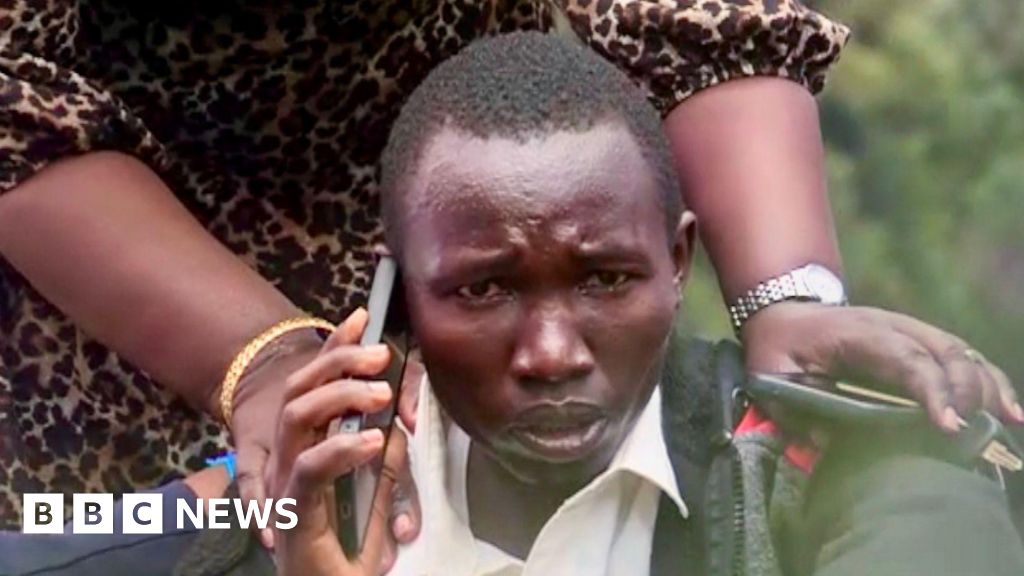
The impact is heartbreaking. Felix Kemboi, a resident on the Kenyan side, tragically lost his grandmother, a maternal aunt, an uncle, two sisters, a family friend, and a cousin – all who were staying together in Kaptul village. He was so distressed he struggled to articulate the experience.
Across both countries, many individuals remain missing, prompting extensive search and rescue operations. Authorities are bracing for the possibility of further landslides as the heavy rains persist.
Kenya Grapples with Loss,Especially Among Students
Kenyan Interior Minister Kipchumba Murkomen warns that the risk of landslides is heightened,particularly along the Kerio Valley region.He urges residents in affected areas to remain vigilant for earth movements and confirms local authorities are evacuating those at risk to safer ground.
Tragically, fourteen schoolchildren were among the dozens of Kenyans killed when mudslides struck.The country’s education ministry is deeply affected by this loss.
Uganda Faces Widespread Destruction and Desperate Searches
Survivors in eastern Uganda are sharing harrowing accounts of the disaster. Helda narunga Masai recounts a terrifying night: “We were sleeping at night, we [heard] a huge sound. The neighbours came running. ’You wake up’. The mountain is coming. My niece and brother died.” Her home in Kween village was completely destroyed, and she is now relying on the kindness of neighbors for shelter.
Further up the road in Kapchorwa,a family suffered the loss of three children and a woman. Uganda Red Cross workers report at least 18 confirmed deaths in eastern Uganda, with 20 peopel still unaccounted for across Kapchorwa, Bukwo, and Kween districts.
Local leader Mande David Kapcheronge describes the challenging recovery efforts, noting that rescue teams are relying on basic tools to excavate through massive amounts of mud.
A History of Landslide Risk and the Need for Enduring Solutions
Experts have long warned against building homes in landslide-prone areas of both Uganda and Kenya. This latest disaster serves as a stark reminder of the dangers.
The region has a tragic history of similar events. In 2010, a devastating landslide in Bududa, Uganda, claimed approximately 300 lives, marking it as one of the country’s worst natural disasters.
Government Response and Support for affected Communities
The ugandan government is providing financial assistance to bereaved families, offering 5 million shillings ($1,300; £1,000) per family. Survivors will receive 1 million shillings each. Currently, the Kenyan government has not announced any compensation plans.
Though, search missions in Uganda are being hampered by mudslides that have rendered some roads impassable. This is slowing down rescue efforts and hindering the delivery of aid.
What You can Do
If you are in an affected area, heed the warnings of local authorities and evacuate instantly if instructed. Stay informed about weather updates and potential landslide risks.
For those wanting to help, consider donating to reputable organizations providing relief efforts on the ground, such as the Uganda Red Cross or other established humanitarian aid groups.
Looking Ahead: Preventing Future Tragedies
this disaster demands a comprehensive approach to disaster risk reduction. This includes:
* Relocation: Supporting the relocation of communities from high-risk zones.
* Infrastructure Investment: Investing in improved infrastructure, including drainage systems and slope stabilization measures.
* Early Warning Systems: Strengthening early warning systems to provide timely alerts to vulnerable populations.
* Sustainable Land Use Planning: Implementing sustainable land use planning practices to prevent construction in hazardous areas.
* Community Education: educating communities about landslide risks and preparedness measures.
The landslides in Kenya and Uganda are a devastating reminder of the power of nature and the importance of proactive disaster preparedness. By learning from this tragedy and investing in long-term solutions, we can
Worth a look
- New Poll: Surprising Shift in Russian Public Opinion Toward Putin
- Who is Bianca Ingrosso Dating? Star on Romantic Vacation With Mystery Man
- Phoenix Fire Warns of Longer Mountain Rescue Times Due to Extreme Heat (archynewsy.com)
- Lebanese President Condemns Israeli Bombings as Threat to Diplomatic Efforts (world-today-news.com)