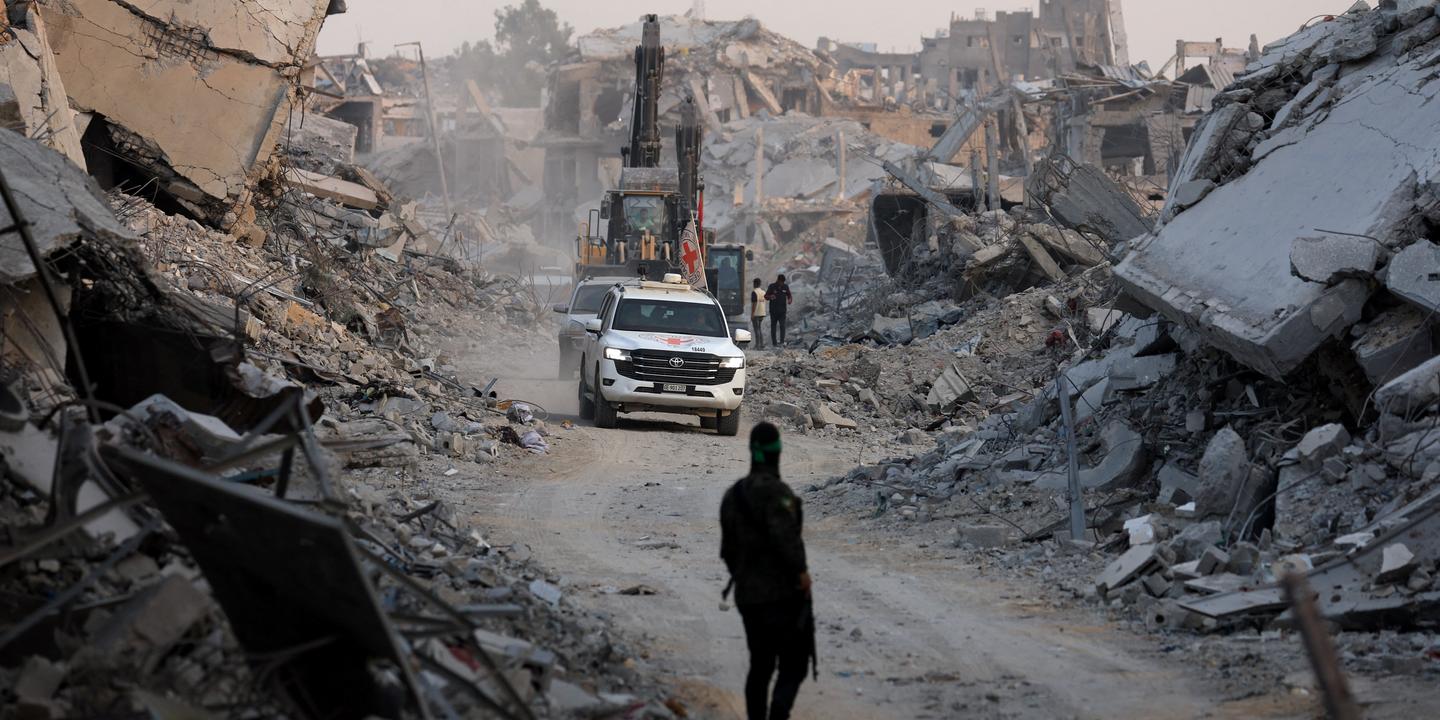
A New Vision for Gaza: International Security Force and Reconstruction Plans Emerge
A thorough plan for post-conflict Gaza is taking shape, centered around an international stabilization force and a phased reconstruction effort.this initiative, stemming from previous diplomatic efforts, aims to address teh immediate security needs of the region while laying the groundwork for long-term stability and Palestinian self-governance. Let’s break down the key components of this evolving proposal.
The Proposed Stabilization Force
At the heart of the plan lies a multinational force,primarily composed of troops from Arab and Muslim nations. This force would deploy gradually as Israeli forces withdraw from Gaza, assuming responsibility for maintaining security and facilitating humanitarian aid. Specifically, their core missions would include:
* Securing Gaza’s borders with both Israel and Egypt.
* Protecting civilians and ensuring safe passage for humanitarian corridors.
* Training and developing a new Palestinian police force.
Crucially, the force’s operations would be conducted in close coordination with both Egypt and Israel, fostering a collaborative security habitat. It would operate under a unified command structure, approved by a newly formed “Council of Peace.”
governance and Reconstruction: A Transitional Approach
Beyond security, the plan envisions a transitional governance structure to oversee the rebuilding of Gaza. The Council of Peace,intended to be led by key international stakeholders,would function as a temporary administrative body.
Here’s how the reconstruction process is envisioned:
- defining Priorities: The Council would establish clear priorities for rebuilding Gaza’s infrastructure and economy.
- Fundraising: It would actively seek and manage international funding for reconstruction projects.
- Palestinian Authority Reform: Reconstruction efforts would be contingent on the Palestinian Authority demonstrating considerable progress on internal reforms.
- Council Approval: All reconstruction plans would require the approval of the Council of Peace, ensuring accountability and alignment with long-term goals.
This phased approach aims to empower the Palestinian Authority while ensuring responsible and effective use of resources.
Dismantling Hamas’s Military Capabilities
A critical component of the plan focuses on the demilitarization of Hamas. The international force would be tasked with overseeing this process, even if it requires forceful intervention.
The objectives are clear:
* Destroying existing military infrastructure used by Hamas.
* Preventing the rebuilding of such infrastructure.
* Dismantling the weapons stockpiles of all non-state armed groups within Gaza.
This effort is designed to stabilize the security environment and prevent future conflicts. You can understand why this is a central concern for regional stability.
Looking Ahead: A Timeline and Potential Extensions
Currently, the proposed mandate for this international force extends thru the end of 2027. Though, the plan includes provisions for potential extensions, subject to the approval of participating nations and the evolving security situation on the ground.
This flexibility is essential, allowing the international community to adapt to changing circumstances and ensure a sustained commitment to Gaza’s long-term stability. Ultimately, the success of this plan hinges on collaboration, commitment, and a shared vision for a peaceful and prosperous future for Gaza and the wider region. It’s a complex undertaking, but one that offers a potential pathway towards lasting peace.
Keep reading