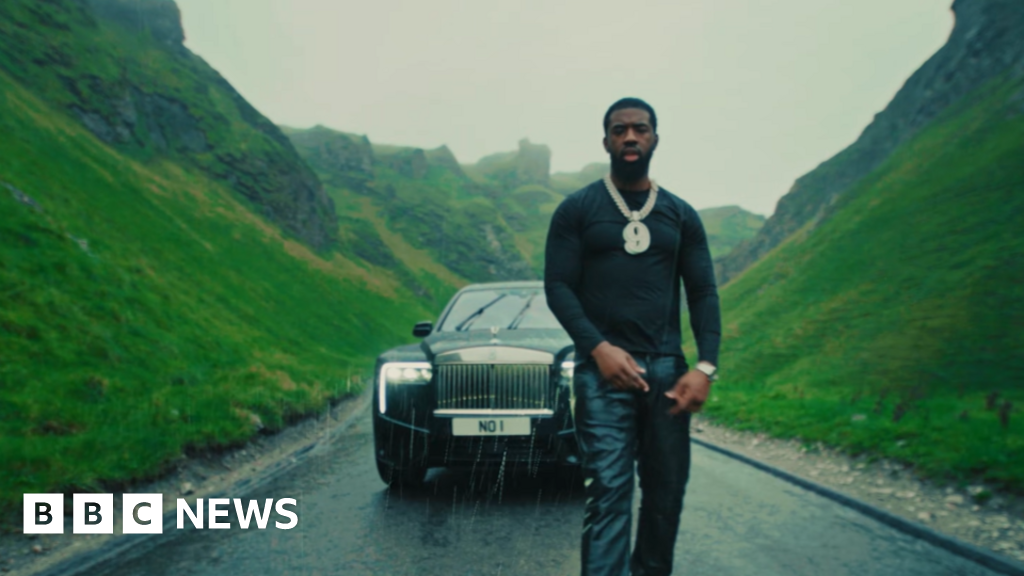
Tion Wayne and Winnats Pass: Examining the Intersection of Music, Location, and Public Disruption
The recent incident involving UK rapper Tion Wayne blocking Winnats Pass in the Peak District while filming a music video has sparked debate about artistic expression, public access, and responsible filming practices. This picturesque route, famed for its dramatic limestone scenery, became an unexpected backdrop for Wayne’s latest project, “Streets a lie.” But what exactly happened, and what dose this event reveal about the evolving relationship between artists, iconic locations, and the public? This article delves into the details, explores the wider implications, and offers a balanced perspective on this increasingly common scenario.
The Incident at Winnats Pass: A Timeline
On October 19th, Derbyshire Police received reports of vehicles obstructing Winnats Pass near Castleton. The disruption stemmed from a music video shoot featuring Tion Wayne and a luxury rolls-Royce Cullinan. Wayne himself acknowledged the situation on TikTok, stating he “locked off Peak District till the Feds came.” Police swiftly attended the scene and cleared the road, restoring access for the public.
Did You Know? Winnats Pass is the highest paved road in Derbyshire,reaching an elevation of 458 meters (1,503 feet). Its unique geological formations make it a popular destination for walkers, cyclists, and photographers.
The incident quickly gained traction online,fueled by social media posts from both Wayne and onlookers. Videos showcasing the filming setup, including an orange Lamborghini spotted at a nearby caravan park, went viral, garnering millions of views. Wayne playfully captioned one post, ”Winnats pass Gave Us A Pass.”
Who is Tion Wayne and Why Does This Matter?
Tion wayne, born Dennis Junior Odunwo, is a prominent figure in the UK rap and UK drill scene. He rose to prominence with hit singles like “Keisha & Becky” (with Russ Millions) and “Body” (also with Russ Millions), the latter winning the MOBO Award for Song of the Year in 2021. His music consistently charts high, and he boasts a critically important following across social media platforms.
This incident isn’t simply about a road being blocked; it highlights a growing trend of artists utilizing visually striking locations for music videos. The Peak district National Park, a protected landscape, is particularly vulnerable to such disruptions. The question becomes: how do we balance artistic freedom with the preservation of natural beauty and public access?
Legal and Ethical Considerations of Filming in Public spaces
Filming in public spaces,while generally permitted,isn’t without its limitations. Local authorities frequently enough require permits for commercial filming, especially when it involves road closures or potential disruption. These permits ensure that filming activities are conducted safely and with minimal impact on the surrounding habitat and community.
Pro Tip: If you’re planning a commercial shoot in a public space, always contact the local council and relevant authorities well in advance to obtain the necessary permits and permissions. Failure to do so can result in fines and legal repercussions.
The lack of apparent permits in the Winnats Pass incident raises questions about adherence to these regulations.Beyond legal requirements, there’s an ethical dimension. Blocking a public road, even temporarily, inconveniences residents, tourists, and emergency services.The potential for safety hazards also exists.
The Impact on the Peak District National Park
The Peak District National Park Authority is responsible for protecting and conserving this unique landscape. Uncontrolled filming activities can lead to several negative consequences:
* environmental Damage: Vehicles driving off-road or damaging vegetation.
* Traffic Congestion: Disrupting traffic flow and causing delays.
* Disturbance to Wildlife: Noise and activity impacting local fauna.
* Erosion: Increased foot traffic and vehicle use contributing to soil erosion.
The Authority has guidelines for filming within the park, emphasizing the need for responsible practices and minimizing environmental impact. This incident serves as a reminder of the importance of enforcing these guidelines and ensuring that artists respect the natural environment.
Comparing Approaches: Filming Permits & Location Management
| Feature | Filming with Permit | filming Without Permit |
|---|
Related reading