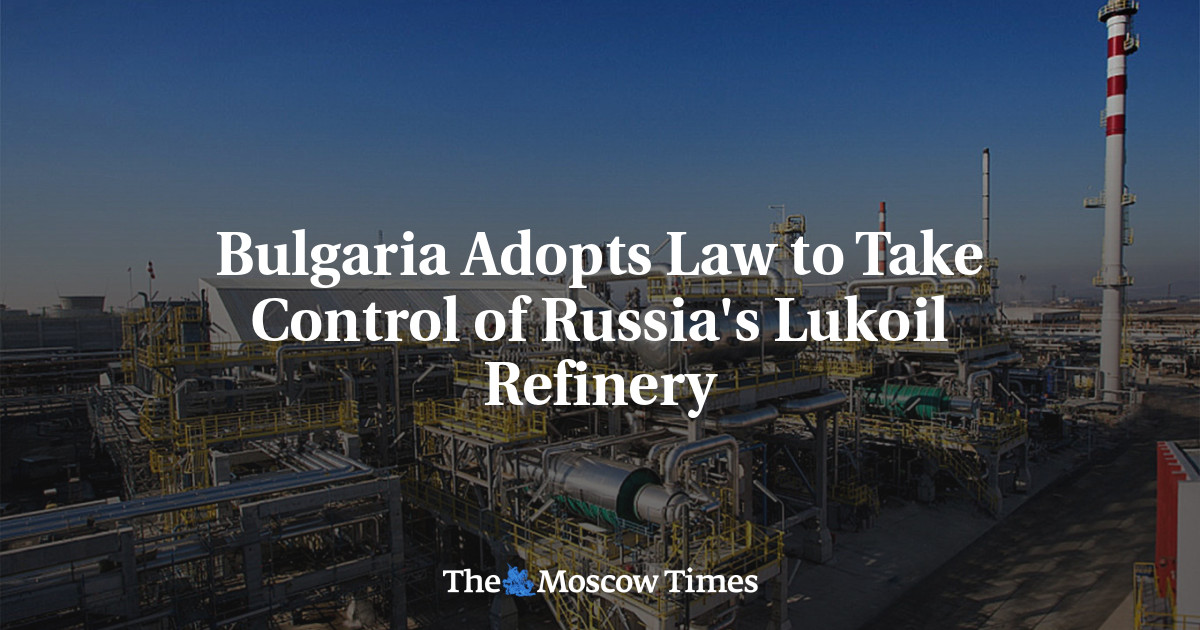
Bulgaria Takes Control of Lukoil Refinery Amidst US Sanctions: A Deep Dive
Bulgaria’s parliament has swiftly enacted legislation placing the Neftochim refinery, owned by Russian oil giant Lukoil, under state control.This decisive move follows recent U.S. sanctions targeting Russia’s largest oil producers, Rosneft and Lukoil, in response to the ongoing conflict in Ukraine. The implications of this action are far-reaching, impacting Bulgaria’s energy security, economic landscape, and international relations.
Why the Urgent Action?
The U.S. sanctions, set to take effect on November 21st, pose a notable threat to the refinery’s operations. The core issue? The anticipated refusal of financial institutions to process payments to Lukoil-affiliated entities. Bulgarian lawmakers determined that without intervention, the Neftochim plant – the largest oil refinery in the Balkans – faced imminent shutdown. This outcome was deemed unacceptable given its critical role in the nation’s economy.
lukoil has operated the Neftochim refinery in Burgas since 1999, and it currently stands as Bulgaria’s largest company. The speed with which the legislation was passed underscores the gravity of the situation and the government’s commitment to mitigating potential disruptions.
How Will State Control Work?
The new legislation introduces a special administrator who will temporarily exercise the voting rights of the shareholders. This administrator isn’t simply a caretaker; they are empowered to seek a new owner for the refinery shares, subject to government approval.This process aims to ensure a smooth transition and prevent a complete operational halt.
Though, the move isn’t without its critics. Opposition lawmakers have voiced concerns about the rushed nature of the legislation and the potential for legal challenges stemming from the administrator’s power to sell shares.
Potential Risks and Legal Considerations
Energy governance and security expert Ruslan Stefanov from the Centre for the Study of Democracy acknowledges the step is in the right direction but cautions it’s “risky.” He highlights the potential for Lukoil to pursue legal action against the Bulgarian state, possibly seeking considerable compensation. The possibility of outright nationalization, while understandable given the desire for greater control, could further complicate matters and weaken the effectiveness of the sanctions.
Safeguarding Fuel Supplies: Export Restrictions
In a proactive move to bolster energy security, Bulgarian lawmakers also implemented temporary restrictions on petroleum product exports. This includes exports to other EU member states. The ban isn’t absolute; exceptions are in place for refueling vessels and aircraft, as well as supplies to NATO and EU armed forces operating under the bloc’s security and defense policies. This measure aims to guarantee sufficient fuel supplies for the domestic market during this period of transition.
The Economic Importance of Neftochim
The Neftochim refinery is a cornerstone of the Bulgarian economy. In 2024,the company reported a turnover of approximately €4.7 billion ($5.4 billion). Beyond refining capacity, Lukoil-Neftochim boasts a near-monopoly on the Bulgarian fuel distribution market, controlling a vast network of oil depots, petrol stations, and suppliers for maritime and aviation industries. Its continued operation is therefore vital for maintaining economic stability.
Evergreen Insights: The Broader Context of Energy Security in Eastern europe
The situation in Bulgaria reflects a wider trend in Eastern Europe: a growing need to diversify energy sources and reduce reliance on Russian fossil fuels. The war in ukraine has dramatically accelerated this process, forcing nations to reassess their energy strategies and prioritize security of supply. This case highlights the complex interplay between geopolitical events, economic interests, and national sovereignty in the energy sector. Expect to see further legislative action and strategic partnerships across the region as countries strive for greater energy independence.
Frequently Asked Questions (FAQ)
1. What are the primary reasons for Bulgaria taking control of the Lukoil refinery?
bulgaria is taking control to prevent the refinery’s shutdown due to U.S. sanctions against Lukoil, ensuring continued fuel supplies and protecting the nation’s economic interests.
2. How will the special administrator impact the refinery’s operations?
The administrator will temporarily manage shareholder rights and actively seek a new owner for the refinery shares, with government oversight.
3. What is the potential downside of this move for Bulgaria?
There’s a risk of legal challenges from Lukoil seeking compensation, potentially weakening the impact of the sanctions and incurring significant costs for the bulgarian state.
4. What do the export restrictions on petroleum products aim to achieve?
These restrictions are designed to guarantee sufficient fuel supplies