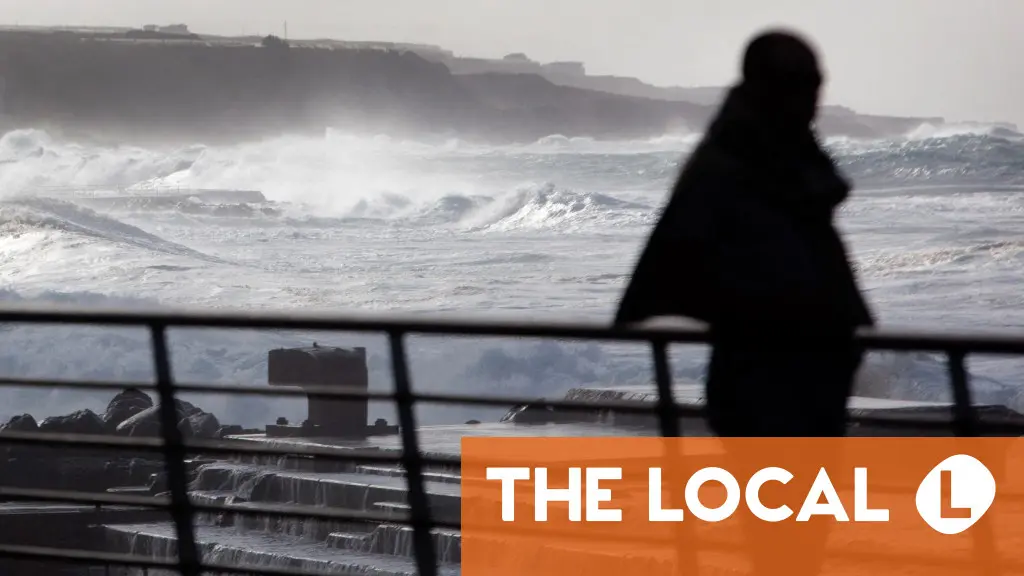
Tenerife Coastal Hazards: A Deep Dive into Recent Tragedies and Staying Safe in 2025
Last Updated: November 9, 2025, 18:36:42 PST
The gorgeous island of Tenerife, a jewel of the Canary islands, is currently grappling with hazardous coastal conditions. A tragic weekend, November 8-9, 2025, saw three fatalities linked to unexpectedly powerful waves, highlighting the critical need for awareness and preparedness when enjoying Tenerife’s coastline. This article provides a comprehensive overview of the recent incidents, the underlying meteorological factors, safety guidelines, and resources for staying informed about coastal safety in Tenerife. We’ll explore not just the immediate dangers, but also the long-term trends impacting coastal risk and how to mitigate them.
understanding the Recent Events (November 2025)
The recent tragedies underscore the unpredictable nature of the ocean. On Saturday, November 9th, 2025, emergency services responded to three separate incidents. A man was airlifted from La guancha beach after falling into the water,but sadly passed away en route to the hospital. Concurrently, a man was discovered unresponsive at El Cabezo beach, despite extensive resuscitation efforts.
Perhaps the most dramatic incident occurred at the Puerto de la Cruz pier, were a rogue wave swept ten people into the sea. While most were rescued by quick-thinking police and bystanders, a woman tragically suffered a fatal heart attack. Three others sustained serious injuries and are currently receiving medical care. These events have prompted a heightened state of alert across the Canary Islands regarding coastal hazards.
did You Know? The Canary Islands are notably vulnerable to swells generated by storms in the North Atlantic, even when those storms are hundreds of miles away. This is due to the islands’ geographic location and the unobstructed fetch of the ocean.
Meteorological Factors & Increasing Coastal risk
The current situation isn’t isolated. Recent years have seen an increase in the frequency and intensity of extreme weather events globally,and the Canary Islands are not immune. Several factors contribute to the heightened risk:
* Atlantic Storms: The North Atlantic is experiencing increased storm activity, generating larger and more powerful swells that travel towards the Canary Islands. Data from the European Center for Medium-Range Weather Forecasts (ECMWF) shows a 15% increase in important wave height events impacting the region in the last five years (October 2020 – October 2025).
* Climate Change: Rising sea levels, while a gradual process, exacerbate the impact of waves, increasing the risk of inundation and erosion.A 2024 report by the Spanish Ministry for Ecological Transition and Demographic Challenge projects a sea level rise of 0.3-0.6 meters by 2050, further increasing coastal vulnerability.
* Local Topography: Tenerife’s rugged coastline, with its cliffs, piers, and exposed beaches, creates localized conditions that can amplify wave energy and generate dangerous currents.
* El Niño-Southern Oscillation (ENSO): The current El niño pattern (as of late 2025) is contributing to altered weather patterns in the Atlantic, potentially increasing storm intensity and frequency.
Pro Tip: Always check multiple weather sources before heading to the coast. Don’t rely on a single forecast. Look for specific warnings about wave height, swell direction, and potential for rip currents.
Staying Safe: A Practical Guide to Tenerife Coastal Safety
Protecting yourself and your loved ones requires vigilance and adherence to safety guidelines.Here’s a breakdown of essential precautions:
* Heed Warnings: Pay close attention to flags on beaches. Red flags indicate a complete ban on swimming, while yellow flags signify caution. Local authorities issue alerts via radio, television, and social media.
* Observe the Sea: Before entering the water, take time to observe the waves and currents. Look for signs of rip currents – channels of water moving away from the shore,often appearing calmer than surrounding areas.
* Avoid Piers and Rocky Outcrops: These areas are particularly dangerous during rough seas, as waves can overtop them unexpectedly. The Puerto de la Cruz incident serves as a stark reminder of this risk.
* Never Swim alone: Always swim with a buddy.
* Wear Appropriate Footwear:
Related reading