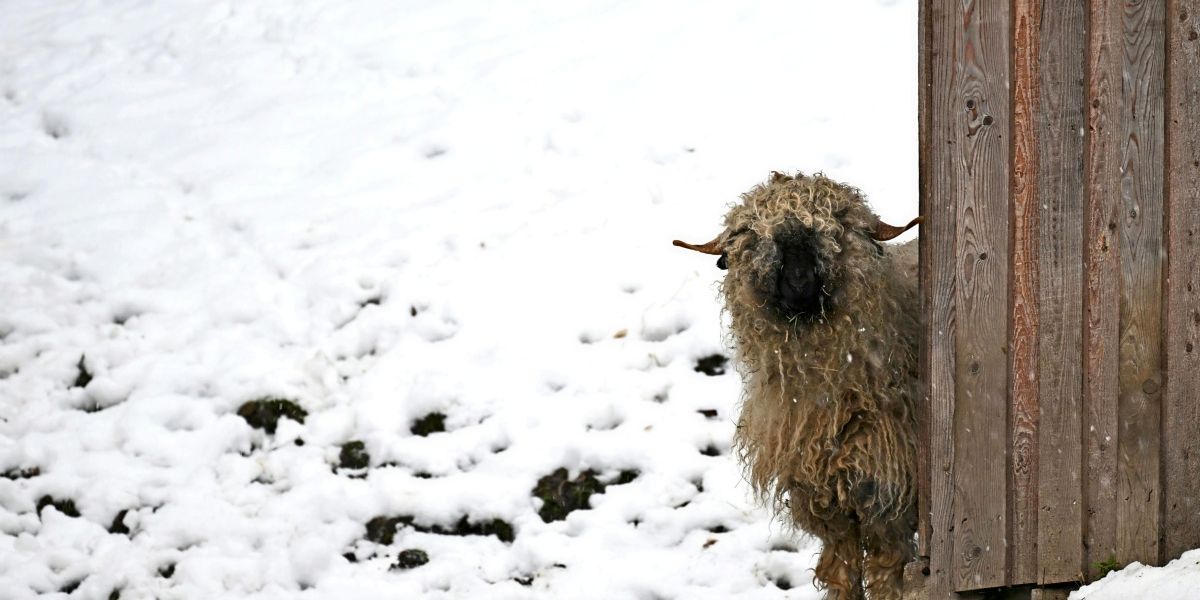
A lightning strike in the Swiss Alps resulted in the deaths of 97 sheep during a severe thunderstorm, according to reports from local authorities in the canton of Valais. The incident occurred in a high-altitude pasture, highlighting the persistent risks extreme weather poses to livestock grazing in mountainous terrain. While such events are rare in terms of scale, they remain a documented hazard for alpine agriculture.
The incident took place in the region of Valais, a mountainous canton in southwestern Switzerland known for its extensive summer grazing practices. According to the Cantonal authorities of Valais, the animals were huddled together during the storm when the lightning discharge struck the flock. The high concentration of animals in a small area during electrical storms significantly increases the mortality risk, as the electrical current can travel through the ground or the animals themselves.
Mass livestock deaths from lightning are statistically uncommon but historically consistent with the geography of the Swiss Alps. Similar incidents have been recorded in the past across European mountain ranges, where livestock are frequently exposed to rapid shifts in weather patterns. The Federal Office of Meteorology and Climatology (MeteoSwiss) tracks these severe weather systems, which often develop quickly over the peaks, leaving little time for shepherds to relocate herds to sheltered areas.
Impact on Alpine Agriculture and Livestock Management
The loss of 97 sheep represents a significant economic and operational blow to the affected farmers. In Switzerland, alpine farming is heavily regulated, and livestock are often insured against natural hazards. The Federal Food Safety and Veterinary Office (FSVO) provides frameworks for animal welfare, though protecting animals from sudden atmospheric phenomena remains a challenge for farmers operating in remote, high-altitude pastures.
Beyond the immediate financial loss, the incident underscores the vulnerability of traditional transhumance—the seasonal movement of livestock. As climate patterns become more volatile, agricultural experts are increasingly evaluating how to mitigate risks for herds grazing on exposed ridges. Current practices generally rely on monitoring weather alerts, but the speed at which lightning develops in alpine valleys often limits the effectiveness of these warnings.
Meteorological Context of the Swiss Alps
The Swiss Alps are particularly prone to intense electrical activity during the summer months. According to MeteoSwiss data, the combination of complex topography and thermal heating creates ideal conditions for convective storms. These storms can produce high-frequency lightning strikes, which are dangerous for both hikers and livestock.
Agricultural organizations in the region often advise farmers to observe specific safety protocols, such as avoiding areas known to be strike-prone during active weather warnings. However, the sheer scale of the terrain makes constant supervision of large flocks difficult. The 97 sheep were reportedly found by the farmer shortly after the storm subsided, according to local reports from the Valais region.
Next Steps and Official Oversight
Local agricultural officials in Valais are currently managing the disposal and documentation of the incident, which is required for insurance processing and sanitary regulations. There is no ongoing investigation into criminal negligence, as the event is classified as an act of nature. Farmers in the area are expected to continue their seasonal operations, though the incident serves as a stark reminder of the environmental challenges inherent to high-altitude animal husbandry.
Readers interested in the ongoing monitoring of weather-related agricultural impacts can follow updates from the Swiss Farmers’ Union, which occasionally publishes reports on the intersection of climate change and alpine farming practices. Please share your thoughts or experiences with regional livestock management in the comments section below.
Related reading