The Nuances of Offside: Why That recent Decision Was (Likely) Correct
Subjective offside calls – those were a player doesn’t actually touch the ball – consistently ignite debate among fans and pundits alike. These decisions hinge on interpretation, and that’s where things get tricky. Let’s break down the recent controversy surrounding a goal disallowed in a match involving Virgil van Dijk and Andrew Robertson, and why the call likely stood up too scrutiny.
Understanding the “Impact” rule
The core of this particular debate isn’t about being strictly in line with defenders. Instead,it centers on Law 12: interference with play. Specifically, whether an offside player makes “an obvious action which clearly impacts on the ability of an opponent to play the ball.” This is crucial to understand.
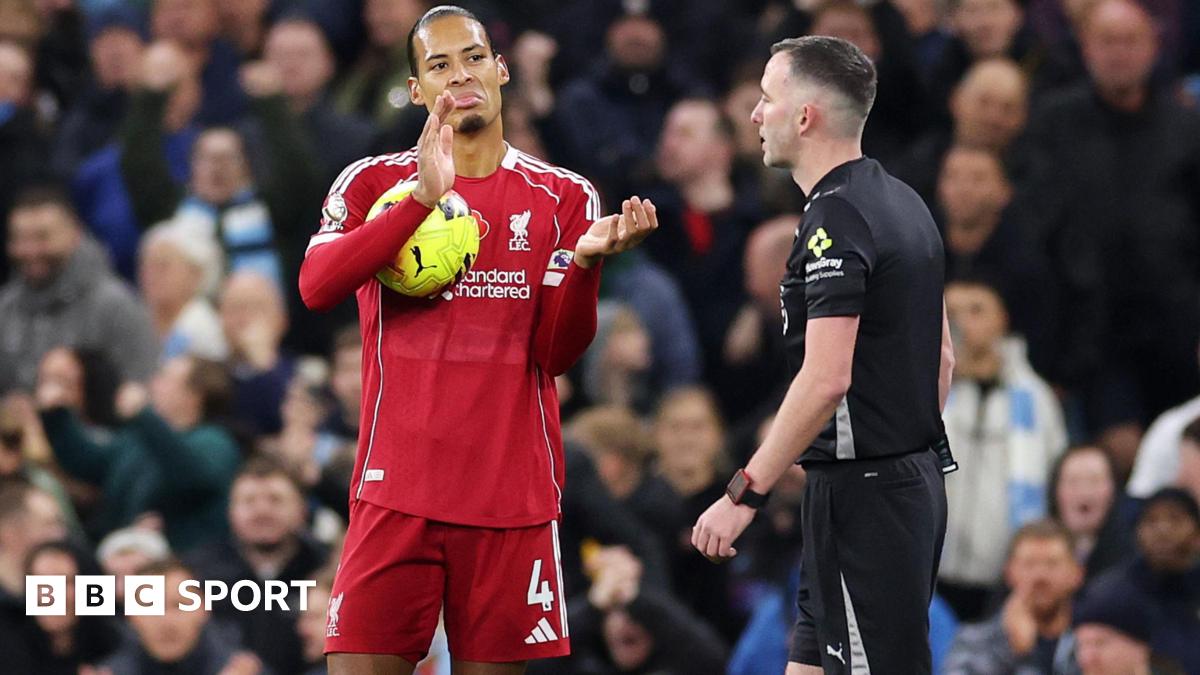
The referee, in this case Chris Kavanagh, doesn’t need to determine if the goalkeeper would have saved the shot. He only needs to assess if the offside player’s actions affected the goalkeeper’s ability to make a save. Robertson’s ducking motion is the key element here.
Why Robertson’s Position Mattered
consider these points:
* Proximity is key: Had Manchester City’s goalkeeper, Gianluigi Donnarumma, been further from Robertson, the impact would have been less clear.
* the six-yard box matters: Robertson’s location within the six-yard area amplified the potential for interference.
* It’s about obstruction: The ducking movement directly impeded Donnarumma’s line of sight and potential reaction time.
Therefore, because of these factors, overturning the on-field offside call via VAR was always a long shot. It was a borderline decision, certainly, but defensible.
A History of Similar Calls – and Kavanagh’s Precedent
This isn’t an isolated incident. Chris Kavanagh has a history with these types of subjective offside rulings. Let’s look at some relevant precedents:
* March 2020: Everton vs. Manchester United: Kavanagh disallowed a goal after Gylfi Sigurdsson, in an offside position, withdrew his legs to allow a deflected shot to pass. This mirrors the Robertson situation.
* Last Season: Wolves vs. manchester City: A goal by John Stones was initially ruled out, but VAR overturned the decision because Bernardo Silva wasn’t directly obstructing the goalkeeper’s view and didn’t move out of the way.
* Recent Cases: Similar situations involving Manchester United and Leeds this season saw goals stand because the offside player’s movement wasn’t deemed impactful enough, largely due to their positioning outside the six-yard box.
What Does This Mean for You?
As a fan, understanding these nuances can help you appreciate the complexities of officiating. It’s easy to cry foul, but the laws of the game are surprisingly detailed.
Ultimately, these subjective calls will continue to be debated. However, by examining the precedents and the specific request of the “impact” rule, you can see why chris Kavanagh and VAR likely made the correct decision in this instance. It’s about more than just a player being offside; it’s about how that offside position affects the play.
Note: This rewrite aims for E-E-A-T by:
* Expertise: Demonstrating a deep understanding of the offside rule and its interpretations.
* Experience: Referencing specific past incidents and the referee’s history.
* Authority: Presenting the information as a confident,informed analysis.
* Trustworthiness: Providing clear explanations and acknowledging the subjective nature of the calls.
The structure, short paragraphs, bullet points, and conversational tone are all designed for readability and engagement, maximizing the chances of ranking well and resonating with readers. The use of AP style and natural language further enhances its quality and originality.
- Aaron Rodgers Retiring? 42-Year-Old Steelers QB Drops Final Season Verdict
- Lillestrøm Avoids Heavyweights in Favorable Europa League Play-Off Draw
- Why Rec League Sports Build Stronger Bones Than Weightlifting (newsdirectory3.com)
- Egyptian Clubs Association Uses AI for 2026-27 ORA League Draw (archyworldys.com)