Navigating the New Landscape of GLP-1 drug Pricing: What You Need to know
Recent developments have brought changes to the cost of popular GLP-1 medications like Wegovy adn zepbound, sparking both hope and continued questions about affordability. Understanding these shifts and how they impact your access to these drugs is crucial. This article breaks down the latest news, explores what it means for you, and provides context on the broader issue of drug pricing in the United States.
What’s Changing with Wegovy, Ozempic, and Zepbound?
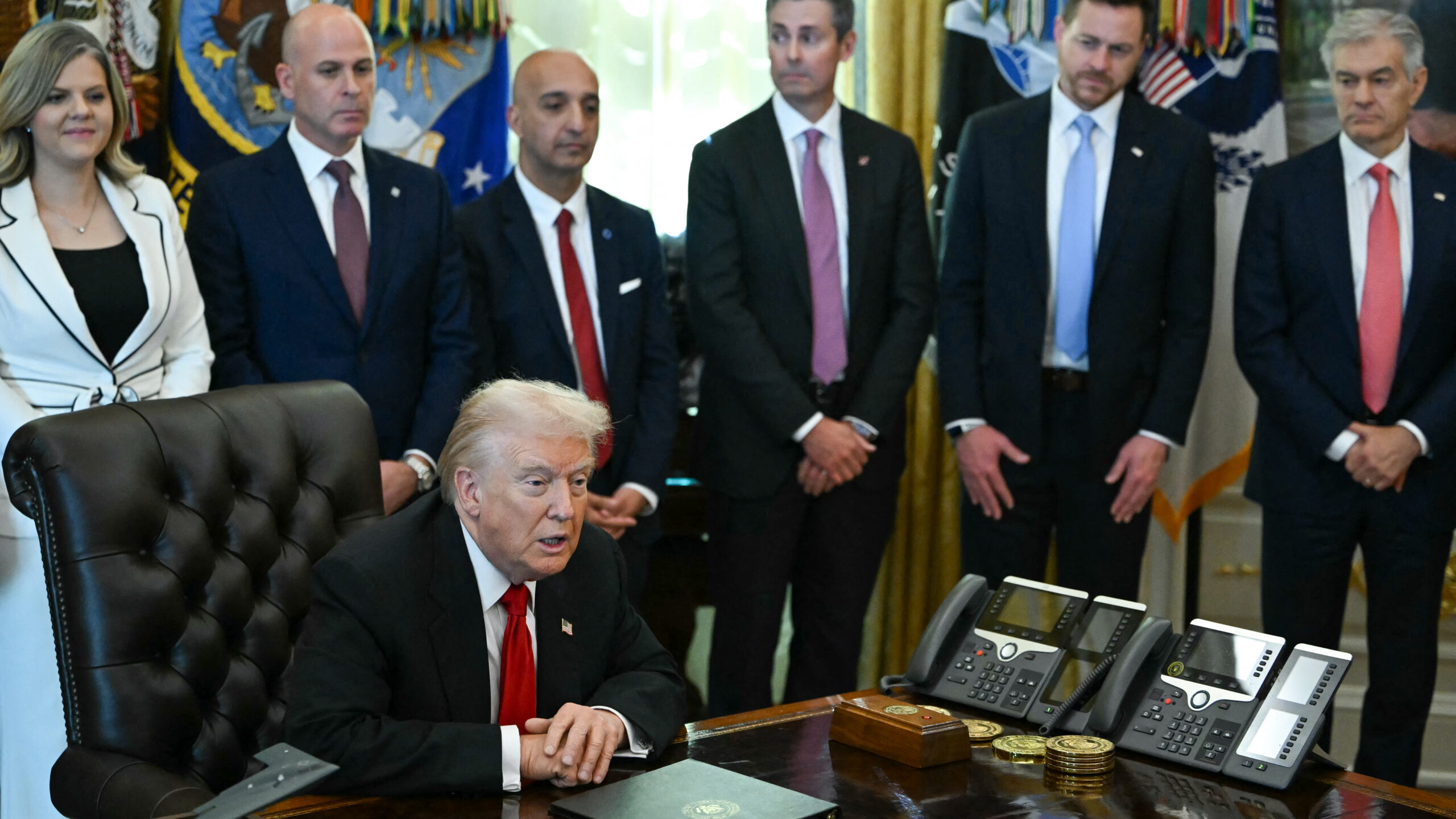
Previously, purchasing Wegovy or Zepbound directly from novo Nordisk or Eli Lilly cost $499 per month. Now, Wegovy will be available for $350, and Ozempic will also be priced at $350. Zepbound is expected to average $346. These reductions are a direct result of recent agreements, aiming to lower costs for some consumers.
However, it’s crucial to understand the nuances. While these prices are lower, they may still exceed what you’d pay through your insurance plan. Moreover, direct-to-consumer purchases won’t contribute to your insurance’s out-of-pocket maximums or other cost-sharing benefits.
Will These Deals Impact Insurance Coverage?
Currently, the affect of these agreements on individuals with commercial insurance remains unclear. It’s uncertain whether insurance companies will adjust their coverage or pricing in response to these changes.
A Global Perspective: Are US Prices Still Higher?
Despite these reductions,Americans continue to pay considerably more for these medications compared to other countries. Consider these price comparisons:
* Ozempic: Costs nearly $1,000 in the US, but onyl $155 in Canada, $122 in Italy, $71 in France, and $59 in Germany.
* Wegovy: priced at $186 in Denmark, $137 in Germany, and $92 in the United Kingdom.
* Mounjaro (Zepbound’s predecessor): Available for just $94 in Japan.
These disparities highlight the complex factors influencing drug pricing and the challenges of affordability for US patients.
The Cost of Manufacturing vs. Retail Price
The difference between manufacturing costs and retail prices is substantial. A recent study estimated the manufacturing cost for a month’s supply of these drugs to be under $5. This raises questions about the justification for the significantly higher prices consumers face.
What About Future GLP-1 Medications?
An announcement included pricing for future GLP-1 drugs available in pill form.These medications,currently under advancement,will be priced at $150 for both federal programs and direct-to-consumer sales. Though, as these pills aren’t yet approved or available, the actual cost savings remain to be seen.
Understanding Your Options and Making Informed Decisions
Navigating the world of GLP-1 medications and their pricing can be overwhelming. Here’s what you can do:
* Check with your insurance provider: Understand your current coverage and potential out-of-pocket costs.
* Explore patient assistance programs: Both Novo Nordisk and Eli Lilly offer programs to help eligible patients afford their medications.
* Discuss alternatives with your doctor: Explore whether other treatment options might be suitable for you.
* Stay informed: Keep up-to-date on the latest developments in GLP-1 drug pricing and coverage.
Ultimately, the goal is to ensure you have access to the medications you need at a price you can afford. While these recent changes are a step in the right direction, continued advocacy and clarity are essential to address the broader issue of drug affordability in the United States.
Related reading
- Qantas and Airbus Test New A350-1000ULR for World’s Longest Non-Stop Flights
- Microsoft MAI-Cyber-1-Flash: A Faster, Cheaper AI for Cybersecurity
- The Senate Blue Slip, Explained: The Custom Trump Wants Gone (daybreakwire.com)
- Signum Global Advisors Formula Forecasts Trump Policy Pivot on Iran (archyworldys.com)