France‘s Quiet Erosion of Civil Liberties: A Growing Surveillance state
France, a nation celebrated for its ideals of liberté, égalité, fraternité, is facing a concerning trend: a gradual but significant expansion of surveillance powers. what began as measures framed as necessary for national security is now raising alarms about the potential for authoritarian creep and the stifling of dissent. This article examines the evolving landscape of surveillance in France, its justifications, and the risks it poses to democratic principles.
From Experimental to Everyday: The Normalization of Surveillance
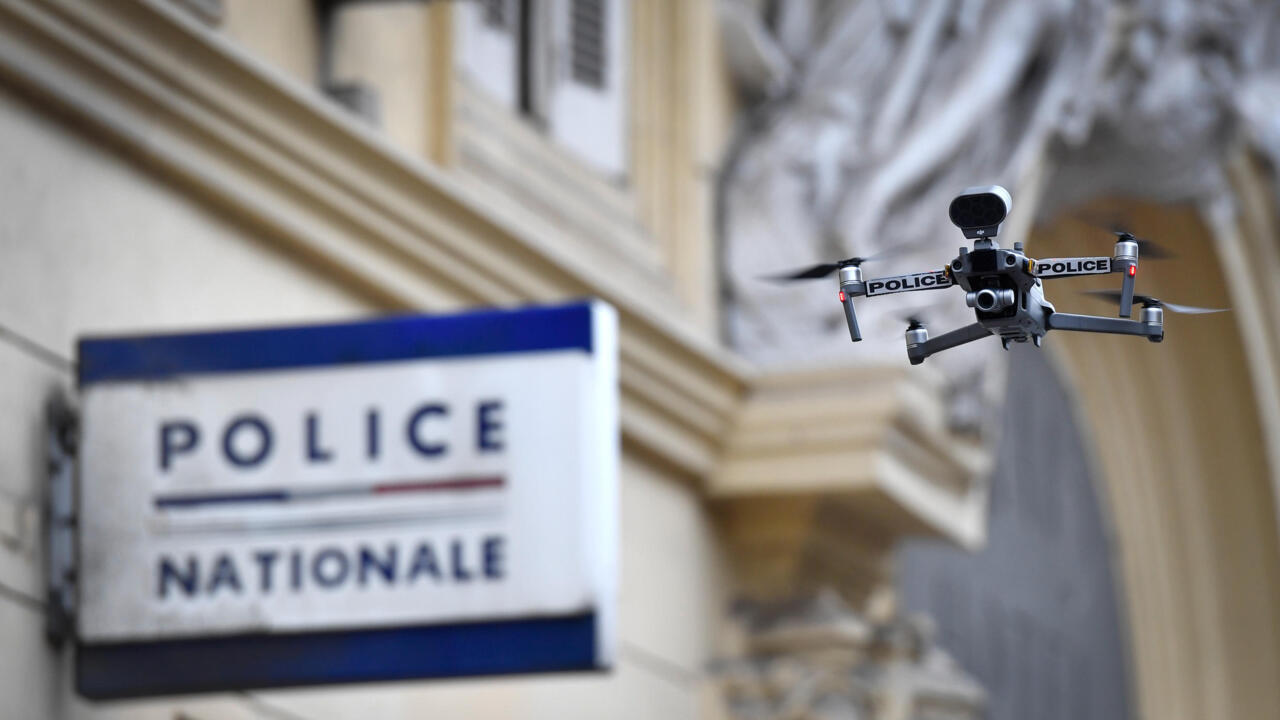
The expansion of surveillance isn’t happening overnight. As digital rights activist Tehio points out,it follows a pattern: “First they say it’s experimental,then it becomes normal.” This “maddening engine of repression,” as Tehio describes it, is manifesting in the increasing deployment of technologies like drones, artificial intelligence, and facial recognition.
For years, concerns where largely focused on surveillance practices in countries like China. However,France is now mirroring some of those same tactics,prompting questions about its commitment to civil liberties.
The Terrorism Justification and Its Limits
The French government consistently defends these measures as essential for countering terrorism. Intelligence services maintain that France faces a persistent, high-level threat. in February 2025, the director of France’s anti-terror unit, la Direction générale de la sécurité intérieure (DGSI), reported preventing 79 planned attacks since 2015.
However, critics like researcher Klausser argue this narrative is often overstated. “It’s a standard bit of rhetoric from the interior ministry,” he says. These measures, initially presented as tools to “remove doubts,” frequently lack a direct connection to imminent threats.
Blurring the Lines: Administrative vs. Criminal Law
The increasing use of surveillance is fundamentally altering the relationship between the state and its citizens. It’s blurring the traditional boundary between administrative and criminal law.
Klausser explains that the state is employing mechanisms historically used in former colonies or immigration law to neutralize perceived “internal enemies.” This raises serious concerns about due process and the potential for abuse.
The Risk of Political Exploitation
The current trajectory is particularly worrying given the potential for a future far-right government.Such a government could be tempted to dramatically expand the scope of these surveillance tools, targeting a wider range of individuals and groups.
Even now, the power of the judiciary is becoming increasingly pervasive in the lives of ordinary citizens.
Evidence of Overreach: The Yellow Vest Protests and Pension Reform Opposition
Consider the case of the Yellow Vest protests (2018-19). Amnesty International found that of approximately 11,000 arrests, only 3,000 resulted in convictions. This suggests a pattern of preemptive detention and a low threshold for intervention.
More recently, during President Emmanuel Macron‘s travels in spring 2023 to promote contested pension reforms, protesters were actively blocked from approaching areas where the president might be present. This demonstrates a clear attempt to suppress dissent and limit public expression.
A Dangerous Trend: The Devitalization of Democracy
The cumulative effect of these measures is a chilling one. Tehio warns that “the risk is that we become accustomed to the loss of freedom, surveillance, and an increasingly authoritarian state.”
This trend is leading towards the dismantling of dissent, with many individuals and advocacy organizations now hesitant to protest. Ultimately, this process threatens to “devitalize our democracy.”
What You Can Do
* Stay Informed: Continue to follow developments in surveillance technology and its impact on civil liberties.
* Support Advocacy Groups: Organizations like amnesty International and digital rights groups are working to protect your freedoms.
* Engage in Dialog: Discuss these issues with your friends, family, and elected officials.
* exercise Your Rights: Participate in peaceful protests and make your voice heard.
france stands at a critical juncture. The path it chooses will determine whether it remains a beacon of democratic values or succumbs to the allure of an increasingly intrusive surveillance state. It’s a challenge that demands vigilance, informed debate, and a firm commitment to protecting fundamental freedoms.
disclaimer: This article was adapted from the original in French by Joanna York.
Keep reading