
Advanced Cardiovascular Diagnostics: A Two-Part Study of Coronary Endotypes adn Myocardial Blood Flow Guidance
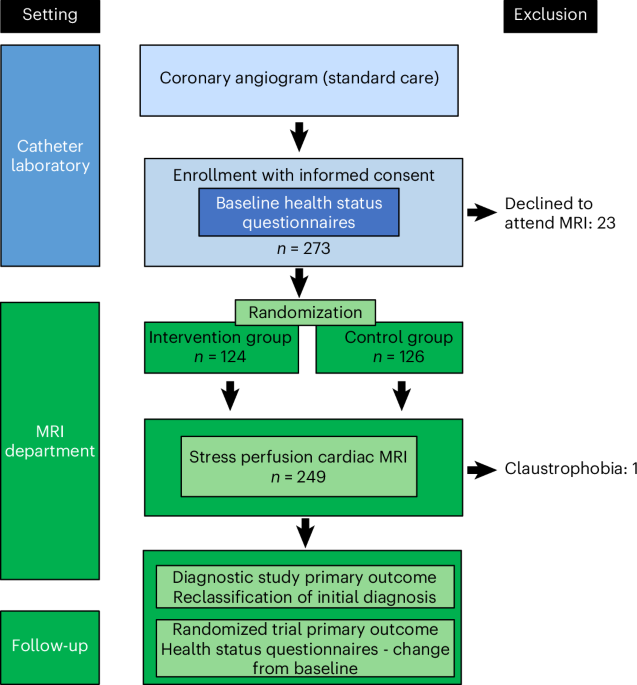
This study details a rigorous examination into improving the diagnosis and management of coronary artery disease (CAD). recognizing the limitations of traditional angiography,we conducted a two-part study: a diagnostic assessment of coronary endotypes,followed by a randomized controlled trial evaluating the impact of incorporating myocardial blood flow (MBF) data into clinical decision-making. Our approach,conducted with meticulous attention to data security and ethical considerations,aimed to refine diagnostic accuracy and ultimately improve patient outcomes. This report outlines the study design, statistical analyses, and key methodological details.
Understanding the Challenge: Beyond Coronary Angiography
Coronary angiography remains a cornerstone of CAD diagnosis.However, it primarily assesses anatomical narrowing, often failing to capture the functional meaning of lesions or identify patients with microvascular dysfunction. This can lead to both needless revascularization procedures and missed opportunities to optimize medical therapy. Our research addresses this gap by exploring coronary endotypes – distinct physiological and functional profiles of CAD – and evaluating the value of non-invasive MBF assessment in guiding treatment decisions.
Study Design: A two-Pronged Approach
The study was structured in two distinct, yet interconnected phases:
1. Diagnostic Study of Coronary Endotypes: This initial phase focused on refining the diagnostic process. We compared the initial diagnosis based solely on coronary angiography with a final diagnosis reached after comprehensive non-invasive endotyping. This endotyping incorporated advanced imaging techniques to assess both anatomical and functional aspects of coronary disease. The primary goal was to quantify the rate of diagnostic reclassification – the percentage of patients whose diagnosis changed following the endotyping process.
2. Randomized Controlled Trial (RCT): Guiding therapy with Myocardial Blood Flow
Building on the diagnostic insights, we conducted a nested, randomized, controlled trial. Patients were randomized to either a control group, where treatment decisions were based on standard angiography findings, or an intervention group, where treatment was informed by the addition of MBF results obtained through stress perfusion cardiac magnetic resonance (CMR) imaging. this allowed us to directly assess the clinical impact of incorporating functional data into the diagnostic and therapeutic pathway.
Statistical Rigor: Ensuring Reliable Results
We employed robust statistical methods throughout the study, adhering to a pre-specified statistical analysis plan and the intention-to-treat principle. All analyses were performed at the Clinical Trials Unit, Robertson Center for biostatistics, University of Glasgow, utilizing RStudio and R version 4.5.1.
* Primary Outcome Analysis: The primary outcome in the RCT was the change in Seattle Angina Questionnaire (SAQ) summary score, a validated measure of angina-related quality of life. We used linear regression, adjusting for baseline SAQ score, minimization factors, and age to account for potential confounding variables. The intervention effect was reported as an adjusted between-group mean difference, accompanied by 95% confidence intervals and P*-values.
* Subgroup Analysis: A post-hoc analysis explored whether the benefit of MBF guidance varied depending on the initial diagnostic discordance between angiography and endotyping. We tested for interaction effects between the intervention and diagnostic discrepancy, providing within-subgroup effect estimates.
* Secondary Outcome Analysis: Secondary outcomes were analyzed using similar regression techniques.We carefully examined residual distributions and applied appropriate transformations to ensure model validity. Categorical outcomes were compared using Fisher’s exact tests, while continuous outcomes were assessed with the Mann-Whitney *U test.
* Sample Size Justification: The sample size of 250 participants undergoing stress perfusion CMR was determined based on power calculations to detect a clinically meaningful difference in SAQ scores. We accounted for potential variations in therapy alteration rates based on MBF results, demonstrating sufficient power to detect effects even in subgroups where treatment changes were less frequent. A 20% allowance was made for potential loss to follow-up.
Data Security and Ethical Considerations
Maintaining the integrity and confidentiality of patient data was paramount. The database housing study information was subject to controlled access,customized based on the roles and blinding status of individual staff members. This ensured data security and minimized bias.
Moreover, the study was designed with local relevance and generalizability in mind. We actively involved local researchers throughout the entire research process – from study design and implementation to data ownership and authorship – fostering a collaborative and ethically sound research environment.
Looking Ahead: Improving Cardiovascular Care
This study represents a important step towards personalized cardiovascular care. by integrating advanced diagnostic techniques and rigorous statistical analysis,we aim to move beyond anatomical assessments and embrace a more comprehensive understanding of coronary artery disease. The findings will inform clinical practice, potentially leading to





