the Return of Conscription: How Europe is Re-Evaluating National Service in a New Era of Threat
A shift is underway across Europe, prompting nations to reconsider the role of national service and even conscription. This isn’t simply about bolstering troop numbers; it reflects a deeper reassessment of national security, societal resilience, and the very definition of civic duty in a rapidly changing world. You might be wondering what’s driving this trend, and how it differs from past approaches.
A Continent on Edge
Recent geopolitical events, particularly the war in Ukraine, have fundamentally altered the security landscape. A perceived increase in global instability is fueling a sense of vulnerability, prompting governments to prioritize defense preparedness. This isn’t just about military might, but about fostering a broader sense of national unity and shared responsibility.
Several factors are contributing to this renewed focus:
* Rising Geopolitical Tensions: The conflict in Ukraine has served as a stark reminder of the potential for large-scale conventional warfare.
* Erosion of Trust: Declining trust in government institutions, in some nations, is paradoxically driving a desire for stronger national identity and collective security.
* Demographic Challenges: Many European countries face aging populations and shrinking potential military recruitment pools.
Differing Approaches to a Common Concern
The response to these challenges varies substantially across the continent.While a full-scale return to mandatory conscription remains rare, several nations are exploring innovative approaches.
Here’s a look at how different countries are responding:
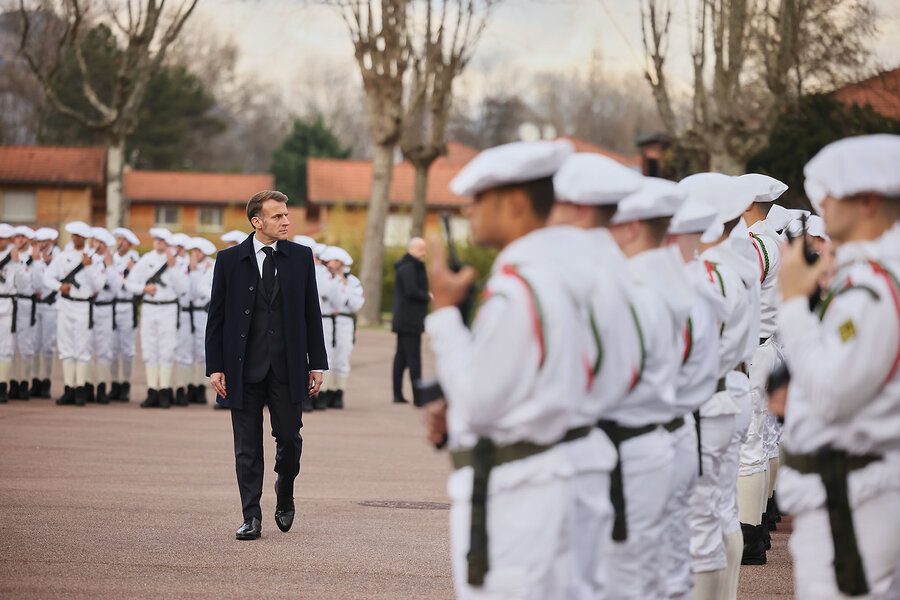
* France: President Macron has launched a voluntary national service program, aiming to engage young citizens in civic and defense-related activities. Polling suggests strong public support, despite relatively low overall trust in the government.
* Sweden: enjoying high levels of government trust, Sweden hasn’t needed to resort to conscription to maintain adequate troop levels. Though, the country remains vigilant and prepared.
* Germany: Despite a historical aversion to militarism, germany is reintroducing a voluntary military service program. This move has faced meaningful opposition,with student protests highlighting deep-seated concerns about the country’s role in international security.
* Poland & Croatia: Both nations have recently announced plans to expand military training and reintroduce conscription, signaling a more assertive stance on national defense.
* United Kingdom: The UK is seeking closer cooperation with the EU on defense initiatives, including a proposed peacekeeping force for Ukraine, demonstrating a renewed commitment to European security.
Trust and National Identity: A Complex Relationship
Interestingly, the level of public trust in government doesn’t always correlate with support for increased military preparedness. For example, France, with relatively low government trust, demonstrates strong support for Macron’s initiative.This suggests that a positive view of the military itself, and a generalized perception of threat, can outweigh concerns about government leadership.
Germany’s situation is particularly nuanced. Decades of grappling with its Nazi past have fostered a strong pacifist sentiment. Consequently,even voluntary military service faces resistance.
Beyond Troop Numbers: Building Societal Resilience
experts emphasize that the current trend is about more than just increasing troop numbers. It’s about fostering a broader sense of societal resilience and integrating defense preparedness into the national fabric.
As dr.Quencez of the German Marshall Fund notes, “The effort needs to be not just about spending but making defense part of the societal model.” This includes:
* Complete Training: Expanding military training programs to include a wider range of citizens.
* Civic Engagement: promoting national service programs that emphasize civic responsibility and community involvement.
* Strategic Investment: Prioritizing defense spending and investing in modern military capabilities.
Ultimately, Europe’s re-evaluation of national service reflects a essential shift in mindset. It’s a recognition that security is not simply a matter of military strength, but a collective responsibility that requires the active participation of all citizens. You can expect this trend to continue as Europe navigates an increasingly complex and uncertain world.
Worth a look
- Saudi Aramco Increases Crude Cargoes From Egypt To Bypass Red Sea Risks
- Al-Sisi Condemns Iranian Strikes on Kuwait, Reaffirms Egypt’s Full Support
- Maryland Public Service Commission Approves $38.1 Million Rate Increase forconsumers (news-usa.today)
- Verizon and Google Ink $1B+ Deal to Boost AI Infrastructure (archyde.com)