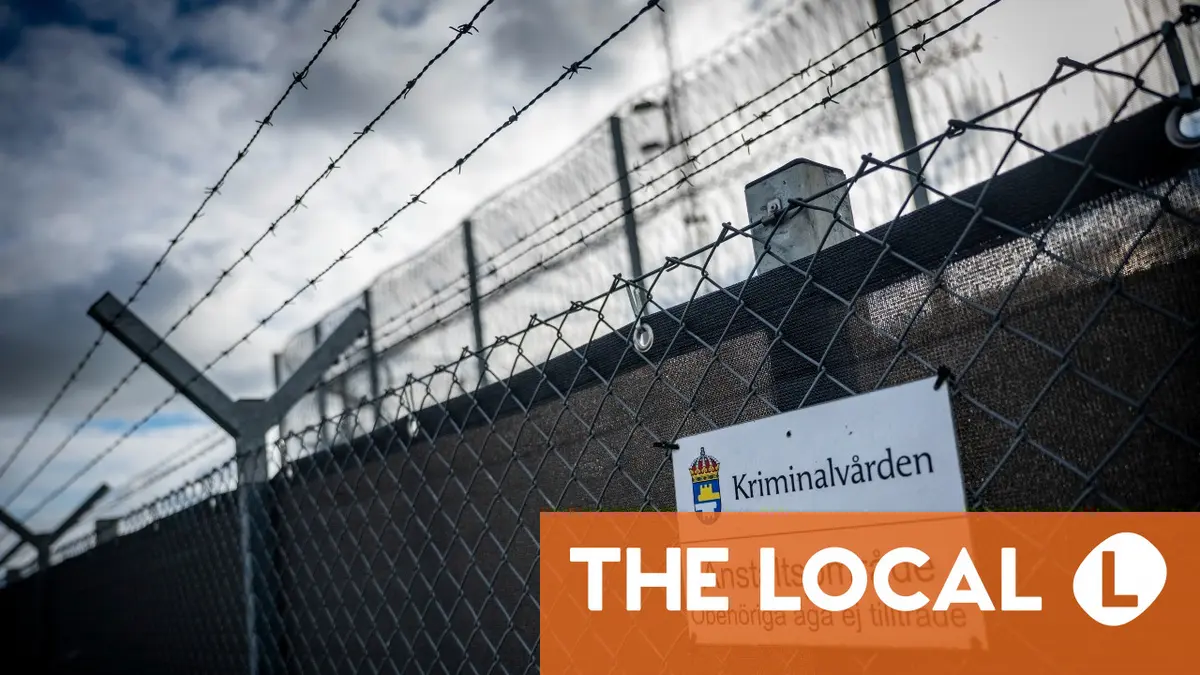
Sweden‘s Controversial Plan to Lower the Age of Criminal Responsibility: A Deep dive
The debate surrounding youth crime is a complex one,and Sweden is currently at the heart of a particularly contentious discussion. The government’s proposal to lower the age of criminal responsibility from 15 to 13 - a move intended to combat a surge in violent crime – is facing widespread opposition from key authorities. But is lowering the age the right solution? And what are the potential consequences for Sweden’s youngest and most vulnerable citizens? This article delves into the details of the proposed changes, the arguments for and against, and the broader context of youth crime in Sweden.
The Rising Tide of Youth Crime in Sweden
For over a decade, Sweden has been grappling with a troubling increase in violent crime, largely attributed to escalating turf wars over the drug market. A disturbing trend has emerged: a important proportion of offenders are under the age of 15, exploiting a legal loophole where their age affords them relative impunity. Criminal gangs are increasingly exploiting this, actively recruiting young teens – frequently enough through encrypted messaging apps – to carry out crimes in exchange for money. These recruiters understand that younger offenders face lighter sentences,making them ideal pawns in a dangerous game.
The government’s response, announced in September, is to lower the age of criminal responsibility to 13. This proposal follows a government-ordered inquiry in January that initially suggested a reduction to 14. Tho, the government opted for a more drastic measure, seeking input from 126 authorities and organizations before finalizing the bill.
Widespread Opposition: A Chorus of Concerns
The response has been overwhelmingly negative. A recent review by TT news agency revealed that of the 74 responses received, a staggering 61 expressed opposition, reservations, or “sharp criticism” towards the proposal.The dissent isn’t coming from fringe groups; it’s coming from the very institutions tasked with upholding law and order.
Here’s a breakdown of the key concerns raised by leading authorities:
* The Police: Expressed fears that lowering the age could lead to “significantly younger children” becoming entangled in criminal networks, perhaps exposing them to greater risk and trauma.
* The Swedish Prosecution Authority: Highlighted the potential for “considerable problems” in applying the law and warned of “unreasonable consequences.” Thay also criticized the lack of adequate readiness for such a significant change.
* The Swedish Prison and Probation Service: Admitted they are “not currently fully prepared or equipped” to care for children as young as 13 or 14.They emphasized that children committing crimes at this age are frequently enough deeply vulnerable and require social and psychological support, not simply incarceration.
* The Swedish National Council for Crime Prevention: Pointed out that lowering the age of criminal responsibility would put Sweden at odds with recommendations from the United Nations, which advises member states not to lower the age. https://www.unicef.org/protection/child-justice
The core Argument: Punishment vs. Rehabilitation
The debate boils down to a essential question: is lowering the age of criminal responsibility a deterrent, or will it simply exacerbate the problem? Proponents argue that it will send a stronger message to potential offenders and disrupt the recruitment tactics of criminal gangs. However, critics contend that it will criminalize vulnerable children, diverting resources away from crucial preventative and rehabilitative programs.
Many experts beleive that addressing the root causes of youth crime – poverty,social exclusion,lack of educational opportunities,and family dysfunction – is far more effective than simply lowering the age at which a child can be punished. Focusing on early intervention, mental health support, and providing positive alternatives to gang involvement are seen as key strategies.
International Context: Where Does Sweden Stand?
Sweden’s current age of criminal responsibility (15) is relatively high compared to many other European countries. England and wales, such as, have an age of criminal responsibility of 10 – the lowest in Europe. However, many countries are moving away from lowering the age, recognizing the developmental vulnerabilities of young adolescents.
Here’s a quick comparison:
* England & Wales: 10
* Scotland: 12
* Germany: 14
* France: 13
* Norway: 15
* Finland: 15
This context highlights the controversial nature of Sweden’s proposal and the potential for it to isolate the country from prevailing international trends.
Keep reading
- US and Saudi Arabia Strike Iran-Backed Militias as Middle East Tensions Escalate
- Why the Trump Administration Manipulated Military Casualty Figures
- Study: Cholesterol-Lowering Drugs May Cause Muscle Pain and Weakness (newsdirectory3.com)
- Montana Department of Justice Unveils New PSAs to Address State’s Missing Persons Cases (news-usa.today)