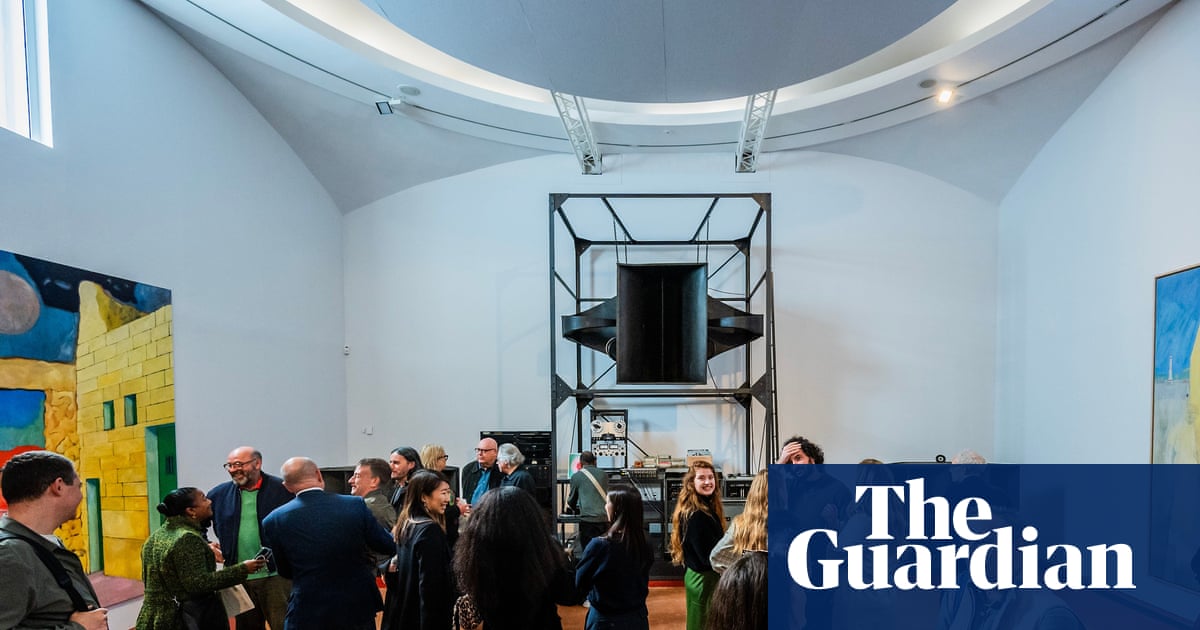
From Block Parties to Runways: how Sound System Culture is Reshaping art & Fashion
For decades, sound system culture has pulsed through communities, notably within the Caribbean diaspora. But something is shifting. What was once a cornerstone of underground scenes is now captivating the worlds of high art and high fashion. From Dior runways to Valentino boutiques, the thumping bass and towering speaker stacks are making a statement – and it’s a trend with deep roots and a fascinating evolution.
A Cultural Foundation
The story begins not in a gallery, but in places like Trinidad, where, as one resident notes, a massive sound system is commonplace even at a school fete. It’s simply “a fabric of the country,” a deeply ingrained part of life. This isn’t just about loud music; it’s about community, identity, and a powerful sonic experience.
this culture historically provided a voice and space for marginalized communities. It was a DIY ethos born from necessity, evolving into a vibrant expression of creativity and resistance.
A New Frontier for Sound Systems
Professor Julian Henriques, a leading scholar of sound system culture at Goldsmiths, University of London, believes we’re witnessing a pivotal moment.He describes this as “new territory,” expanding the audience and perception of sound systems.
This expansion isn’t just about visibility. It’s about reimagining the sound system itself.Groups like Black Obsidian Sound System, a Black and Brown queer collective, are transforming these systems into community resources, challenging traditional, male-dominated spaces.
Fashion’s Embrace of High Fidelity
The influence is undeniable. Valentino recently hosted a 10-hour listening session within its New York flagship store, complete with a high-end audio system.Stone Island collaborated with Shivas Howard Brown’s Amiable Pressure during Milan design week.
But arguably, the spark was ignited in 2020 when Kim Jones at Dior featured colossal speaker stacks looming over models during a runway show.This collaboration, and others like it, have positioned sound systems as a desirable aesthetic.
* Dior (2020): Pioneering runway integration with massive speaker stacks.
* Valentino: Immersive listening experiences within retail spaces.
* Stone Island: Collaborative design projects highlighting sound system aesthetics.
Why Now? The Rise of the Sonic Status Symbol
So, what’s driving this trend? Culture critic Suze Webb argues that speakers and quality hi-fi have become “cool and aspirational” status symbols. It’s a shift in perception, where sonic quality is now valued alongside visual aesthetics.
Several factors are contributing to this change:
* Increased Portrayal: More Black and Caribbean creatives are joining design and art teams, bringing a deeper understanding and gratitude for sound system culture.
* The Virgil Abloh Effect: The late Virgil Abloh,a DJ turned designer,championed the culture and inspired a new generation. His protégé, Devon Turnbull, created the OJAS Listening Room, a space dedicated to immersive audio experiences.
* A Desire for Authenticity: In a world saturated with imagery, sound offers a more visceral and authentic experience.
A Complex Evolution
While some argue that the commercialization of sound system culture risks diluting its radical roots, Professor Henriques maintains a positive outlook. “I’d rather it was happening than not happening,” he says, suggesting that any visibility is preferable to erasure.
Ultimately,the embrace of sound systems by the art and fashion worlds represents a fascinating cultural exchange. It’s a testament to the enduring power of a culture born from community, resilience, and a love of bass.
Are you interested in learning more about the history of sound system culture? Here are some resources to explore:
* SoundnVision Substack by suze Webb
* [End Clothing Feature on Friendly Pressure](https://www.endclothing.com/gb/features/systems-of-sound-with-friendly-pressures-shivas-ho?srsltid=AfmBOopHzNT7-VZ-PHiMeo227HsXEKwFiUOunAugMJwY_vH1
- Sagar Bhatia Announces 2026 International Tour: Qawwali Star to Perform in Canada and Singapore
- Fake Accounts Scam Fans with Non-Existent Concerts in the UAE
- Understanding Chronic Digestive Inflammation: Causes and Immune System Disorders (archyde.com)
- Microsoft Unveils Agent-Based Cybersecurity Model and AI Update System (world-today-news.com)