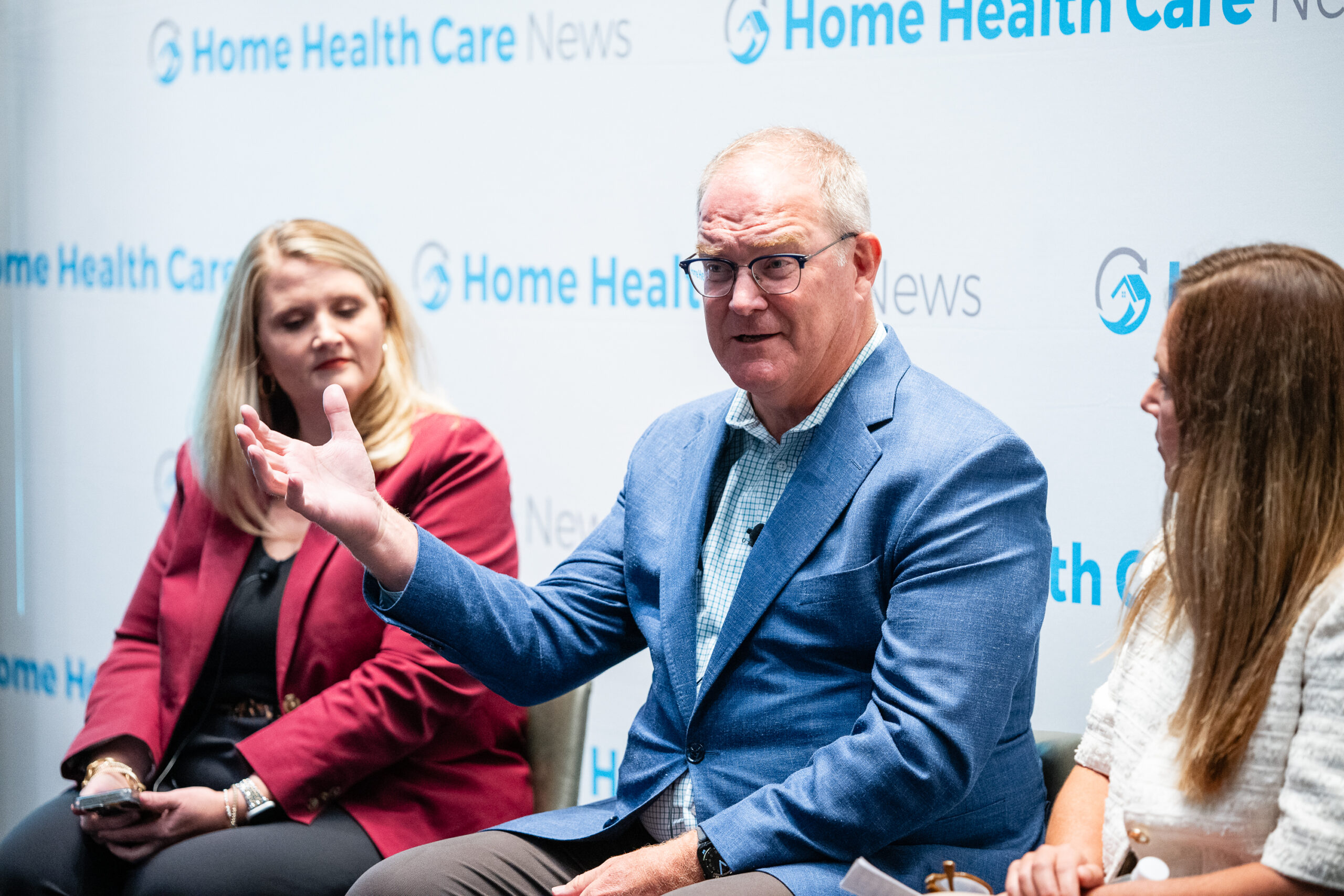
Expanding Home Care: Meeting the evolving Needs of Seniors
The landscape of home care is rapidly changing. Increasingly, families are seeking more than just basic assistance with daily tasks. They desire extensive, coordinated care that addresses the holistic well-being of their loved ones. This shift presents both exciting opportunities adn notable challenges for home care providers.
The Rise of Comprehensive Care
Traditionally, home care focused on providing assistance with activities of daily living – things like bathing, dressing, and meal preparation. Now, a more proactive and integrated approach is gaining traction.This involves offering programs designed to improve a senior’s overall health, encompassing physical, mental, and social aspects.
You need to understand that this isn’t simply about adding services; it’s about fundamentally changing how you deliver care. It requires a shift in mindset from providing “shifts” or “hours” to offering complex solutions for families navigating challenging circumstances.
Navigating the Challenges
Transitioning to a more comprehensive care model isn’t without hurdles. One of the biggest is adapting to this new way of thinking.It demands a focus on outcomes and a commitment to addressing the root causes of health issues, not just the symptoms.
Here are key areas to consider:
* Mindset Shift: Embrace a program-focused approach rather than a task-based one.
* Care Coordination: Effectively manage multiple facets of a client’s care plan.
* Technology integration: Leverage tools to monitor progress and enhance communication.
* Staff Training: Equip your team with the skills to deliver specialized care.
The Power of Strategic Partnerships
Successfully expanding your services often requires collaboration. Building strong partnerships with organizations offering complementary expertise is crucial. This allows you to provide a wider range of services without needing to develop every capability in-house.
Consider these potential partnerships:
* Telehealth Providers: Integrate virtual mental health services for convenient access to care.
* Physical Therapy Groups: Offer in-home rehabilitation programs to improve mobility and function.
* Nutritionists: Provide personalized dietary guidance to support overall health.
* Social Workers: Assist with navigating complex healthcare systems and accessing community resources.
A Case Study: Integrating Mental Health Support
One example of a successful partnership involves integrating mental health services into home care.Recognizing the growing need for accessible mental health support for seniors,some providers are collaborating with telehealth platforms.
This allows them to offer services like:
* Phone Consultations: Providing convenient access to therapists.
* Video Sessions: Offering a more personal connection through virtual appointments.
* Text-Based Support: Enabling ongoing communication and check-ins.
The response from clients has been overwhelmingly positive. It demonstrates the value of a holistic approach that addresses both physical and emotional well-being.
Looking Ahead: A Holistic Future for Home Care
The future of home care lies in embracing a more comprehensive and integrated model. By focusing on the whole person and building strategic partnerships, you can position your agency to meet the evolving needs of seniors and their families. This isn’t just about providing care; it’s about enhancing quality of life and empowering individuals to age gracefully in the comfort of their own homes.
Ultimately, the most successful home care agencies will be those that prioritize a holistic approach, recognizing that true well-being encompasses physical, mental, and social health.