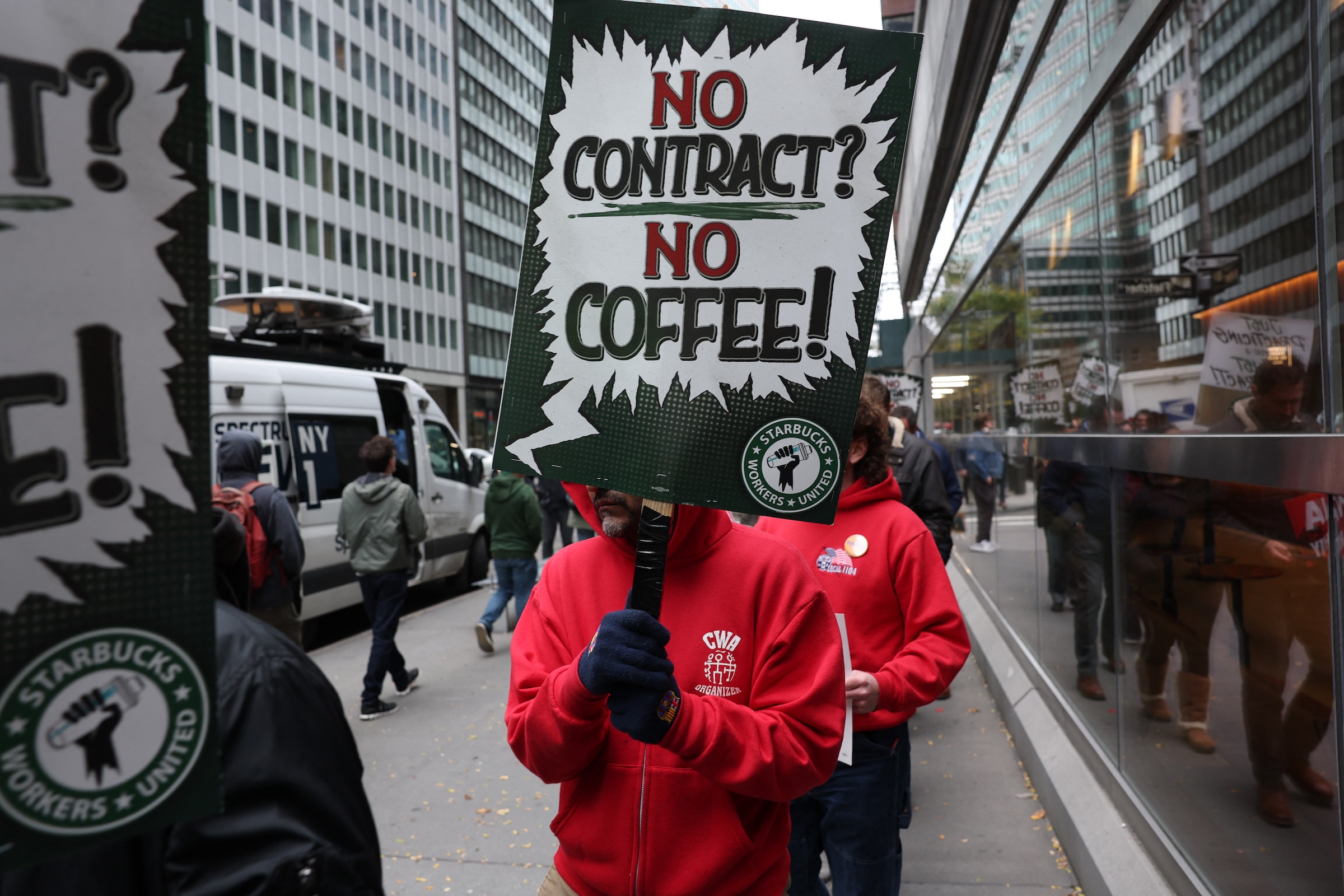
Starbucks Workers continue Strike Amidst Contract Disputes & Union Accusations
Starbucks employees across the nation are continuing their strike, demanding a fair contract from the coffee giant. This labor action comes as negotiations stall, leaving thousands of workers without the benefits and protections a collective bargaining agreement would provide. You’re likely seeing increased picketing activity, particularly around the company’s busy “Red Cup day” promotion.
The core issue remains a lack of good-faith bargaining. Workers report that Starbucks has been slow to address key concerns, leading to frustration and the decision to take to the picket lines. They are seeking improvements in areas like wages, benefits, scheduling practices, and protection against unfair discipline.
A Common Tactic: Delaying Negotiations
Unfortunately, prolonged contract negotiations are a frequently employed tactic by employers resisting unionization. Research indicates that delaying the process benefits companies, allowing them to potentially weaken union resolve. This strategy is particularly concerning given Starbucks’ financial position.
Congressional Scrutiny & Concerns Over Company Priorities
Over 100 members of Congress have voiced their concerns, sending a letter to Starbucks CEO Laxman Niccol. Led by Senator Bernie Sanders,these lawmakers are questioning Starbucks’ commitment to its workforce.
The letter highlights a stark contrast: while Starbucks reported $3.6 billion in profit last year, the company simultaneously spent $5 billion on stock buybacks and dividends. Simultaneously, Starbucks has been closing stores and implementing significant layoffs, impacting hundreds of employees.
Lawmakers argue that these actions demonstrate Starbucks has the financial capacity to reach a fair agreement with its workers. They are urging the company to prioritize its employees and engage in good-faith bargaining.
What Workers Are Fighting For
Specifically, workers are seeking:
* Living Wages: Ensuring all employees earn enough to cover basic living expenses.
* Consistent Scheduling: Providing more predictable work schedules to improve work-life balance.
* Robust Benefits: Offering extensive healthcare, paid time off, and retirement options.
* Fair Discipline Procedures: Protecting employees from arbitrary or unfair disciplinary actions.
* Respectful Workplace: Fostering a work environment free from intimidation and retaliation.
the Path Forward
The ongoing strike underscores the growing tension between starbucks and its unionized workforce. It’s a situation that demands attention, not just from the company and its employees, but from consumers and policymakers alike.
Ultimately, a resolution requires Starbucks to demonstrate a genuine commitment to its workers. This means engaging in constructive dialog, addressing their concerns, and reaching a contract that reflects the value they bring to the company. Until then,you can expect to see continued pressure on Starbucks to do right by its employees.
Worth a look