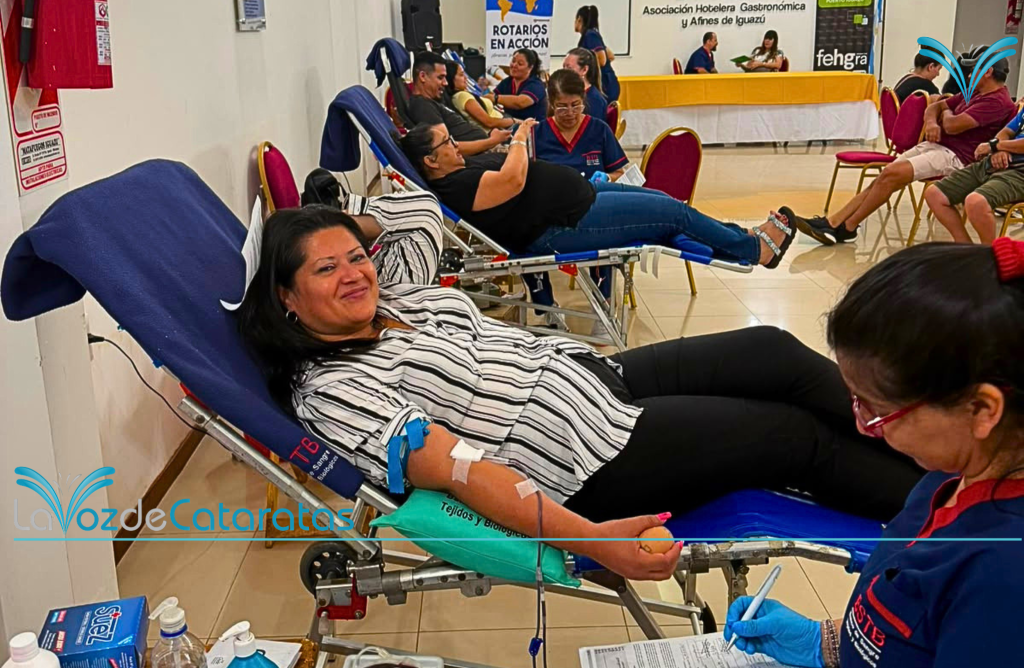
Organizing community blood drives remains a vital public health initiative for maintaining safe reserves across regional medical facilities. In Misiones, Argentina, local organizations frequently partner with healthcare institutions to coordinate mobile donation campaigns, ensuring that hospitals have steady access to essential blood components for emergency treatments, surgeries, and routine patient care.
According to local reports from Puerto Iguazú, community groups regularly schedule these drives to encourage volunteer participation. Donating blood takes only a few minutes of an individual’s day, yet the collective impact sustains critical medical care for patients facing trauma, chronic illnesses, or complex surgical procedures throughout the region.
The Role of Community Partnerships in Blood Donation
Coordinated efforts between civic organizations and specialized health agencies help address recurring shortages in regional blood banks. In Puerto Iguazú, community groups such as the Rotary Club frequently join forces with regional blood and tissue collection services to organize accessible donation events. These partnerships help demystify the donation process and provide convenient locations for first-time and regular volunteers alike.
Public health administrators emphasize that maintaining an adequate blood supply requires consistent community engagement rather than reactive responses to individual emergencies. Mobile drives remove geographical barriers by bringing collection equipment and trained medical personnel directly into neighborhoods, making it easier for working adults and community members to participate.
Understanding the Impact on Patient Care
Every collected unit of blood can be separated into components such as red blood cells, platelets, and plasma, allowing a single donation to help multiple patients. Medical facilities rely on these supplies daily for accident victims, oncology patients undergoing chemotherapy, individuals receiving organ transplants, and women experiencing complications during childbirth.
Healthcare professionals note that blood products have a limited shelf life—platelets, for example, must typically be used within five days—making a continuous influx of fresh donations necessary. Educational campaigns accompanying local drives focus on debunking common myths about eligibility, emphasizing that the procedure is safe, strictly regulated, and performed with sterile, single-use equipment.
Next Steps and Future Drives
Local organizers continue to schedule upcoming collection dates and publish eligibility requirements for prospective donors. Residents interested in participating can check local municipal announcements or community health calendars for information regarding upcoming drive locations, operating hours, and identification requirements needed at the time of donation.
What are your thoughts on community-led health initiatives? Share your perspective in the comments below.
Keep reading