Germany Bolsters Air & Missile Defense with $3.5 Billion U.S. Missile Deal: A Deep Dive
Germany is significantly enhancing its naval air and missile defense capabilities with a potential $3.5 billion Foreign Military Sale (FMS) approved by the U.S. State Department. The deal, encompassing up to 173 Standard Missile-6 (SM-6) Block I and 577 Standard Missile-2 (SM-2) block IIIC missiles, alongside crucial support infrastructure, underscores a strengthening of the transatlantic alliance and Germany’s commitment to regional security. This analysis provides a comprehensive overview of the sale, its implications, and the advanced technologies involved, drawing on official announcements from the Defense Security Cooperation Agency (DSCA) and technical details of the missile systems.
Strengthening NATO’s Shield: Why This Sale Matters
The approval of this FMS is a strategic move that directly supports U.S. security objectives by reinforcing a key NATO ally. Germany’s role as a pillar of political stability and economic progress in europe is well-established,and bolstering its defense capabilities contributes to a more secure and resilient European continent.DSCA explicitly stated Germany can readily absorb these systems without straining its resources, highlighting the country’s robust defense infrastructure and logistical capacity.
This sale isn’t simply about acquiring hardware; it’s about future-proofing Germany’s naval defenses. The missiles are destined for integration onto Germany’s next-generation F127 class frigates, advanced surface combatants equipped with the aegis Combat System. These frigates will form a critical component of Germany’s layered air and missile defense architecture,capable of protecting naval assets,critical infrastructure,and potentially contributing to broader NATO defense efforts.
The Cutting-Edge Technology: SM-6 and SM-2 Block IIIC Explained
The core of this deal lies in two of the most sophisticated naval air defense missiles available:
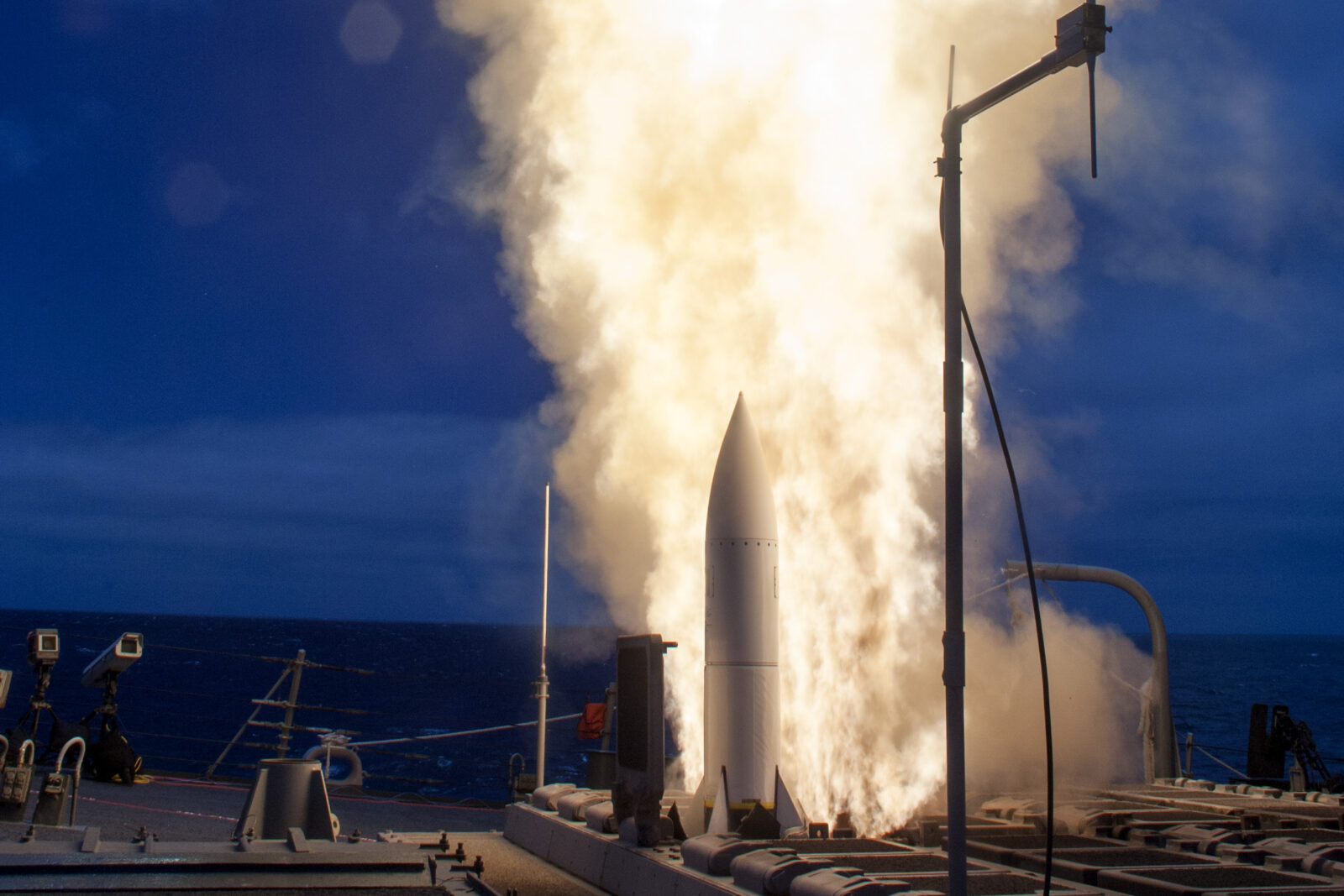
* Standard Missile-6 (SM-6) Block I: Developed by Raytheon, the SM-6 represents a paradigm shift in naval air defense. Often described as an “over-the-horizon” missile, its two-stage design and advanced active radar seeker (derived from the AIM-120 AMRAAM) allow it to engage targets beyond the line of sight of the launching ship. this capability, known as “engagement beyond the horizon” or ”engagement behind terrain folds,” is crucial in modern warfare scenarios where threats might potentially be obscured or rapidly approaching.The SM-6 utilizes inertial guidance with mid-course updates from the ship,culminating in a precision strike enabled by its active radar seeker. With a range of up to 240 kilometers (149 miles) and an altitude ceiling of 33 kilometers (20.5 miles), the SM-6 can intercept a wide spectrum of threats, including cruise missiles, ballistic missiles, and advanced aircraft. Its ability to achieve a direct hit further enhances its effectiveness.
* Standard Missile-2 (SM-2) Block IIIC: Building upon the legacy of the SM-2 family, the Block IIIC variant incorporates an active seeker, significantly improving its performance against highly maneuverable aerial threats. This upgrade allows the missile to track and intercept targets executing evasive maneuvers, making it a formidable defense against modern aircraft and anti-ship missiles.
Comprehensive Support Package: Beyond the Missiles
The $3.5 billion package isn’t limited to the missiles themselves. It includes a comprehensive suite of supporting elements essential for effective deployment and sustainment:
* Vertical Launch System (VLS) Canisters: MK 21 and MK 13 canisters will provide secure transport, storage, and launch capabilities for the missiles.
* Missile test Equipment: Ensuring the operational readiness of the missiles through rigorous testing and maintenance.
* Engineering & integration Support: Facilitating seamless integration of the missiles onto the F127 frigates.
* Training & technical Documentation: Equipping German personnel with the knowledge and skills necessary to operate and maintain the systems.
* Logistics & Lifecycle Support: Guaranteeing long-term operational effectiveness through ongoing maintenance,upgrades,and spare parts availability.
Economic Impact & Industrial Collaboration
RTX Corporation, encompassing Raytheon, will serve as the principal contractor for this FMS. Work will be distributed across its facilities in Camden, Arkansas; Tucson, Arizona; and Huntsville, Alabama, generating economic benefits and supporting American jobs. Currently, no offset agreements are in place, but any future arrangements will be negotiated directly between Germany and RTX.
Regional Stability & Minimal Disruption
DSCA has affirmed that this sale will not alter the basic military balance in the region