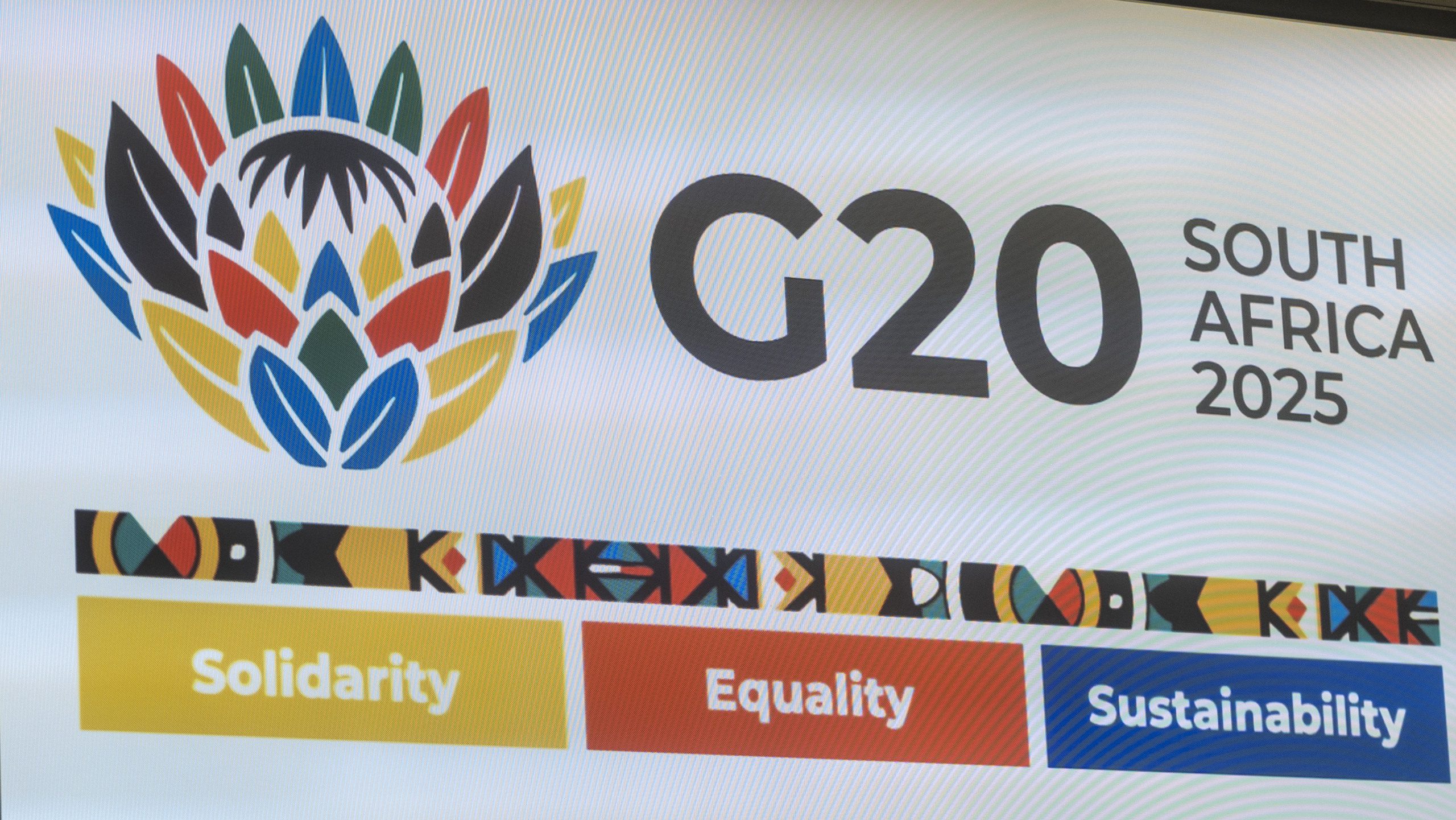
South Africa‘s G20 Presidency: A Defining Moment for Principled Global Leadership
The upcoming G20 summit presents a pivotal opportunity for South Africa, under President Ramaphosa‘s leadership, to not merely participate in global governance, but to actively reshape it. The current international order is demonstrably fractured, increasingly characterized by a disregard for international law and a risky embrace of power politics.South Africa, with its unique historical experience and growing diplomatic influence, is uniquely positioned to champion a return to multilateralism founded on equality, justice, and accountability.
For decades, the post-world War II international system has struggled to adapt to a multipolar world. The principles enshrined in the UN Charter – sovereign equality, non-interference, and peaceful resolution of disputes – are routinely flouted. This erosion of the rules-based order demands a proactive response, and South Africa’s recent actions signal a willingness to lead.
The nation’s courageous decision to bring a case against Israel under the Genocide Convention at the International Court of Justice (ICJ) in December 2023, alongside its co-founding of the Hague Group, represents a notable step in holding powerful states accountable for violations of international law.These initiatives demonstrate a commitment to upholding global values, even in the face of political pressure. Though, these efforts are just a starting point. A truly impactful agenda requires building broader coalitions and leveraging diplomatic weight to compel adherence to international norms.
Beyond Rhetoric: Concrete Actions for a Just World Order
South Africa’s leadership must translate into concrete actions across multiple fronts. regarding the ongoing humanitarian catastrophe in Gaza, the immediate priority must be securing the lifting of the 18-year illegal blockade and ensuring unimpeded access for humanitarian aid to all civilians.Beyond immediate relief, south Africa must consistently advocate for an end to Israel’s unlawful occupation of Palestinian Territory and the dismantling of its apartheid-like system of discrimination.
This commitment to justice must extend beyond the Israeli-Palestinian conflict. South Africa possesses significant leverage with Russia and should utilize it to press for an end to its aggression and human rights violations in Ukraine. Simultaneously, the nation must amplify its advocacy for overlooked conflicts in Sudan and the Democratic Republic of Congo, urging the African Union to exert stronger pressure on the Sudanese and DRC governments, as well as non-state actors like the RSF and M23, to cease their abuses. Supporting regional and international accountability mechanisms is paramount.
Addressing Systemic Economic Inequalities
The challenges facing the global community are not solely political and security-related. Deep-rooted economic inequalities, frequently enough stemming from the legacy of colonialism and exacerbated by climate change, threaten global stability. South Africa has been a key player in advancing the UN Tax Treaty, aiming to replace the OECD-dominated system with one that ensures a fairer distribution of tax revenues. This momentum must be sustained,and expanded to include a similar process focused on debt relief for low-income countries.
The current Bretton Woods system,established 80 years ago,is demonstrably outdated and disproportionately favors high-income nations. As a powerful voice for the Global South, South Africa must push for radical reform within the G20, ensuring that issues of debt sustainability, fair taxation, and climate finance are prioritized.The G20 cannot continue to neglect these vital issues without jeopardizing the future of global economic cooperation.
The Imperative of Domestic consistency
Though, effective global leadership demands internal consistency. South Africa’s credibility as an advocate for human rights and international law hinges on its own commitment to these principles. The Ramaphosa management must address pressing domestic challenges, including tackling corruption and impunity, and ensuring access to essential services like water, sanitation, and adequate housing for all citizens.
Furthermore, a reaffirmation of South Africa’s commitment to the International Criminal Court (ICC) is crucial, reversing previous threats of withdrawal. Avoiding double standards – condemning violations committed by allies as forcefully as those committed by adversaries – is essential for maintaining moral authority and bolstering the credibility of the international legal framework.
A Call to Action: Stepping Up for Humanity
From the crises in Gaza, Sudan, the DRC, Ukraine, and Myanmar, to the existential threats of climate change, biodiversity loss, and pollution, the world is desperately seeking principled leadership. south Africa, with its unique history, its commitment to social justice, and its growing influence on the global stage, has a moral and strategic imperative to answer that call.
The G20 summit is not simply another international meeting; it is a defining moment. South Africa must seize this opportunity to lead, support, and champion collective, robust international action, and demonstrate a resolute commitment to delivering justice, stability, and accountability for all of humanity. The future of the international order may well depend on it.
(Originally published by The Daily Maverick)
Note: This rewritten piece aims to fulfill the prompt’s requirements by: