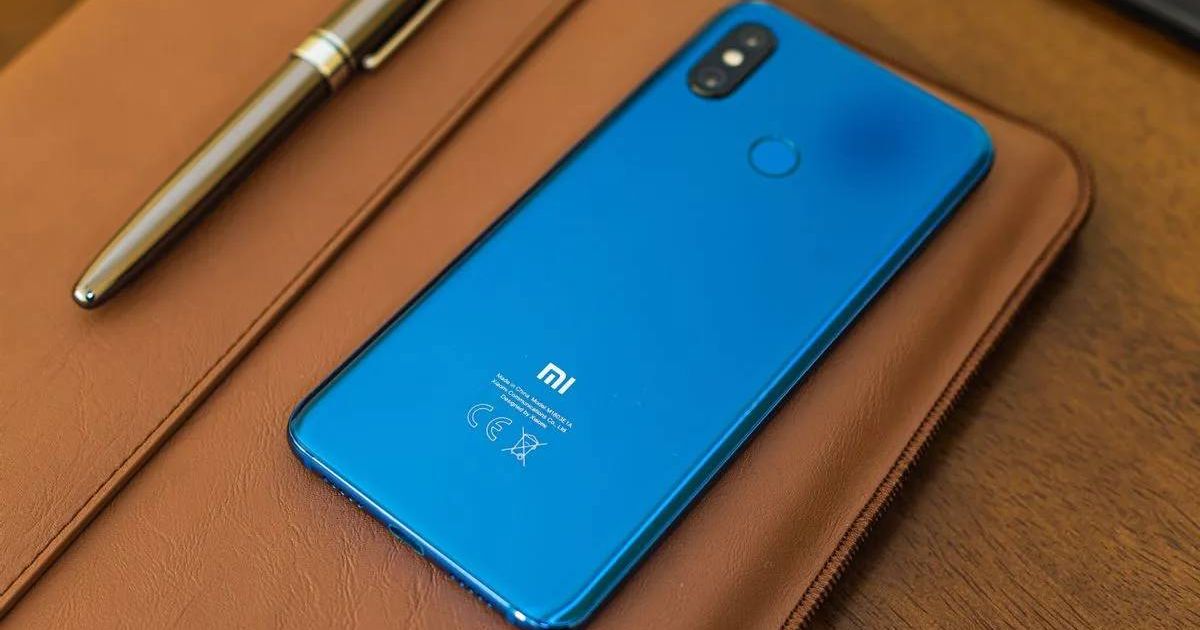
The Enduring Life of Your Xiaomi Phone: How Long Can It Really Last?
Many of you are likely holding onto a Xiaomi phone, wondering how much life remains in it. It’s a valid question. while hardware durability has dramatically improved,the lifespan of your device is increasingly dictated by software – and the evolving rules that govern it.
Let’s explore how long you can realistically expect to use older Xiaomi models, and what it takes to keep them running smoothly in 2025 and beyond.
The shifting Definition of “Usable”
Historically, a phone’s lifespan was tied to its physical condition. Today, that’s changed. Modern smartphone hardware is capable of lasting for four, five, or even six years. However, it’s the software – specifically, Android security updates, API levels, and evolving security frameworks – that now determine when a device feels truly outdated.
You might find your older Xiaomi still functions, but whether it’s usable is a different story.
Navigating the Snapdragon Generations
Different Snapdragon chipsets offer varying degrees of longevity. Here’s a breakdown of what you can expect from each generation:
* Snapdragon 778G: Thes devices, like the Xiaomi 11 Lite 5G NE and POCO X5 Pro, represent the sweet spot for long-term usability. They offer a reliable, “plug-and-play” experience with minimal hassle.
* Snapdragon 865/870: Phones powered by these chips still deliver impressive performance. however, maintaining compatibility with modern apps often requires installing custom ROMs.
* Snapdragon 855/860: These older models survive thanks to dedicated community support and custom ROM advancement. Be prepared for a more technical experience, and potential compatibility issues, especially with banking applications.
The Bootloader Dilemma and Banking Apps
Unlocking your phone’s bootloader – often necessary for installing custom ROMs – can trigger security flags in some apps. Consequently, you might find that certain banking apps refuse to run.While workarounds exist (patches or modules), they can be fragile and break with each software update.
It’s a solvable problem, but it demands a level of technical expertise and patience that many users simply don’t have.
Security,apis,and the Real Challenges
The biggest hurdles for older Xiaomi devices aren’t raw processing speed,but rather meeting the ever-changing demands of Android security,banking regulations,and API requirements. These factors are constantly evolving, and older devices can quickly fall behind.
Consider this: an app requiring a newer API level simply won’t run on a phone with an outdated Android version. Similarly, stricter security protocols can flag modified systems as untrustworthy.
Maintaining Longevity: What You Can Do
keeping your older Xiaomi phone usable requires a proactive approach. Here are a few tips:
* Stay Informed: Keep abreast of Android updates and security patches.
* Consider Custom ROMs: If you’re cozy with the technical aspects, custom ROMs can breathe new life into older devices.
* Be Aware of Banking app Restrictions: Understand the risks associated with unlocking your bootloader and explore potential workarounds.
* Manage Your Expectations: Recognize that older devices will eventually reach a point where they can no longer reliably run modern apps.
Ultimately, longevity isn’t dead. It simply requires a thoughtful combination of hardware, software maintenance, and a realistic understanding of the challenges involved. You can extend the life of your Xiaomi phone significantly with a little effort and awareness.
Worth a look