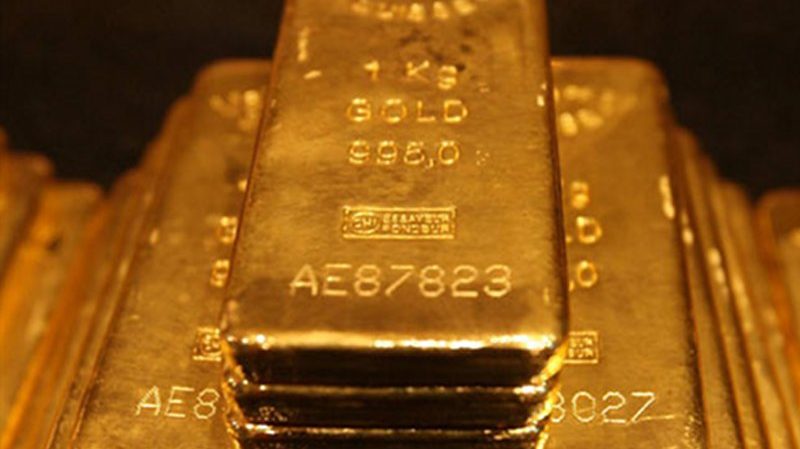
The Golden Vein of Conflict: How Sudan’s War is Fueled by Gold and the Challenges to International Sanctions
the ongoing conflict in Sudan,a brutal power struggle between rival military factions,isn’t simply a fight for political control. It’s a war financed by gold – a multi-billion dollar trade that has become the lifeblood of the conflict, enabling both sides to procure arms and sustain their operations. This inquiry delves into the complex network of gold extraction, smuggling, and international trade that underpins the Sudanese conflict, highlighting the challenges in enforcing sanctions and the critical role played by nations like the UAE and Switzerland. We’ll examine the evidence, the loopholes, and the steps needed to disrupt this illicit flow of wealth fueling instability in the region.
From Oil Dependence to a Golden Economy of War
Following the loss of oil revenues with South Sudan’s independence in 2011, sudan’s political and military elites rapidly pivoted to gold as a primary source of income. This transition wasn’t organic; it involved the purposeful seizure and control of gold mines, often by the very armies now engaged in open warfare. UN experts have consistently identified the gold sector as a crucial funding source for both warring parties, a pattern that continues to escalate the violence and prolong the humanitarian crisis. The economic networks supporting this trade are already under scrutiny, facing sanctions from the US, EU, and the United Nations.
recent analysis by Chatham House, a leading London-based think tank, unequivocally states: “The multi-billion-dollar trade of gold sustains and shapes Sudan’s conflict.” This isn’t merely a peripheral issue; it’s the central economic engine driving the war.
The UAE: A key Transit Hub and Destination for Sudanese Gold
Increasingly, evidence points to the United Arab emirates (UAE) as a critical destination for Sudanese gold. A recent report by the Swiss NGO Swissaid, building on their earlier African Gold Report, confirms this trend. The report highlighted data briefly available on the UN Comtrade platform in 2024, revealing a significant surge in gold exports from Sudan to the UAE. This data was subsequently removed from the platform, prompting questions about transparency and potential pressure to obscure the flow of illicit gold.
When contacted for comment,UN Comtrade stated the data “is being double-checked due to out of trends data in 2024.” The UAE has publicly denied providing any form of support to the warring factions in Sudan.However,the sheer volume of gold flowing through the UAE raises serious concerns,particularly as the country prepares for its next Financial Action Task Force (FATF) review in 2026. This review will assess the UAE’s compliance with international standards for combating money laundering and terrorist financing – standards that are demonstrably challenged by the Sudanese gold trade.
Switzerland’s Role: A Loophole in Sanctions Enforcement?
The trail of Sudanese gold doesn’t end in the UAE.Switzerland, a global hub for gold refining and trading, is directly implicated in this problematic trade. Between January and September 2025, Switzerland imported a staggering 316 tonnes of gold, valued at CHF27 billion, from the UAE - more than double the annual average since 2015.
“When you look at the increase of the gold imported in Switzerland from the UAE it is indeed really concerning,” explains Laura Ummel of Swissaid.”It is indeed clear that we have a loophole here in the implementation of the sanctions. There is a risk that this gold has been imported in violation of the sanctions against Sudan and the Swiss authorities should investigate this.”
Swiss authorities acknowledge the risk. The State Secretariat for Economic Affairs (SECO) mandates that all gold importers conduct due diligence in conflict-affected and high-risk areas to prevent financing armed conflict.However, SECO explicitly admits it “cannot guarantee with certainty the origin of gold imported into Switzerland.” This lack of definitive traceability creates a significant vulnerability in the sanctions regime.
The Promise and Limitations of Increased Transparency
Efforts are underway to improve transparency within the Swiss gold industry. The swiss Precious Metals Association (ASMP) plans to launch a public register in 2026, disclosing more information about the origin of metals processed in Switzerland. However, this initiative is already facing limitations. Valcambi,a major Swiss refinery and significant importer of gold from the UAE,has left the ASMP,meaning its data will not be included in the register.
Valcambi’s COO,Simone Knobloch,maintains the refinery has “had responsible sourcing procedures in place for decades,” accepting shipments only