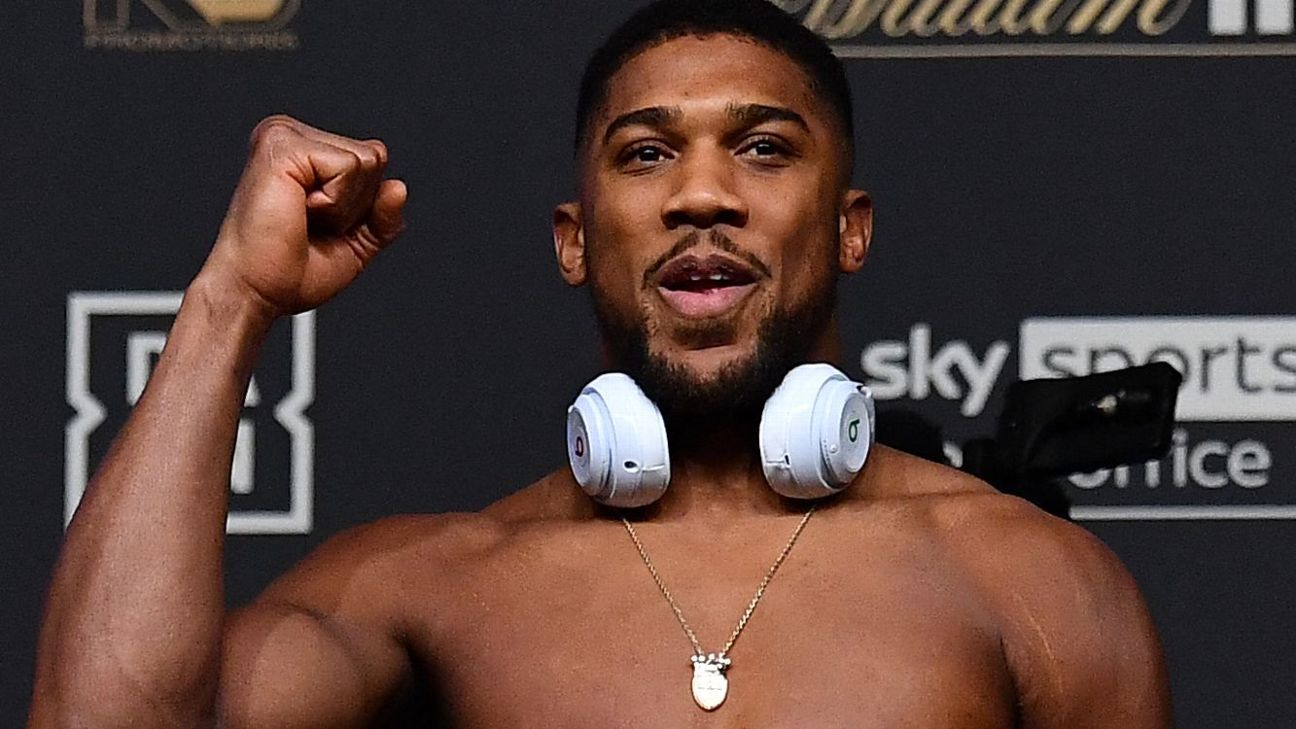
The Size Disparity: Analyzing Joshua vs.Paul and What It Means
Anthony Joshua and Jake Paul are set to clash in a bout generating notable buzz, and a key element driving the discussion is the considerable physical difference between the two fighters. Understanding these disparities – in weight and height – is crucial for assessing the potential dynamics of their upcoming fight.
weight Class Considerations
Dubois tipped the scales at 252 pounds in his recent fight. Paul, in contrast, weighed 227 pounds against Mike Tyson, marking the only time he’s exceeded the 200-pound cruiserweight limit. This illustrates a consistent weight difference between Paul and top-level heavyweight contenders.
Here’s a look at recent weigh-ins for both fighters:
Anthony Joshua – Recent Weigh-Ins
* Against Daniel Dubois: 252 pounds
* against Francis Ngannou: 252 pounds
* Against Otto Wallin: 251 pounds
Jake Paul – Recent Weigh-Ins
* Against Julio Cesar Chavez Jr.: 199 pounds
* Against Mike tyson: 227 pounds
* Against Mike Perry: 200 pounds
You can clearly see Joshua consistently fights at a heavier weight than Paul. This size advantage is a significant factor to consider.
The Height Advantage
Beyond weight, the height difference is also substantial. Paul stands at 6-foot-1, five inches shorter than Joshua. You have to go back eleven years and 22 fights to find an opponent of Joshua’s who was as short as Paul.
This isn’t a new pattern for Joshua. Though, it is a significant jump in size for Paul, who is typically facing smaller opponents. Joshua represents his largest opponent to date by a considerable four inches.
Past Context: Size and Success
While size isn’t everything, it’s a relevant factor. Consider Joshua’s past opponents:
* Andy Ruiz Jr. (6-foot-3) famously stunned Joshua, proving skill can overcome a size disadvantage.
* Carlos Takam (6-foot-1) presented a tough challenge despite his stature.
* Jermaine Franklin (6-foot-3) went the distance with Joshua, demonstrating resilience.
These examples show Joshua has faced skilled opponents who weren’t necessarily giants. However, they also highlight the difficulty of consistently overcoming a significant size difference.
A Dramatic Shift in Opponent Size for Paul
Interestingly, Paul was previously scheduled to fight Gervonta Davis, a five-foot-five, 135-pound fighter. That potential bout represents a stark contrast to the Joshua matchup. Paul has dramatically increased the size of his opponent - a full foot and 120 pounds – a jump of seven weight classes.
This shift presents a unique challenge for Paul. He’s stepping up against a much larger,more powerful opponent than he’s faced before.Anderson Silva, at 6-foot-2, was a previous opponent, but Silva fought at a significantly lighter weight (approximately 70 pounds less than Joshua) during his UFC career.
What Does It All Mean?
The size and weight differences are undeniable. Joshua possesses a clear physical advantage. However, boxing isn’t solely about size. skill, strategy, and conditioning all play vital roles. While Joshua’s size presents a challenge for Paul, it doesn’t guarantee victory.
Ultimately, the fight will come down to how effectively each fighter utilizes their strengths and exploits their opponent’s weaknesses. But understanding the physical disparities is the first step in analyzing this intriguing matchup.