Revolutionizing Healthcare construction: The Power of Prefabrication
The demands on modern healthcare systems are relentless. Communities need access to care faster, facilities must be built to the highest standards of quality and safety, and budgets are increasingly scrutinized. Customary construction methods often struggle to meet these challenges.Increasingly,forward-thinking healthcare organizations are turning to prefabrication – a game-changing approach that’s reshaping how hospitals,clinics,and care facilities are designed and built.
At Hoefer Welker, we’ve witnessed firsthand the transformative impact of prefabrication, and we believe it’s poised to become the standard for healthcare construction. This article explores the key benefits of this innovative methodology, demonstrates its growing market adoption, and highlights a recent project showcasing its real-world success.
What is prefabrication and Why is it Ideal for Healthcare?
Prefabrication, in its essence, involves shifting a significant portion of the construction process from the unpredictable jobsite to a controlled factory environment. this isn’t simply about assembling pre-made components; it’s a holistic approach that encompasses design for manufacturability, precise engineering, and rigorous quality control.
Here’s how prefabrication addresses the unique needs of the healthcare sector:
* Accelerated Project delivery: Healthcare facilities can’t afford lengthy construction timelines. Prefabrication dramatically reduces on-site build time by running parallel processes – foundation work can proceed while components are being manufactured off-site. This speed to market translates to earlier occupancy and quicker access to vital care for communities.
* Uncompromising Quality Control: The factory setting allows for consistent production conditions and meticulous inspection of every component before it reaches the site. This minimizes variability, reduces costly rework, and ensures a higher level of craftsmanship – critical in complex, highly regulated healthcare environments where precision is paramount.
* Enhanced Safety Performance: Off-site fabrication considerably reduces congestion and the number of trades working together on active construction sites. Workers operate in ergonomic, climate-controlled environments, minimizing exposure to hazards and contributing to safer projects with fewer on-site incidents.
* Optimized Costs & Resource Management: Prefabrication streamlines assembly, reducing labor costs and on-site hours. Precision cutting and automated production minimize material waste,simplifying recycling efforts. Faster project completion also delivers significant financial benefits, including reduced interest payments, lower overhead, and quicker return on investment.
* Sustainable Construction Practices: Factory-based construction inherently minimizes waste, noise pollution, and disruption at the jobsite. Off-site assembly of elements like plumbing and wall panels optimizes material layouts, further enhancing sustainability. Fewer deliveries and shorter build times contribute to a lower overall carbon footprint, aligning with the growing demand for environmentally responsible construction.
* mitigating the Labor Shortage: The construction industry faces a growing skills gap.Prefabrication offers a practical solution by shifting labor demands from unpredictable jobsites to controlled manufacturing facilities, improving productivity and reducing reliance on a dwindling pool of on-site tradespeople.
A Growing Market with Proven Results
Healthcare construction is leading the charge in prefabrication adoption, driven by the sector’s critical need for precision, repeatability, and rapid delivery. What was once primarily a coastal trend is now gaining significant momentum in the Midwest and across the nation.
The beauty of prefabrication is its scalability. Projects of any size can benefit, whether thru modular mechanical racks, prefabricated exterior wall panels, or fully integrated room assemblies.
Our team at Hoefer Welker has consistently demonstrated these benefits through strategic partnerships. We’ve seen measurable gains in speed, safety, quality, and cost performance across a diverse range of healthcare environments.
case Study: CHI Immanuel Family Health Clinic – A Prefabrication Success story
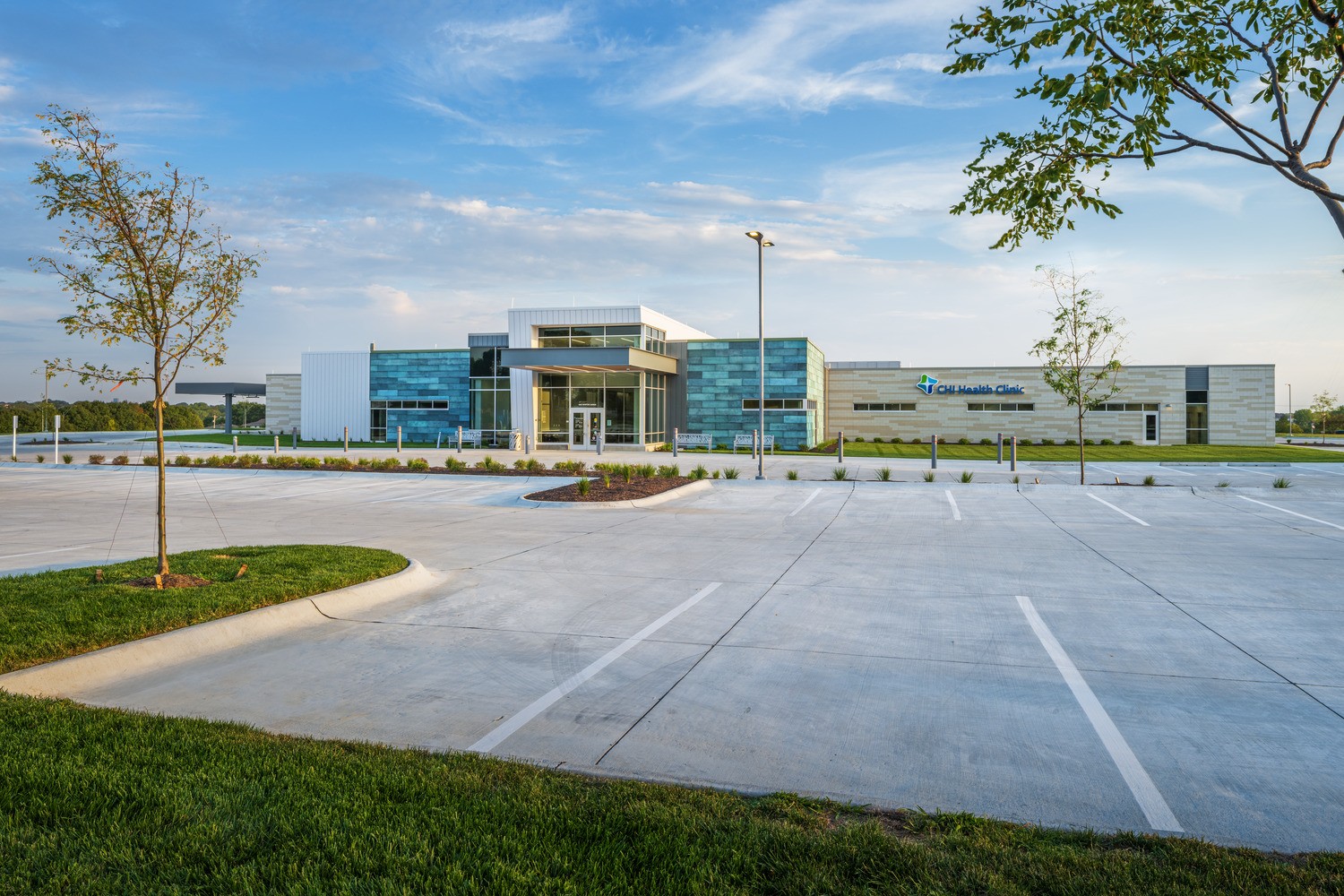
A recent example of the power of this approach is the CHI Immanuel Family Health Clinic in Omaha, nebraska, a 39,502-square-foot project completed in collaboration with mccarthy Building Companies, Inc. This project underscored the critical need for both speed to market and cost-effectiveness, all while navigating a challenging labor landscape.
From the outset, the project team recognized the potential of prefabrication to elevate quality, efficiency, and consistency.We explored various options, including “flat-pack” interior wall systems (akin to IKEA furniture assembly) and modular strategies like partial-height walls and panelized assemblies. Our focus was on identifying repeatable room types to maximize the benefits of off-site construction.
This collaborative approach allowed us to strategically implement prefabrication,resulting in a streamlined construction process and a facility delivered on time and within budget,ready to serve the community.
Looking Ahead: Future-Proofing Healthcare Facilities
Prefabrication isn’t just a trend; it’s a fundamental shift in how healthcare facilities are built. As the industry continues to evolve, embracing these innovative methodologies will be crucial for delivering high-quality,