Microplastics adn Heart Disease: Emerging Evidence of a Direct Link & Sex-specific Risk
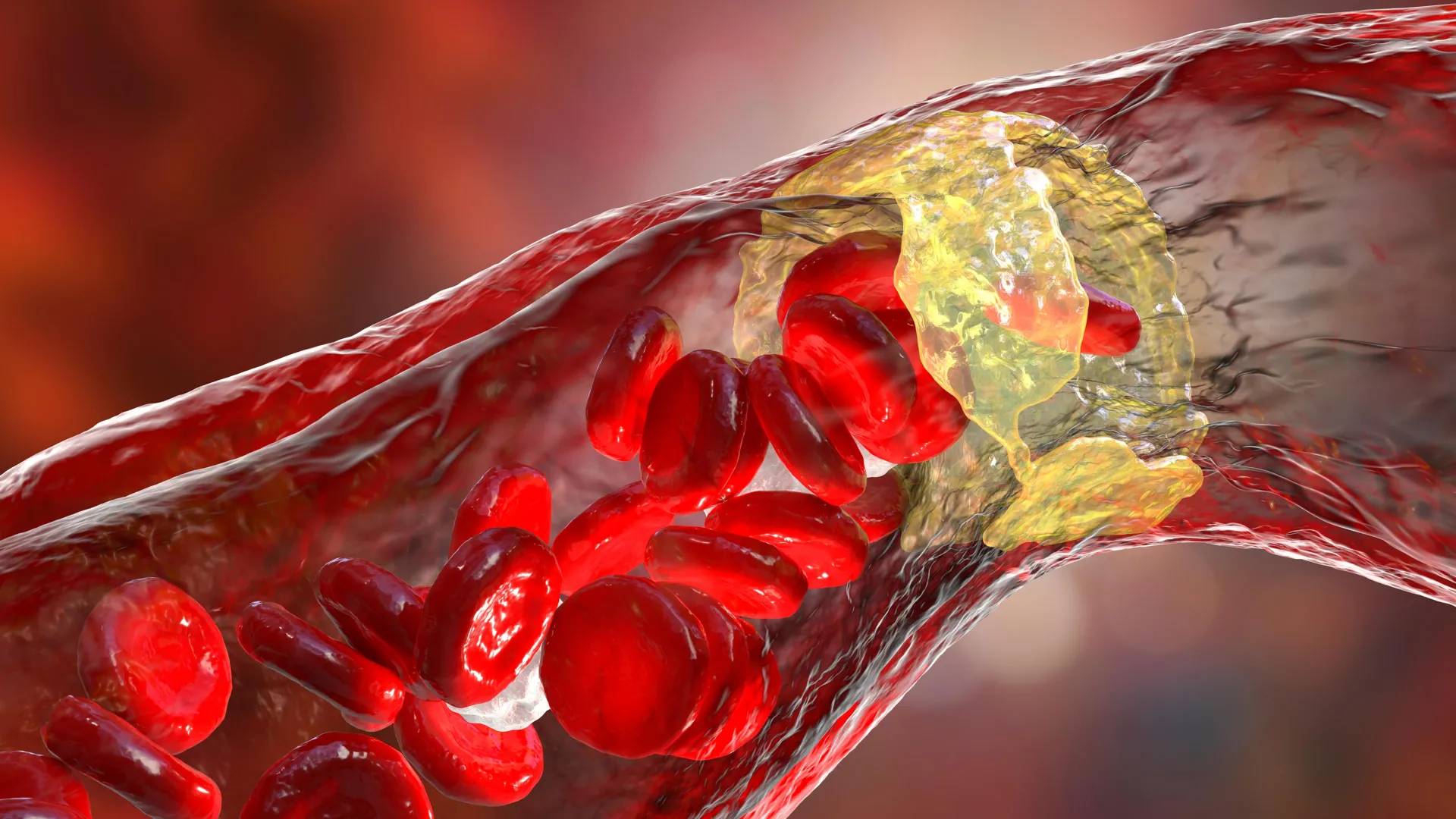
Microplastic pollution is ubiquitous, finding its way into our food, water, and even the air we breathe. While the long-term health consequences are still unfolding, a growing body of research points to potential cardiovascular risks.Currently, there are no proven methods to remove microplastics once they’ve entered the body, making preventative measures – minimizing exposure and prioritizing cardiovascular health – paramount. Recent groundbreaking research, published in Environment International, adds important weight to the concern, demonstrating a direct link between microplastic exposure and accelerated atherosclerosis, particularly in males.
Understanding the Growing Concern: Microplastic Exposure & Cardiovascular Health
For years, scientists have been documenting the presence of microplastics in human blood, lungs, and even placental tissue. This widespread exposure stems from the breakdown of larger plastic items – packaging, textiles, tires, and more – into particles less than 5 millimeters in size. Given the sheer volume of plastic produced globally, and its persistence in the environment, minimizing exposure is a critical public health challenge. This includes conscious choices like utilizing alternative food and water containers (glass, stainless steel), reducing reliance on single-use plastics, and prioritizing a whole-food diet over highly-processed options.
New Research Reveals direct Impact on Arterial Health
A team lead by Dr. Zhou at the University of California, Riverside, conducted a meticulously designed study utilizing a well-established mouse model of atherosclerosis – LDLR-deficient mice. These mice are genetically predisposed to developing plaque buildup in their arteries, mirroring the processes seen in human heart disease. The study’s strength lies in its realistic exposure scenario: mice were fed a diet mirroring that of a healthy individual and exposed to microplastics at a dosage (10 milligrams per kilogram of body weight) comparable to levels found in contaminated food and water sources.
Over nine weeks, the researchers observed a startling outcome: a significant acceleration of atherosclerosis, but exclusively in male mice. Specifically, males exposed to microplastics developed 63% more plaque in the aortic root and a dramatic 624% increase in plaque formation in the brachiocephalic artery. Crucially, this effect was independent of traditional cardiovascular risk factors. The mice maintained a healthy weight, and their cholesterol levels remained stable, ruling out obesity or hyperlipidemia as contributing factors.
How Microplastics Damage Arteries: A Cellular Level Investigation
The research didn’t stop at observing plaque buildup. dr. Zhou’s team employed cutting-edge single-cell RNA sequencing to delve into the cellular mechanisms at play. This powerful technique allowed them to analyse gene activity within individual cells, revealing that microplastic exposure profoundly disrupted the function of endothelial cells – the vital cells lining the inner walls of blood vessels.
“Endothelial cells are the first line of defense, directly encountering circulating microplastics,” explains Dr.Zhou.”Their dysfunction initiates inflammation and sets the stage for plaque formation.”
Further investigation confirmed the presence of fluorescently-labeled microplastics within arterial plaques, mirroring findings from human studies that have detected microplastics in arterial lesions. Importantly, the study demonstrated that microplastics activated pro-atherogenic gene pathways in both mouse and human endothelial cells, suggesting a conserved biological response across species.this strengthens the argument for a direct causal link, rather than mere correlation.
The Enigma of Sex-Specific Vulnerability
Perhaps the most intriguing finding of this study is the stark difference in susceptibility between male and female mice. While both sexes were exposed to the same microplastic dosage, only males exhibited accelerated atherosclerosis. This observation opens up a critical avenue for future research.
“The sex-specific effect is a key puzzle,” Dr. Zhou notes. “Understanding why males are more vulnerable could reveal protective factors or mechanisms present in females that could be harnessed to mitigate risk.” Potential explanations could involve hormonal differences,variations in immune responses,or differing metabolic processes.
Looking Ahead: Future Research & Implications for Human Health
Dr. Zhou and her team are now focused on unraveling the mechanisms behind this sex-specific vulnerability and investigating the impact of different types and sizes of microplastics on vascular health. They are also planning studies to determine if similar patterns are observed in human populations.
This research underscores the urgent need for a multi-faceted approach to address microplastic pollution.Beyond reducing individual exposure, systemic changes are required to curb plastic production and improve waste management practices.
Protecting Your Cardiovascular Health in the Age of Microplastics:
While research continues, proactive steps can be taken to minimize risk:
* reduce Plastic Consumption: Prioritize reusable containers, water bottles, and shopping bags.
* Filter Your Water: Consider using a high-quality water filter certified to remove microplastics.
* Choose Whole Foods: Limit processed foods packaged in plastic.
Worth a look