Maximizing Your ryobi Battery Performance & Lifespan: A Complete Guide
Ryobi’s One+ system has become a staple for DIY enthusiasts and professionals alike, offering a versatile and expanding range of cordless tools. Understanding the nuances of your Ryobi batteries – beyond just voltage – is crucial for getting the most out of your investment. This guide will break down the differences, proper handling, and best practices to ensure your batteries deliver reliable power for years to come.
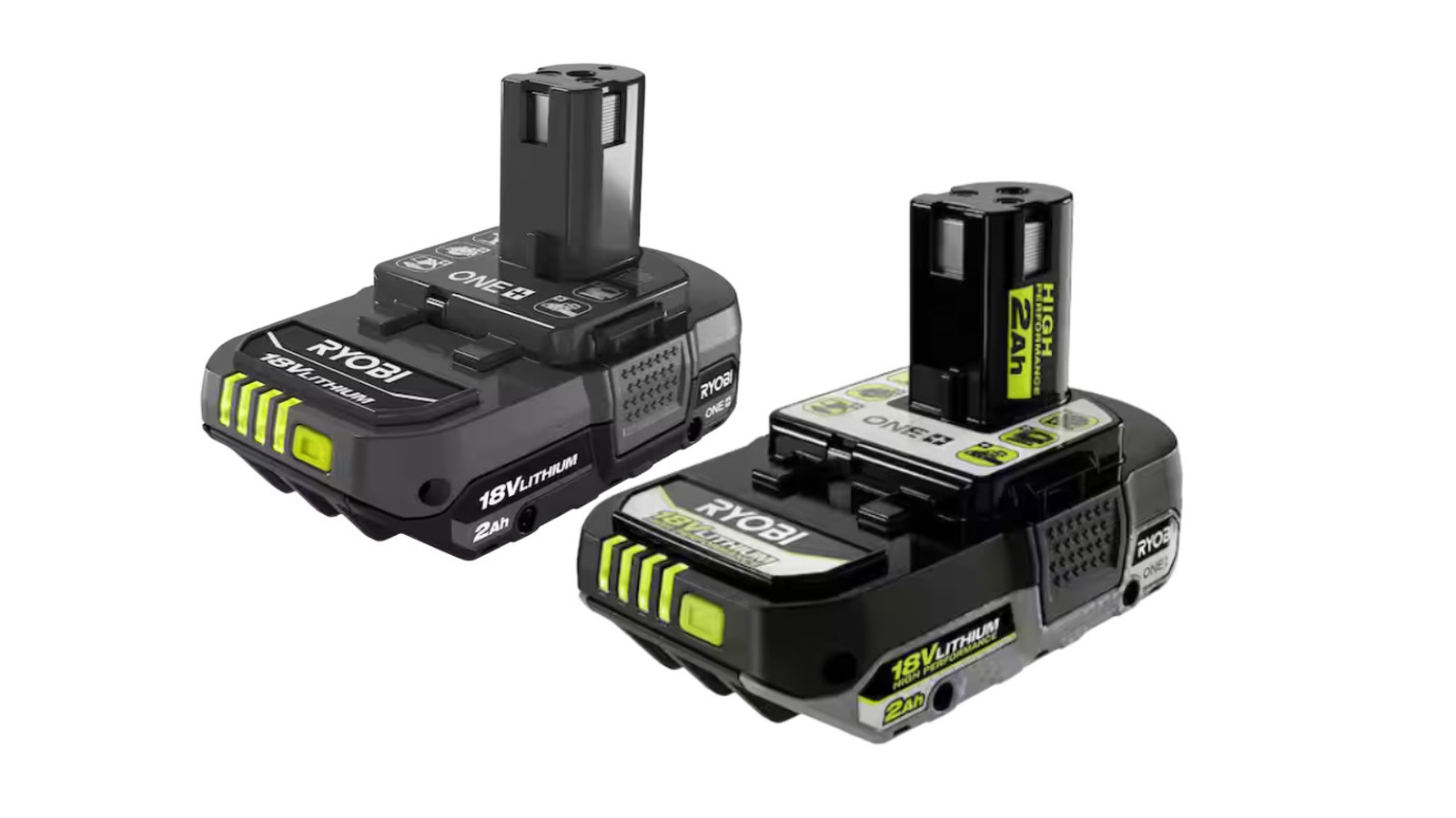
Decoding Ryobi Battery Types: Compact vs.High Performance (HP)
Ryobi offers a variety of batteries, often categorized by amp-hours (Ah), but the real distinction lies between standard and High Performance (HP) models. While Ah indicates runtime capacity, HP batteries represent a significant leap in technology.
Here’s a breakdown:
* Runtime & Power: HP batteries deliver noticeably increased power and extended runtime compared to standard Ryobi batteries.
* Internal technology: They utilize more advanced cell chemistry and superior thermal management systems.
* Durability: this advanced design minimizes overheating, a common issue with some Ryobi batteries, and ensures better performance under demanding conditions and extreme temperatures.
* Longevity: Over time, HP batteries consistently demonstrate greater durability and a longer lifespan.
However, HP batteries aren’t without trade-offs:
* Weight: They are generally heavier than compact batteries.
* Charge Time: Expect longer charging times.
* Cost: HP batteries typically come with a higher price tag. For example, an 18V HP 3-pack can cost around $99.33 per battery, while a 2.0Ah 2-pack is closer to $49.50 per battery.
Ryobi One+ System: Worldwide Compatibility
Fortunately, all Ryobi batteries fall under the One+ system, guaranteeing compatibility across their extensive line of over 300 tools. This means you can seamlessly swap batteries between different tools,minimizing downtime on the job. Just remember: you can only use batteries that match the tool’s voltage requirement. Ryobi batteries are not interchangeable between voltage classes.
Best Practices for Ryobi Battery Care & Storage
Proper handling is paramount to maximizing the life and performance of your Ryobi batteries. Follow these guidelines to ensure years of reliable service:
* Keep them Dry: Avoid exposing your batteries to moisture.
* Clean Carefully: Wipe them down with a dry cloth when needed.
* Prevent Short Circuits: Never allow batteries to come into contact with metal objects. This can cause a hazardous short circuit, possibly leading to fire or explosion.
* Dedicated Storage: While a toolbox can work with precautions, storing batteries in a dedicated case is the safest option.
* Optimal Storage Charge: Don’t store batteries fully charged or completely depleted.
* Regular Monitoring: Periodically check the charge level during storage. If it drops too low, give it a partial recharge.
By following these simple steps, you’ll ensure your Ryobi batteries remain in top condition, delivering the power you need for every project. Investing in proper care will save you money in the long run and keep you working efficiently.