unveiling a Transnational Threat: The ISI-Backed Terror Module and the Lawrence Bishnoi Gang
The recent operation by Punjab Police near Ludhiana’s Ladowal Toll Plaza has exposed a deeply concerning network – a multi-state terrorism module allegedly backed by Pakistan’s Inter-Services Intelligence (ISI) and linked to the notorious Lawrence Bishnoi gang. This incident, occurring on November 20, 2025, underscores the evolving landscape of security threats in India, blending organized crime with terrorist activities. Understanding the intricacies of this connection, the operational details, and the broader implications is crucial for both security professionals and the informed public. This article delves into the specifics of the operation,analyzes the potential motives,and explores the future challenges in combating such transnational threats.
The Ludhiana Encounter: A Detailed Account
On thursday, November 20th, 2025, Punjab Police engaged in a firefight with suspected terrorists near the Ladowal Toll Plaza on the delhi-Amritsar National Highway. The operation stemmed from the earlier arrest of individuals in Haryana and Bihar, who, during interrogation, revealed details about a larger network. These initial arrests yielded the recovery of hand grenades, signaling a potential for imminent attacks.
Did You Know? the lawrence Bishnoi gang, already infamous for its involvement in extortion, murder, and other criminal activities, has increasingly been suspected of forging alliances with terrorist groups to expand its influence and financial resources.
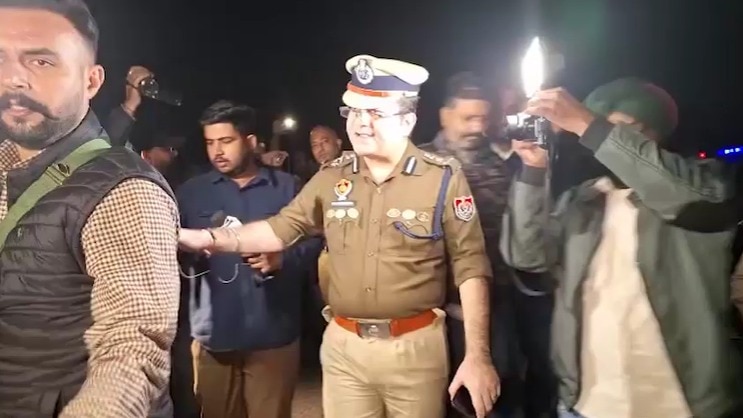
As police moved to apprehend the remaining suspects, they were met with gunfire, prompting a retaliatory response. Two terrorists sustained injuries in the exchange, with one reported to be in critical condition. Authorities recovered a significant cache of weapons from the scene, including two hand grenades, four pistols, and over 50 cartridges. Police Commissioner Swapan Sharma confirmed the module’s connection to the ISI and indicated that the group was allegedly planning a major attack, though further details remain under investigation. The injured were initially treated at a private hospital before being transferred to a civil hospital for continued care.
The ISI-Bishnoi Nexus: A Growing Concern
The alleged link between the ISI and the lawrence Bishnoi gang represents a dangerous escalation in India’s security challenges. While the exact nature of this collaboration is still being investigated, experts suggest several potential motives. The ISI may be leveraging the gang’s existing criminal infrastructure – its network of operatives,logistical capabilities,and knowledge of local terrain – to facilitate terrorist activities within India. In return, the gang could receive financial support, weapons, and protection from law enforcement.
Pro Tip: Staying informed about emerging security threats requires diversifying your news sources and critically evaluating information. rely on reputable news organizations and official government statements.
this alliance isn’t entirely surprising. The Bishnoi gang’s reach extends across multiple states, including Punjab, Haryana, Rajasthan, and Delhi, providing a convenient platform for operating undetected. Furthermore, the gang’s history of violence and disregard for the law makes it an attractive partner for an association like the ISI, which seeks to destabilize the region.
Here’s a swift comparison of the key players involved:
| Entity | Role | Key Characteristics |
|---|---|---|
| ISI | Alleged Sponsor | Pakistan’s intelligence agency; accused of supporting cross-border terrorism. |
| Lawrence Bishnoi Gang | Criminal Network | Infamous for extortion, murder, and organized crime; operates across multiple states. |
| Punjab Police | Law Enforcement | Responsible for maintaining law and order in Punjab; leading the investigation. |
Implications for National Security & Counter-Terrorism Strategies
The uncovering of this module raises several critical questions about India’s national security apparatus. How did this network manage to operate undetected for so long? What vulnerabilities in the existing security framework allowed for this collaboration to flourish? And what steps can be taken to prevent similar incidents in the future?
Effective counter-terrorism strategies must evolve to address these new challenges. This includes:
* Enhanced Intelligence Gathering: Strengthening intelligence networks to proactively identify and disrupt potential terrorist plots.
* Inter-Agency Coordination: Improving interaction and collaboration between different law enforcement agencies and
Keep reading