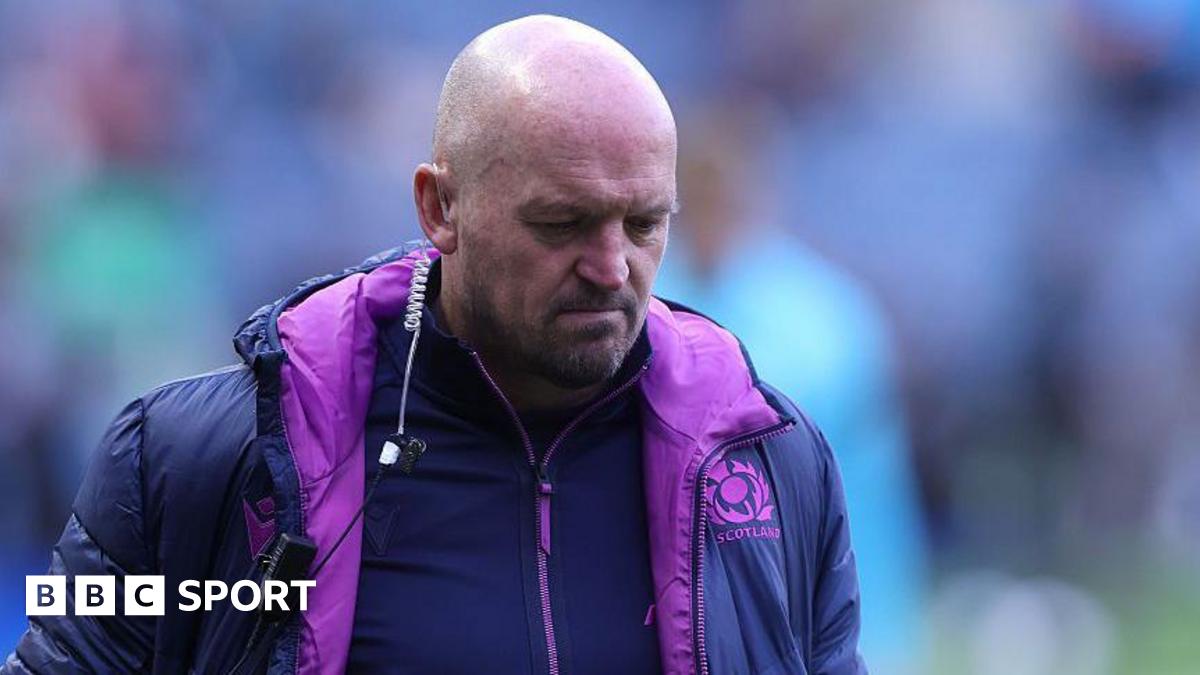
Scotland’s Rugby Rollercoaster: Talent,Flakiness,and a Psychological Hurdle
Scotland’s recent rugby performances have been a frustrating paradox. Just weeks ago, things appeared to be on the upswing for the national team.The coach was enjoying what felt like the best period of his eight-year tenure,complemented by a new consulting role with Red Bull.However, a dramatic shift has occurred, leaving fans and analysts questioning the team’s trajectory.
The current situation is stark. Scotland is now facing criticism after squandering a commanding 21-point lead against Argentina. Furthermore, the Scottish Rugby Union (SRU) seems hesitant to address concerns about the team’s performance.an upcoming match against Tonga feels almost inconsequential in light of recent setbacks.
while a win against Tonga is likely, it won’t mask the underlying issues.Scotland had a golden opportunity to demonstrate genuine progress against New Zealand and Argentina, but they faltered. This has reinforced a growing perception of the team as talented yet inconsistent, a side treading water under a long-standing coaching regime.
Scotland undoubtedly possesses quality. Only a capable team could surge to a 21-0 advantage against a formidable Argentina side. Similarly, only a good team could score 17 unanswered points against the All Blacks, creating numerous additional scoring chances.
Though, this potential is consistently undermined by uncharacteristic errors. Losing a 21-point lead is a prime example of a mistake a top-tier team simply shouldn’t make. Panicking and conceding soft penalties in crucial moments against New Zealand further highlights these issues.
This duality is a recurring theme. You never quite know which Scotland will show up - the brilliant, attacking side or the error-prone, mentally fragile one. They started poorly against New Zealand, then exploded against Argentina, only to falter again. A brief rally against Argentina, sparked by a finn Russell penalty, was quickly extinguished.
Ultimately, this cycle of underperformance points to a deeper psychological barrier. the team remains hampered by its own mental weaknesses.
Consider this statistic, highlighted by analyst Kevin Millar, focusing on the final 25 minutes of scotland’s last five games against top-12 ranked opponents:
* Scotland 3-33 Argentina
* Scotland 3-7 New Zealand
* Fiji 14-0 Scotland
* France 12-0 Scotland
* Scotland 0-21 Wales
The results are concerning: four losses in five games, a mere six points scored, and a staggering 87 conceded. The penalty count tells a story of its own – two penalties for, and 13 tries against.
What does this mean for you, the Scotland supporter? It suggests a pattern of collapsing under pressure. It indicates a need to address the mental fortitude of the squad.
To move forward, Scotland needs to:
* Address the late-game collapses: Identify the triggers and develop strategies to maintain composure.
* Strengthen mental resilience: Invest in sports psychology to build confidence and manage pressure.
* Evaluate the coaching regime: Determine if a fresh perspective is needed to unlock the team’s full potential.
Scotland has the talent to compete with the best. But talent alone isn’t enough. Overcoming this psychological hurdle is crucial if they want to consistently deliver on their potential and become a genuine force in international rugby.
Related reading