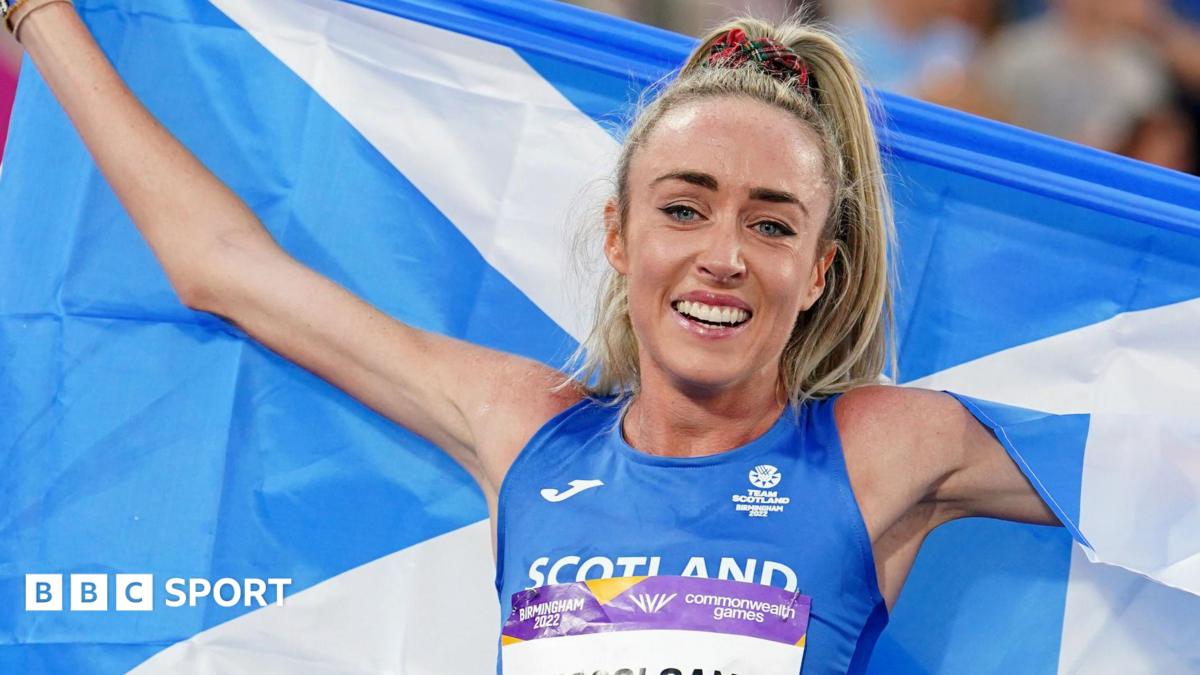
Scottish distance running star Eilish McColgan will miss the opportunity to defend her Commonwealth Games 10,000m title on home soil after failing to recover sufficiently from a persistent foot fracture. The reigning champion, who famously captured gold at the Birmingham 2022 Commonwealth Games with a thrilling run at Alexander Stadium, has been forced to rule herself out of contention as training loads proved too demanding for her healing bone.
According to updates regarding her rehabilitation and competitive schedule, the injury has required a cautious and prolonged recovery period, preventing her from reaching the peak physical condition necessary for international championship racing. For McColgan, missing a major home-nation competition marks a frustrating setback in an otherwise stellar career defined by resilience, national records, and multiple global championship appearances.
The absence of the 33-year-old athlete leaves a significant competitive void in the long-distance events, altering the strategic outlook for national athletics selectors and rival contenders alike. As sports fans and training analysts look toward upcoming qualification windows, attention turns to how the broader endurance squad will adapt without one of its most decorated championship performers.
Understanding the Impact of the Foot Fracture
Stress fractures and bone injuries in the foot pose unique challenges for elite distance runners, whose training volumes often exceed one hundred miles per week. According to sports medicine specialists, structural stress in the metatarsal or tarsal bones demands absolute compliance with unloading protocols to avoid chronic complications or recurring fractures.
McColgan first encountered severe setbacks related to foot and knee issues following her historic gold-medal performance in Birmingham, where she set a Games record of 30:48.60 in the 10,000m. That race, roared on by a packed partisan crowd, cemented her legacy in British athletics. However, the subsequent rehabilitation process has tested her patience, forcing her to withdraw from several high-profile marathons and track meetings over the past two seasons.
Athletes at this level operate on razor-thin margins between optimal conditioning and overtraining. When a bone injury fails to heal within anticipated timelines, medical teams typically advise a complete halt to high-impact running until imaging confirms complete cortical healing. Rushing back too quickly risks catastrophic setbacks that could jeopardize future Olympic and European championship cycles.
The Road Ahead for Scottish Athletics
The absence of McColgan alters the competitive dynamics for the Scottish track and field team as preparations ramp up for the upcoming Games cycle. Coaches and performance directors must now look to emerging talent to step into the leadership and medal-contending roles traditionally filled by established veterans.
While missing a home defense is undoubtedly painful for any competitor, McColgan has previously demonstrated an ability to bounce back from adversity. Throughout her career—which includes multiple Olympic appearances, a Commonwealth silver medal in the 5,000m from Glasgow 2014, and a European 10,000m silver medal in Munich—she has consistently navigated injuries through disciplined cross-training and meticulous medical oversight.
Supporters and federation officials await further updates from McColgan’s management team regarding her phased return to running and her long-term competitive calendar. Official announcements and performance updates will be published through Scottish Athletics and World Athletics channels as her rehabilitation progresses toward full weight-bearing training.