Decoding Robot Vacuum Specs: Beyond Suction & Runtime
Robot vacuum cleaners pack a surprising amount of technology into a small package. However, the sheer number of specifications, coupled with manufacturers often highlighting just one feature, can leave you feeling overwhelmed. You’re not alone!
When shopping for a robot vacuum – one that both vacuums and mops - consumers understandably focus on suction power,docking station capabilities,and battery life. A speedy look at Amazon or similar sites confirms this; suction stats and runtime are prominently displayed. But here’s a crucial point: not everything you read is the whole truth. Manufacturers sometimes stretch claims to entice buyers.
The Illusion of Long Runtime: what You Need to Know
Robot vacuums fundamentally need to do two things well: vacuum and mop. A fancy docking station is a bonus. The real key to a good experience? Reliable battery life.You’ve likely seen the bold claims: “up to 180 minutes of runtime!” While appealing, this number rarely reflects real-world performance.
Manufacturer-provided runtime figures are frequently enough optimistic, calculated under ideal laboratory conditions. Think smooth floors, empty dustbins, no carpets, zero obstacles, and – most importantly – the lowest power setting.
Here’s what happens when you move to your home:
* Increased Suction = Faster Drain: Boosting suction power significantly increases battery consumption.
* Battery Degradation: Like all rechargeable batteries, capacity diminishes with each charge cycle (typically a few hundred).
* Real-World Obstacles: Carpets, furniture, and even floor transitions demand more power.
Despite thes caveats,some brands consistently deliver better endurance. Testing has shown Dreame, Mova, and Roborock models to be among the longest-lasting.
Maximizing Your Robot Vacuum’s battery Life
Don’t despair! You can extend your robot vacuum’s runtime and overall lifespan. Here’s how:
* Embrace Partial Charges: You don’t always need to charge to 100%. Frequent, shorter charges can be kinder to the battery.
* Regular maintenance is Key: A well-maintained robot works more efficiently. This includes:
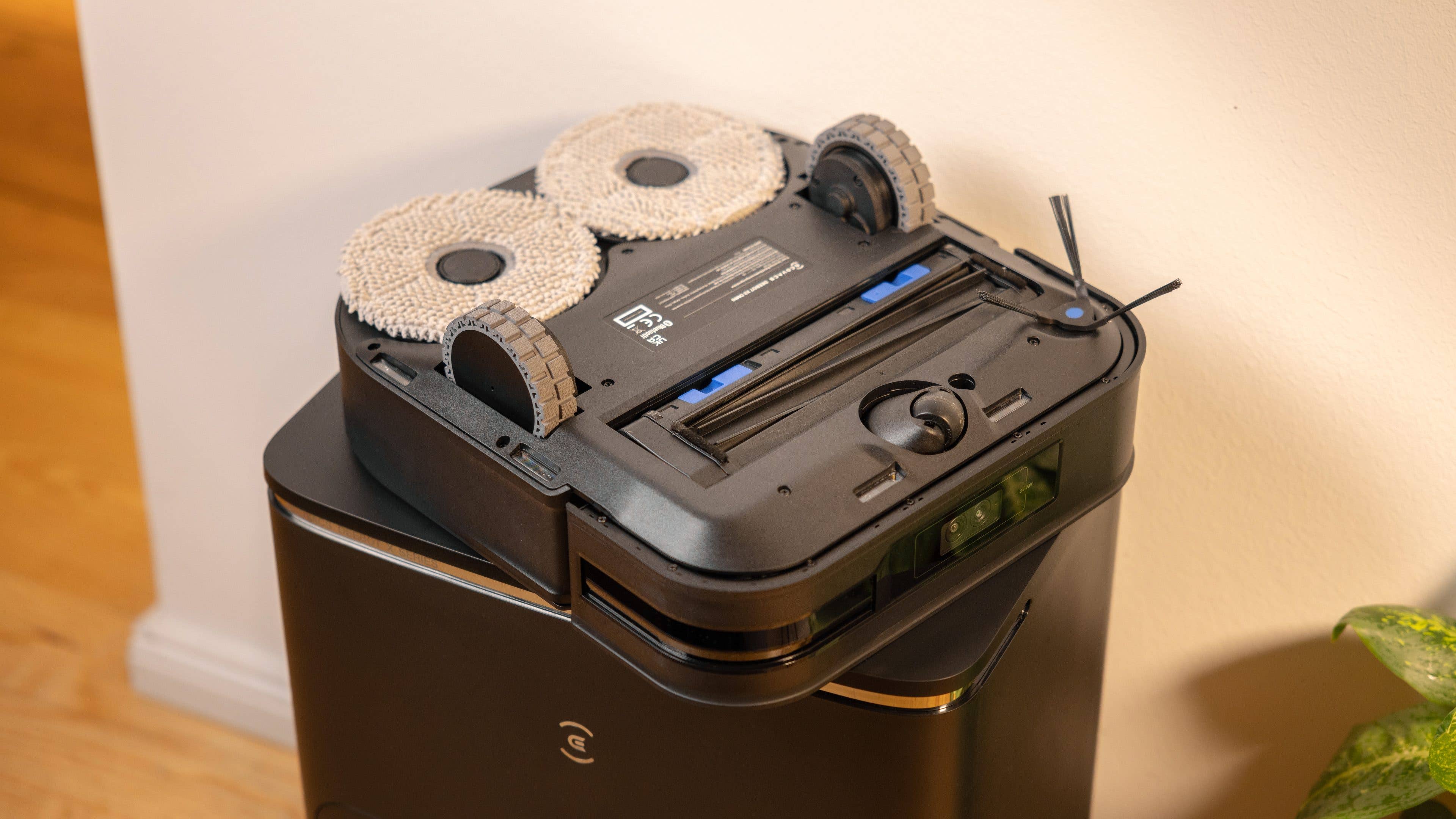
* replacing the side brush regularly.
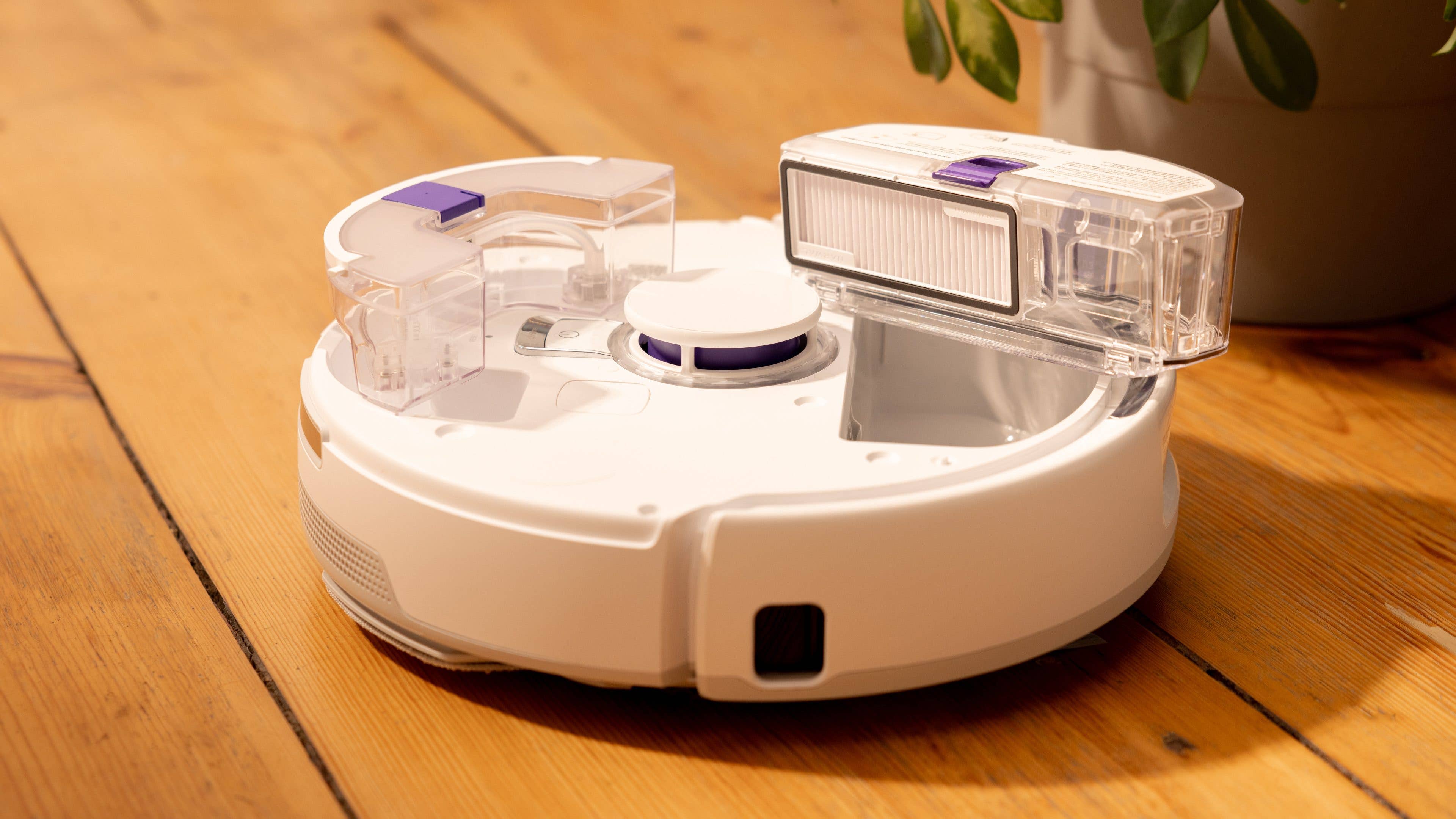
* Changing filters as recommended.
* Emptying the dustbin after each use.
* Optimize Cleaning Schedules: Consider breaking larger areas into smaller, scheduled cleaning sessions. This prevents the robot from running until the battery is critically low.
Beyond Battery Life: What Else Matters?
While runtime is vital,don’t get fixated on a single number. Consider these factors when choosing a robot vacuum:
* Suction Power (Pa or Air Watts): Higher numbers generally mean better cleaning on carpets.
* Navigation System: Look for LiDAR or vSLAM technology for efficient and accurate mapping.
* Mopping Functionality: Is it a simple drag mop, or does it offer scrubbing action and adjustable water levels?
* App Features: A user-kind app allows for scheduling, zone cleaning, and virtual boundaries.
* Dustbin Capacity: Larger dustbins mean less frequent emptying.
Don’t fall for marketing hype. Focus on finding a robot vacuum that meets your specific needs and cleaning habits. A little research and realistic expectations will go a long way toward a satisfying experience.