Preparing for Any Emergency: A Thorough Guide to Building Your Household Resilience Kit
Disasters, whether natural or man-made, can disrupt life quickly. Being prepared isn’t about fear; it’s about empowering yourself and your family to navigate challenging situations with confidence. As experts in preparedness, we’ve distilled essential guidance – drawing from official recommendations – into a practical checklist to help you build a robust household emergency kit. This guide will cover everything from basic supplies to navigating misinformation, ensuring you’re ready for almost anything.
Why Prepare?
The ability to be self-sufficient for at least 72 hours – and ideally longer – is crucial. During emergencies, first responders may be overwhelmed, and access to essential services like electricity, water, and communication networks could be compromised. A well-stocked kit minimizes disruption and maximizes your safety and comfort.
Building your Emergency Kit: Essential Components
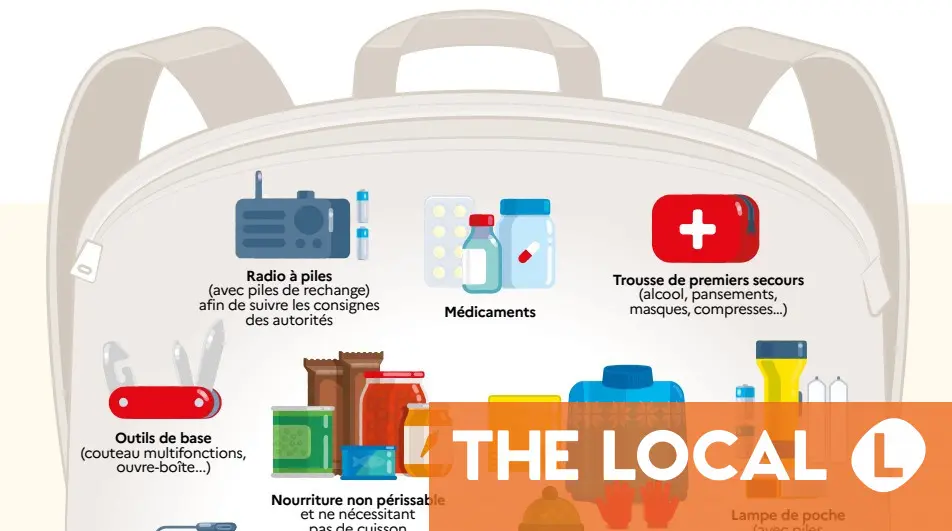
Hear’s a breakdown of what your kit should include, categorized for clarity. Remember to tailor this list to your specific needs,considering factors like family size,medical conditions,and location.
1. Food & Water: sustaining Life
* Water: Store at least six liters of water per person for drinking and sanitation.
* Non-Perishable Food: Focus on items requiring no cooking. Canned goods, dried fruits, nuts, and energy bars are excellent choices.
* Don’t forget: A manual can opener if you’re relying on canned food.
* Special Needs: Include baby formula, pet food, and dietary necessities if applicable.
* Comfort items: Tea, coffee, and other preferred beverages can boost morale.
2. Staying Warm & Safe: protecting Against the Elements
* Warmth: Pack blankets, sleeping bags, and thermal clothing (hat and gloves included).
* Lighting: A reliable torch (flashlight) is essential. Candles and matches are useful backups, but exercise extreme caution.
* First Aid: A comprehensive first-aid kit is non-negotiable.
* Medication: Include a supply of any vital medications, copies of prescriptions, and a spare pair of glasses if you wear them.
* Hygiene: Hand gel and masks are crucial for maintaining hygiene.
3.Staying Connected: Facts is Power
* battery-Operated Radio: Stay informed with updates even when the power is out.Don’t forget spare batteries.
* Power Bank: An external battery can recharge your phone when outlets are unavailable.
* Phone Charger: A spare charger is a simple but vital addition.
* Multi-Tool: A multi-function knife is incredibly versatile.
4. essential Documents & Finances: Practical Considerations
* Cash: Electronic payments might potentially be unavailable during a crisis. Keep a stock of small bills.
* Important Documents: Make photocopies of ID, prescriptions, insurance information, and other vital records. Store them together in a waterproof file.
* Keys: Include copies of your house and car keys.
5. Maintaining Morale: Don’t Underestimate Entertainment
* Entertainment: Books, board games, cards, or other activities can help alleviate stress and boredom.
maintaining Your Kit & Staying Informed
Your emergency kit isn’t a “set it and forget it” item.
* Regular Checks: Inspect your kit at least twice a year.
* Replace Expired Items: Rotate food, water, and medications to ensure freshness. Replace batteries regularly.
* Stay Updated: Familiarize yourself with local emergency plans and communication channels.
Navigating Misinformation: A Critical Skill
In times of crisis,misinformation can spread rapidly,exacerbating fear and hindering effective response. Be vigilant and rely on official sources.
* Official Channels: Follow government websites, préfecture and mairie communications, and reputable news broadcasters.
* Beware of Social Media: Verify information before sharing it.
* recognize Manipulation: Be aware that adversaries may attempt to exploit crises through disinformation campaigns, including the use of artificial intelligence to create fake videos.
Resources:
* French Government Guide (in French): [https://wwwsgdsngouvfr/files/files/Publications/Guide_Tous%2[https://wwwsgdsngouvfr/files/files/Publications/Guide_Tous%2[https://wwwsgdsngouvfr/files/files/Publications/Guide_Tous%2[https://wwwsgdsngouvfr/files/files/Publications/Guide_Tous%2
Related reading