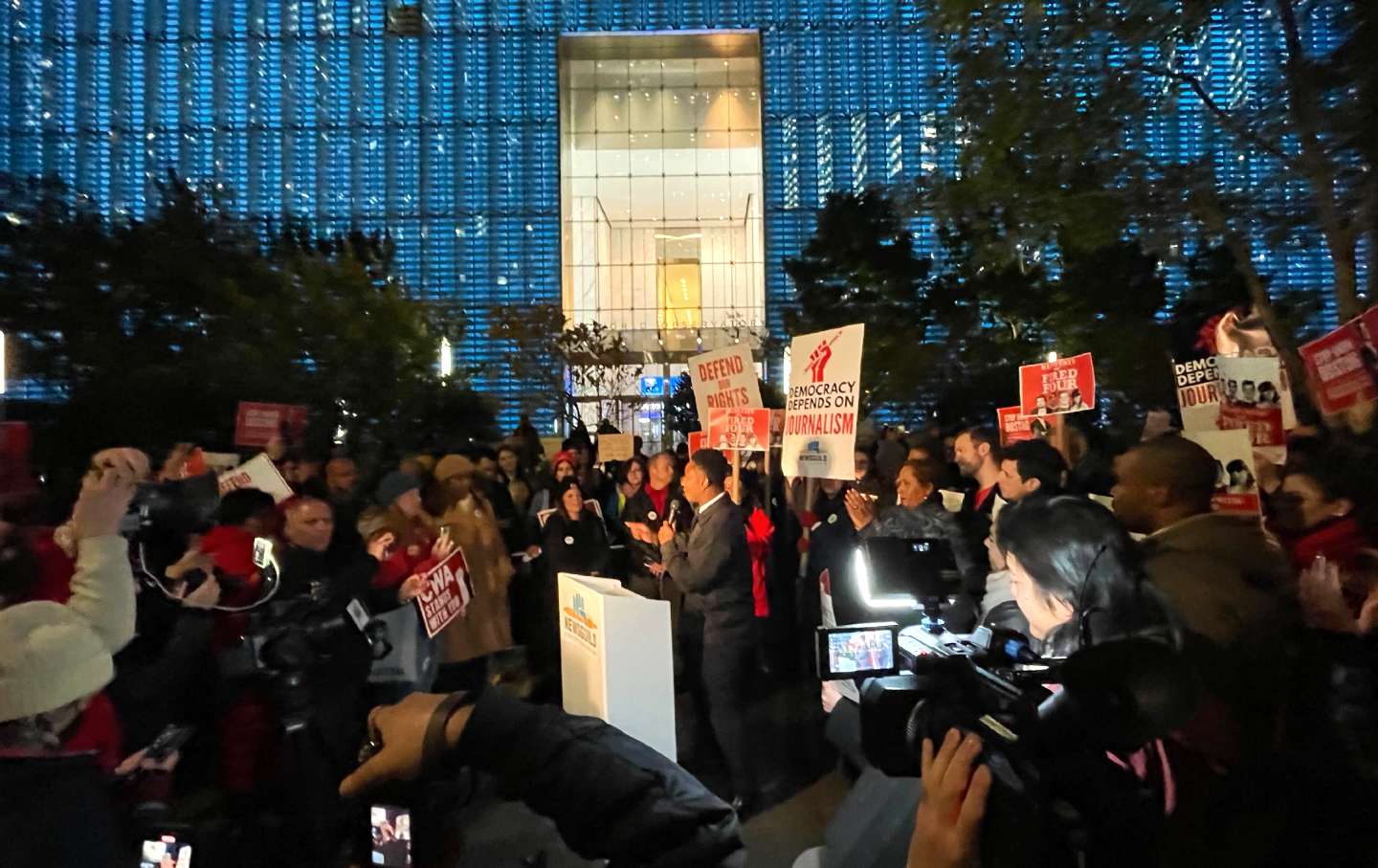
Navigating a job loss is undeniably challenging,but understanding your rights and options can empower you during this transition. It’s crucial to remember you’re not alone, and resources are available to help you secure a fair outcome. Here’s a breakdown of key considerations when facing an unexpected job termination.
Understanding Your termination Rights
Generally, most employment in the United states operates under the “at-will” doctrine. This means your employer can terminate your employment for any reason that isn’t illegal. however, several exceptions exist, protecting you from wrongful termination.
* Discrimination: Federal and state laws prohibit firing someone based on protected characteristics like race, religion, gender, age, disability, or national origin.
* Retaliation: Employers can’t fire you for reporting illegal activities (whistleblowing), filing a workers’ compensation claim, or participating in protected activities like union organizing.
* Breach of Contract: If you have an employment contract, your employer must adhere to its terms regarding termination.
* Public Policy: Some states protect employees fired for refusing to violate the law or for exercising a legal right.
What to Do Immediately After Termination
The initial shock can be overwhelming, but taking swift action is vital. Here’s a checklist to guide you:
- Review Your Termination Paperwork: Carefully examine any documents presented to you, including severance agreements. Don’t sign anything without understanding its implications.
- Gather Crucial Documents: Collect your employment contract (if applicable), performance reviews, pay stubs, and any documentation related to your job duties.
- Understand Your Benefits: Clarify the continuation of health insurance (COBRA), retirement plan options (401(k) rollover), and any accrued vacation time payout.
- File for Unemployment: apply for unemployment benefits as soon as possible. Eligibility requirements vary by state.
- Document Everything: Keep a detailed record of all communications with your former employer,including dates,times,and summaries of conversations.
Severance Agreements: What You Need to Know
A severance agreement is a contract offered by your employer in exchange for a release of claims. It typically includes a lump-sum payment, continued benefits, or outplacement services.
* Negotiate the Terms: Severance agreements are often negotiable. You may be able to request a larger payment, extended benefits, or assistance with job searching.
* Seek Legal Counsel: Before signing a severance agreement, it’s highly recommended to consult with an employment attorney. They can review the terms and advise you on weather it’s fair and protects your rights.
* understand the Release of claims: A severance agreement usually requires you to waive your right to sue your former employer. Ensure you fully understand the scope of this waiver.
Addressing Potential Wrongful Termination
If you believe your termination was illegal, you have options.
* Consult with an Attorney: An employment lawyer can assess your case, explain your legal options, and represent you in negotiations or litigation.
* File a Charge with the EEOC: if you suspect discrimination, you must file a charge with the Equal Employment Opportunity Commission (EEOC) within 180 days of the termination.
* Consider Mediation: Mediation can be a cost-effective way to resolve disputes with your former employer.
Protecting Your Professional Reputation
A job loss can be stressful, but maintaining a positive professional image is crucial.
Worth a look