Why Didn’t Russia or China Veto the U.S. Gaza Resolution? A Strategic Analysis
The recent United Nations Security Council resolution regarding Gaza, stemming from a U.S. draft, passed without the expected vetoes from Russia or China. This outcome has sparked considerable debate and, frankly, perplexity among observers. Following a detailed conversation with Professor John Mearsheimer – part of our ongoing “Gaza & the World” series – both he and I were left questioning the rationale behind this abstention.
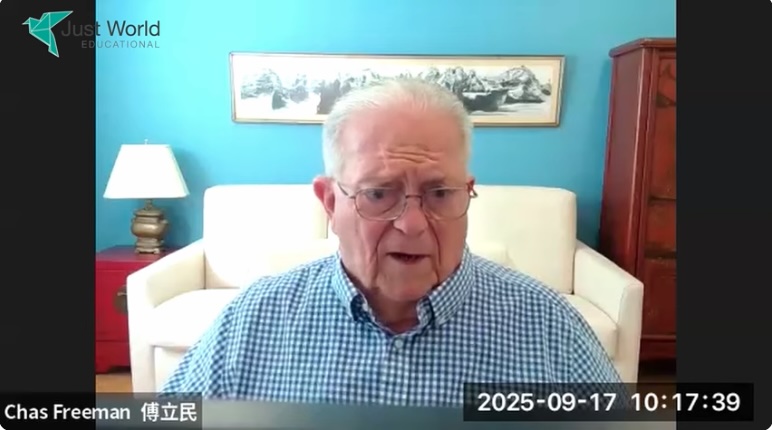
Fortunately, Ambassador Chas W. Freeman, Jr., a seasoned diplomat with deep understanding of both China and West Asia, offered insightful perspectives after reviewing the conversation transcript. His analysis, shared here with permission, sheds light on the strategic calculations at play.
Decoding Beijing’s Position
Ambassador Freeman doesn’t find China’s abstention “inexplicable” at all.He outlines several key factors influencing Beijing’s decision:
* Strategic Neutrality: China consistently maintains a neutral stance in disputes between nations with which it seeks positive relations. This is a cornerstone of their foreign policy.
* Respect for Arab Consensus: Traditionally, China defers to the collective position of Arab nations. Notably, many Arab states sadly endorsed a version of the Trump plan.
* Shared Assessment of the Trump Plan: Both China and Russia, like Professor Mearsheimer and myself, anticipate the Trump plan for Gaza will prove ultimately unworkable. They foresee it will further erode the United States’ international standing. why actively oppose a self-defeating initiative?
* Pragmatic Diplomacy: China prioritizes engagement with existing power structures. They maintain relationships with both those in power and those outside it, but avoid overtly pandering to the latter.
Essentially, China’s decision wasn’t a signal of support for the U.S. resolution, but a calculated move rooted in its long-term strategic interests. As Freeman concludes, while a different stance would have been preferable, the outcome isn’t surprising given these factors.
A broader Context: Freeman’s earlier Insights
this analysis builds upon a previous, in-depth conversation I had with Ambassador Freeman in September, titled “Gaza’s Genocide & Our Shifting World Order.” His insights from that discussion were so impactful that they directly inspired the launch of our “Gaza & the World” project.
We aim to provide comprehensive coverage of this critical situation and its global implications. We are actively working to reschedule Ambassador Freeman for another appearance in the series, given the immense value of his expertise.
Evergreen Section: Understanding Great Power Dynamics in Conflict Resolution
The situation in Gaza highlights a fundamental truth about international relations: the actions of major powers are rarely driven by purely moral considerations.Rather, they are shaped by a complex interplay of national interests, strategic calculations, and geopolitical positioning.
You’ll frequently enough find that abstentions – like those seen from Russia and China – aren’t necessarily endorsements, but rather a way to avoid alienating key partners or being drawn into a conflict that doesn’t directly serve their interests. Understanding these dynamics is crucial for interpreting global events and anticipating future developments. It’s also important to remember that a lack of veto doesn’t equate to agreement; it simply reflects a pragmatic assessment of the situation.
FAQ: Navigating the Gaza Resolution and Great Power Politics
1. What is the meaning of China’s abstention on the Gaza resolution?
China’s abstention reflects its policy of strategic neutrality and its assessment that the U.S. plan is unlikely to succeed, according to Ambassador Freeman. It’s a pragmatic decision, not necessarily an endorsement of the resolution.
2. Why didn’t Russia veto the resolution, given its frequent opposition to U.S. policies?
Similar to China, Russia likely shares the assessment that the Trump plan is flawed and will ultimately damage U.S. credibility. A veto wouldn’t have altered that outcome.
3. What does Ambassador Chas W. Freeman Jr.’s background bring to this analysis?
Ambassador Freeman possesses extensive experience in both chinese and West Asian politics and diplomacy,providing a uniquely informed perspective on the situation.
4. How does the “Gaza & the World” series contribute to understanding this conflict?
The series aims to provide in-depth analysis and expert insights into the global implications of the Gaza conflict, going beyond superficial reporting.
**5.
Worth a look