The Growing Momentum for PBM Reform: A Deep dive into the Fight for Drug Affordability
The debate over prescription drug costs in the United States is reaching a critical juncture, with Pharmacy benefit Managers (PBMs) firmly in the crosshairs. Recent Congressional hearings and renewed legislative efforts signal a growing bipartisan push to reform these powerful middlemen, who control access to medications for millions of Americans. This article provides a comprehensive overview of the situation,exploring the role of PBMs,the arguments for and against reform,and the potential path forward for legislation.
Understanding the PBM Landscape
PBMs operate as intermediaries between drug manufacturers, health insurers (payers), and pharmacies. They negotiate drug prices, develop formularies (lists of covered drugs), and process prescription claims. While they claim to leverage their negotiating power to secure lower prices, their complex role and lack of openness have drawn increasing scrutiny. The “Big Three” PBMs – Express Scripts (owned by Cigna), CVS Caremark, and optum Rx (owned by UnitedHealth Group) – collectively manage approximately 80% of U.S.prescriptions, giving them significant market dominance.
This consolidation is a key concern. Critics argue that vertical integration – where PBMs are owned by insurers – creates inherent conflicts of interest, incentivizing them to prioritize profits over patient access and affordability. Specifically, concerns center around steering patients towards affiliated pharmacies and maximizing revenue thru opaque pricing practices.
Why the Focus on PBMs Now?
For years, pharmaceutical companies have been the primary target in the debate over drug costs.Though, a growing chorus of voices – including legislators, regulators, independent pharmacies, and patient advocates – are now focusing on PBMs. This shift is driven by a recognition that PBMs wield considerable control over which drugs are available and at what price,often obscuring the true cost of medications.
The current system lacks transparency, making it tough to determine how much of the negotiated savings are actually passed on to patients and payers. This opacity fuels suspicion and contributes to the perception that PBMs are profiting at the expense of consumers.
The core of the Proposed Reforms
Several legislative proposals aim to address these concerns. The most comprehensive package, which gained traction in late 2023 before being stalled, focuses on several key areas:
* Decoupling PBM Compensation from Drug prices: Currently, PBMs often receive a percentage of the savings they negotiate with drug manufacturers. The proposed reforms would shift to a flat-fee payment model, removing the incentive to favor higher-priced drugs.
* Full Rebate Pass-Through: PBMs negotiate rebates from drug manufacturers, which are supposed to lower overall costs.The legislation would require them to pass 100% of these rebates directly to Part D sponsors (Medicare prescription drug plans), ensuring savings reach beneficiaries.
* Eliminating Spread Pricing in medicaid: “Spread pricing” is a controversial practice where PBMs charge Medicaid plans more for a drug than they reimburse pharmacies.This practice would be prohibited under the proposed reforms.
* Increased Data Transparency: PBMs would be required to provide detailed data on prescription drug spending to federal regulators and their clients, fostering greater accountability and enabling more informed decision-making.
Will Reform Actually Lower Costs?
While the proposed reforms enjoy broad support, questions remain about their effectiveness. Some analysts, like those at the Brookings Institute, suggest the impact on patient costs might potentially be modest. The complexity of the drug supply chain and the potential for unintended consequences require careful consideration.
Though, proponents argue that even modest savings, coupled with increased transparency, would be a significant step forward. The primary goal is to realign incentives, ensuring that PBMs are focused on securing the lowest possible prices for patients, rather than maximizing their own profits.
The Road Ahead: A Narrowing window for Action
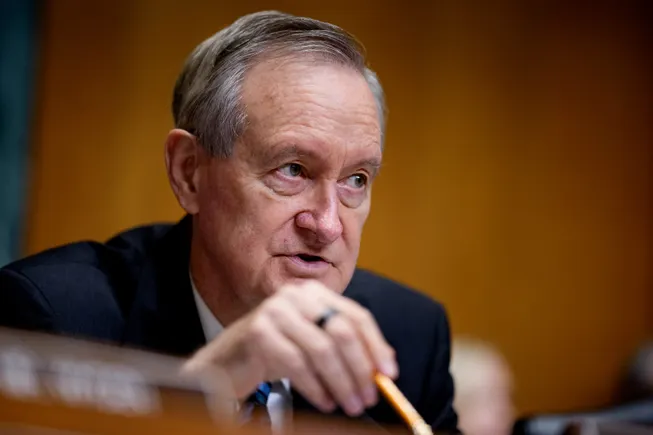
the Senate Finance Committee, led by Senator Crapo, is actively working to revive the PBM reform package. The urgency is heightened by the impending January 30th deadline for new funding legislation, providing a potential vehicle for inclusion.
However, the path to passage is not without obstacles. The Pharmaceutical Care Management Association (PCMA), the PBM industry’s main lobbying group, remains silent on the potential reintroduction of the package, suggesting a likely vigorous defense of the status quo. Furthermore, broader political challenges, such as ongoing debates over Affordable Care Act (ACA) subsidies, are diverting attention and resources.
Beyond PBM Reform: The ACA Subsidy Cliff
Adding to the complexity, lawmakers are also grappling
Related reading