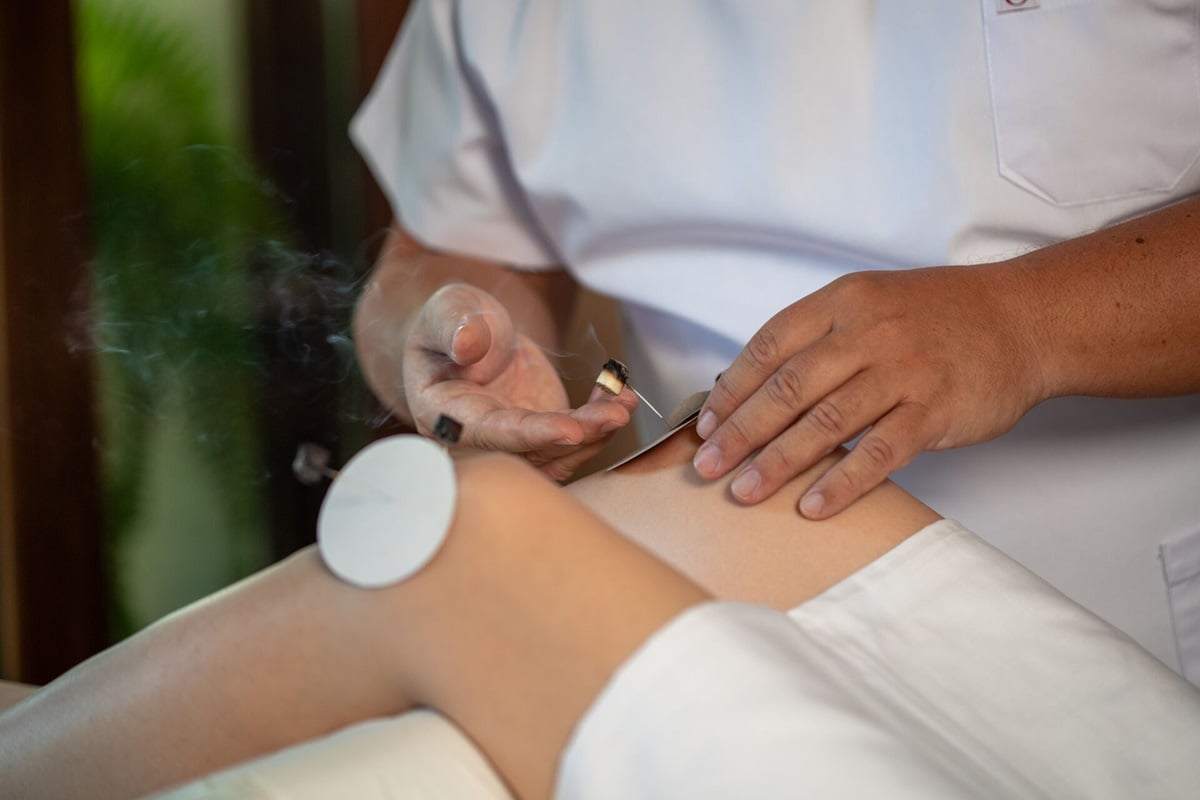
A New Era for Customary Medicine: Outcomes from the WHO Global Summit
The recent WHO Global Summit on Traditional Medicine (TM) in Delhi marked a pivotal moment, shifting the conversation from acknowledging the value of traditional practices to actively integrating them into global healthcare. Experts, policymakers, and practitioners converged to propel the WHO Global Traditional Medicine Strategy 2025-2034 forward, and the results are already promising. This isn’t simply about discussion; it’s about concrete action to reshape healthcare as we know it.
Unlocking Knowledge: The Traditional Medicine Global Library
A cornerstone of this progress is the launch of the Traditional Medicine Global Library (TMGL).This groundbreaking digital platform consolidates a massive 1.6 million resources on traditional medicine – encompassing everything from rigorous scientific studies to invaluable Indigenous knowledge.
The TMGL isn’t just a repository; it’s a powerful research tool. Key features include:
* Evidence Gap Maps: Quickly identify areas were more research is needed.
* TMGL GPT: An AI-powered tool designed to accelerate discovery and provide insights.
This unprecedented access to trusted information will empower researchers and practitioners worldwide, fostering innovation and informed decision-making.
Fueling Innovation: Health & Heritage Innovations (H2I)
The Summit also spotlighted innovation with the introduction of Health & Heritage Innovations (H2I). This initiative aims to bridge the gap between time-honored traditional practices and cutting-edge technologies like AI,genomics,and digital health.
From over 1,000 submissions, 21 finalists were selected. They will now participate in a year-long acceleration program, receiving:
* Scientific and regulatory guidance.
* Support in refining prototypes.
* Connections with policymakers and investors.
H2I represents a commitment to nurturing breakthrough ideas that can revolutionize healthcare delivery.
A Global Commitment: The Delhi Declaration
Countries demonstrated strong support for the future of traditional medicine by endorsing the Delhi Declaration. 26 Member States have already pledged specific commitments, signaling a new era of collaboration and investment.
These pledges focus on:
* Integrating TM into primary healthcare systems.
* Strengthening regulation and safety standards.
* Investing in robust research initiatives.
* Developing interoperable data systems for outcome tracking.
This represents a crucial shift – moving beyond recognition to tangible results, ensuring traditional medicine contributes to global health coverage.
A Vision for the Future
“Through the Delhi Commitment, countries have agreed not only on why traditional medicine matters – but on how to act,” stated Dr. Tedros Adhanom Ghebreyesus, WHO Director-General. He emphasized the potential of traditional medicine to address critical global health challenges, including the rising burden of noncommunicable diseases, inequities in access to care, and the impacts of climate change. It offers a path toward more person-centered,culturally sensitive,and holistic healthcare.
Looking ahead, the WHO will collaborate with Member States to translate these commitments into reality. This includes scaling access to reliable knowledge,accelerating innovation,and seamlessly integrating TM into health systems globally. The Global Traditional Medicine Strategy 2025-2034 provides a clear roadmap toward a future where healthcare is more inclusive,culturally grounded,and resilient – a future where your health benefits from the wisdom of the past and the power of modern science.
Resources:
* WHO Global Traditional Medicine Strategy 2025-2034: https://www.who.int/publications/i/item/9789240113176
* Traditional Medicine Global Library: https://www.who.int/news/item/25-09-2025-traditional-medicine-global-library-to-launch-in-2025
* Delhi Declaration: [https://tm-summitorg/wp-content[https://tm-summitorg/wp-content[https://tm-summitorg/wp-content[https://tm-summitorg/wp-content
Keep reading