bosnia’s Presidential Election: A Fragile System on the brink
Bosnia and Herzegovina faces a critical juncture as it heads into a presidential election this Sunday. The outcome won’t just determine the next occupant of the office, but could considerably destabilize an already fragile political landscape. This article dives deep into the context,the candidates,and the potential ramifications for the future of Bosnia.
The Context: A System Built on Division
To understand the stakes, you need to understand the foundation. The Dayton Agreement, signed in 1995, ended the Bosnian War but established a complex power-sharing system. This system divides governance among Serbs, Bosniaks (Bosnian Muslims), and Croats, designed to prevent any single ethnic group from dominating the others.
However, three decades later, this structure is showing severe strain. Institutional reforms have been minimal, and progress towards European integration remains largely symbolic. Bosnia is, in many ways, back where it started, grappling with the same ethno-national tensions that fueled the conflict.
The Candidates: A Clash of Styles and Loyalties
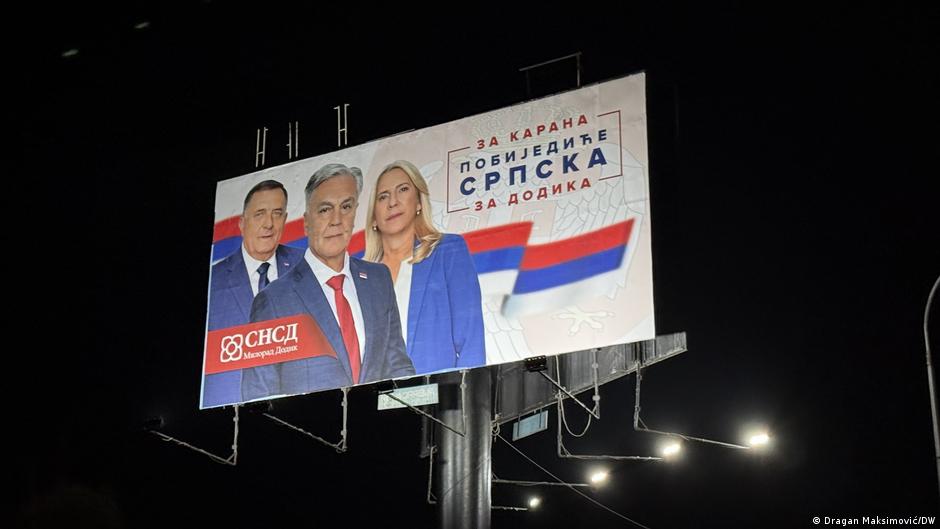
This election focuses on the Republika Srpska (RS), one of Bosnia’s two constituent entities. The incumbent,Milorad Dodik,though currently facing legal challenges,remains a dominant force. he’s effectively running through his chosen candidate, Jelena Karan.
Here’s a breakdown of the key players:
* Jelena Karan: A relatively unknown figure, Karan is a professor and member of Dodik’s Serbian Democratic Party (SDS). Her nomination reflects a lack of enthusiasm among Dodik’s inner circle to directly contest the election a year before parliamentary elections.
* Mirko Blanusa: Also a professor at the University of Banja Luka and a member of the SDS, Blanusa represents a potential wildcard. He’s considered a complete unknown in the RS political scene.
the polls currently show a remarkably tight race, suggesting a victory for either candidate could hinge on a handful of votes.
What a Win for Each Candidate Means
The implications of this election are far-reaching. let’s look at the potential outcomes:
* If Karan Wins: Expect a continuation of the status quo. Karan is widely anticipated to act as a proxy for Dodik, signing acts within the president’s limited jurisdiction while Dodik continues to wield the real power.
* If Blanusa Wins: This scenario introduces significant uncertainty. Dodik has openly threatened to prevent Blanusa from being sworn in,potentially triggering mass protests and further escalating tensions. His SNSD party holds a parliamentary majority, giving him the leverage to attempt such a blockade.
The National Impact: A Government in Name Only
The political maneuvering in Republika Srpska isn’t happening in a vacuum. Over the past year, RS has actively blocked national Bosnian institutions – the Council of Ministers and the parliament – in an attempt to pressure the judiciary during Dodik’s legal proceedings.
This led to a breakdown in the coalition government at the national level. Bosniak representatives withdrew from the alliance with Dodik’s SNSD and the Croat party led by Dragan Covic, who continues to align with Dodik. currently, the Bosnian government exists “only on paper.”
This situation highlights a risky trend: the strengthening of a Serbo-Croat partnership. This alliance is driven by a shared desire to create autonomous ethno-national units within Bosnia, effectively dismantling the Dayton agreement.
A System on Life Support
The current crisis underscores the fragility of a political system that has arguably outlived its usefulness. Bosnia is more polarized, weaker, and further from genuine institutional consolidation then it was in 1995.
The election outcome, while significant, is unlikely to fundamentally alter this trajectory. The underlying issues – deep-seated ethnic divisions, a lack of meaningful reform, and stalled European integration – remain unresolved.
What does this mean for you? It means continued instability in the region, potential for further political crises, and a prolonged period of uncertainty for the citizens of Bosnia and Herzegovina.
looking Ahead: A Need for Essential change
Bosnia needs more than just a new president. It requires a fundamental re-evaluation of the Dayton Agreement and a commitment to genuine institutional reform. Without addressing the root causes of the country’s divisions, the fragile peace will continue to be threatened.
Further Reading:
*
Worth a look
- Keiko Fujimori Sworn In as Peru’s Ninth President in a Decade
- Bryan Kohberger Victim’s Family Calls Convicted Murderer a “Narcissist” After Plea Withdrawal Request
- AJK Officials Allege Armed Militants Orchestrated Regional Election Unrest (archyworldys.com)
- Britain’s Biggest-Ever By-Election Fails to Generate Buzz (world-today-news.com)