Taiwan Prepares Citizens for Crisis with New civil Defence Guide
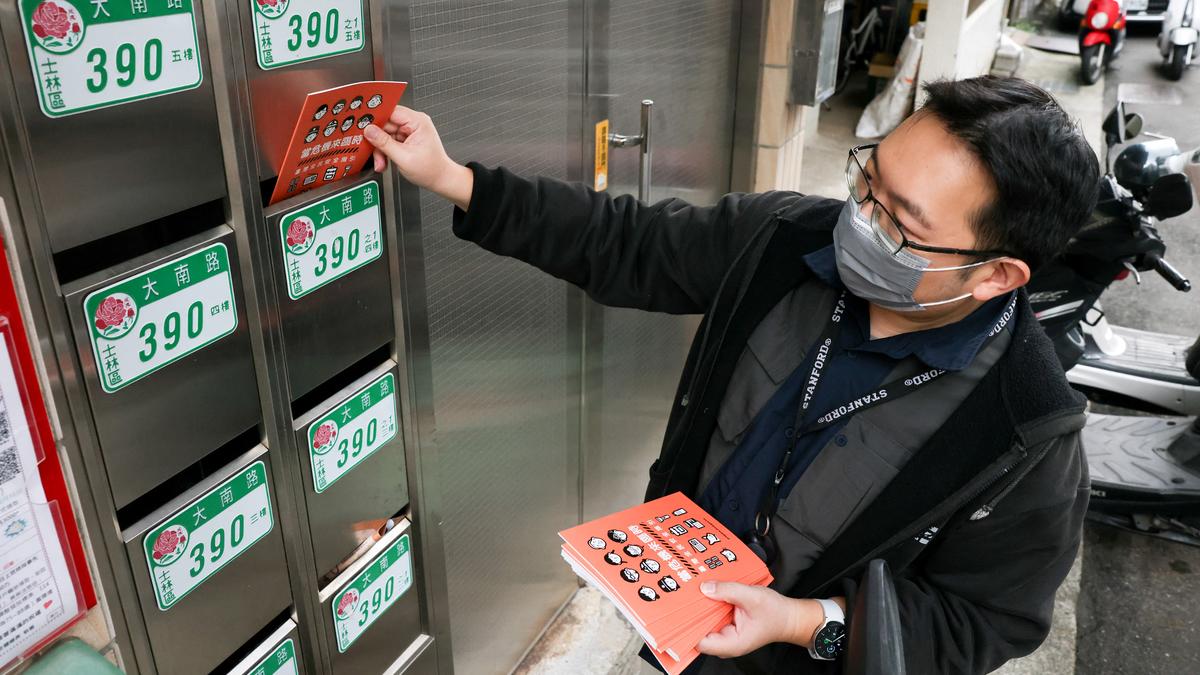
taipei, Taiwan – November 22, 2025 – As geopolitical tensions rise and the threat of natural disasters looms, Taiwan is proactively equipping its citizens with vital knowledge. This week, the government began distributing a comprehensive civil defense booklet to nearly 10 million households across the island. The move, while lauded by some as a necessary precaution, has also sparked debate regarding its cost and effectiveness.
The 32-page “in Case of crisis” guide isn’t simply a theoretical exercise. It’s a direct response to a perceived increase in regional instability, particularly concerning potential aggression from China, and a recognition of Taiwan’s vulnerability to earthquakes, typhoons, and other natural calamities.
A Practical Guide to Preparedness
The booklet covers a wide range of essential details, designed to empower individuals and communities to respond effectively in a crisis. Here’s a breakdown of what you’ll find inside:
* Emergency kit Essentials: Guidance on assembling a ”go bag” with crucial supplies like water, food, a flashlight, and first-aid materials.
* Air Raid Protocols: Clear instructions on what to do when air-raid sirens sound, including identifying safe shelters.
* First Aid Basics: Essential first-aid techniques to provide immediate care in emergency situations.
* Combating Disinformation: A critical warning about the potential for “hostile foreign forces” to spread false information aimed at undermining public resolve.The guide explicitly states that any claims of government surrender or defeat in the event of a Chinese attack are false.
This is the first time taiwan has opted for a widespread printed distribution of emergency guidelines. Previously, this information was available solely online. Defence Minister Wellington Koo explained the decision, emphasizing the need to reach all citizens, particularly the elderly in rural areas and those without reliable internet access.
A Mixed Reception from the Public
Reactions to the guide have been varied. Jay Tsai,a 31-year-old 3D animation specialist,expressed a cautious optimism. “I hope we’ll never need it, but it feels reassuring to have,” he told AFP. He plans to keep the booklet near his other emergency supplies.
Community leaders like Chi Chien-han, 43, see the guide as a valuable reminder to stay vigilant. “it reminds us to stay alert rather than acting like nothing matters,” he said.
Though, not everyone is convinced.IT worker Yang Chen-che, 38, believes the information is readily available online and the printed version is unneeded. Chiang Chu-hsuan, 60, another community leader, criticized the initiative as a “waste of money,” arguing that President Lai Ching-te should prioritize diplomatic efforts to prevent conflict.
Drawing Inspiration from Global Best Practices
Taiwan’s Defence Ministry has stated that the guide was developed with insights from similar civil defense publications in Sweden and France. Lin Fei-fan, deputy secretary-general of the National Security Council, emphasized that the booklet demonstrates Taiwan’s commitment to self-defense.
The cost of the project, estimated at over NT$60 million (approximately $1.9 million), has drawn scrutiny. Legislator Yeh Yuan-chih, from the Kuomintang party, questioned the expenditure during a parliamentary session.
A Shift in Perspective
The distribution of this guide reflects a growing awareness of potential threats.Ruru Liu,32,noted a change in public perception. “In the past, war didn’t feel that close to us,” she said.”But after what happened in Ukraine, I think this might help people to some extent.”
The “In Case of Crisis” guide is a key component of President Lai Ching-te’s broader strategy to prepare Taiwan for a range of potential scenarios. It’s a tangible step towards bolstering national resilience and empowering citizens to protect themselves and their communities.
This article provides information based on reporting from the Associated French Press (AFP) as of November 21, 2025.
Related reading