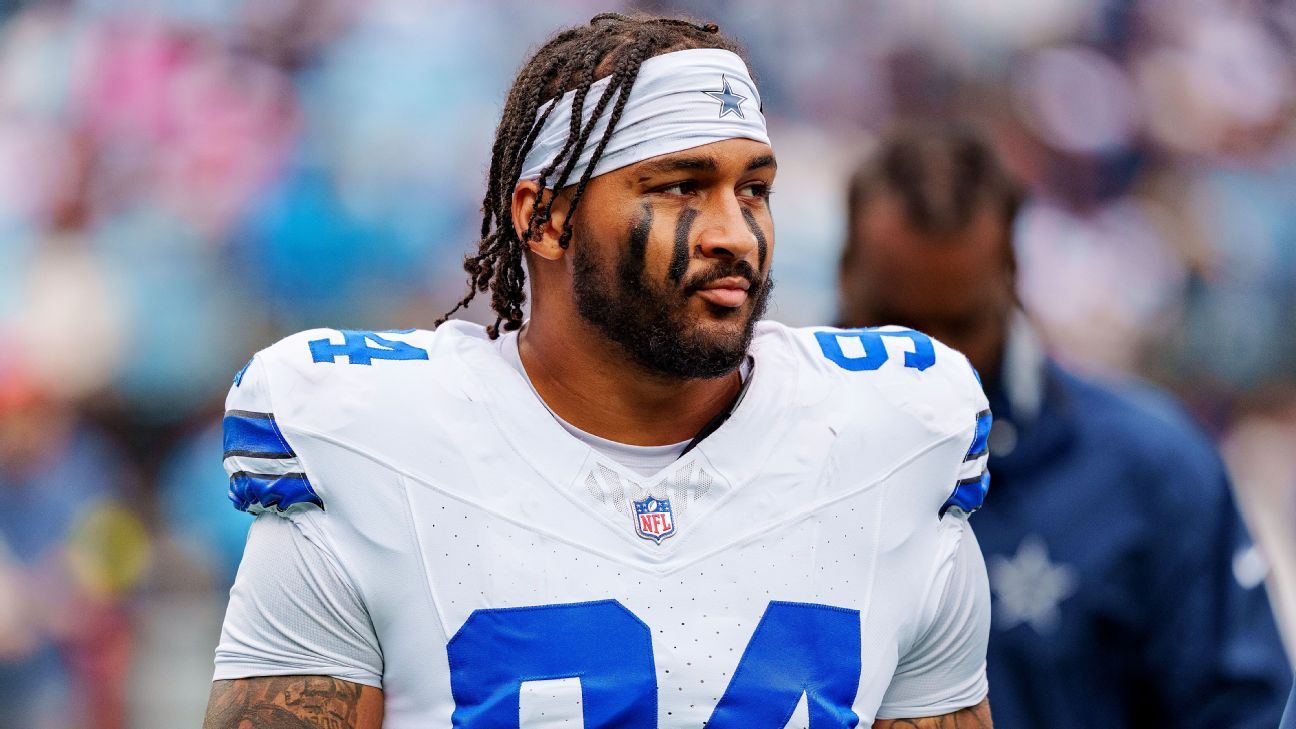
The Silent Struggle of Marshawn Kneeland: A Tragic Loss and a Call for Proactive Mental Health Support in Football
The recent death of Dallas Cowboys rookie defensive tackle Marshawn Kneeland, at the age of 24, has sent shockwaves through the NFL and his alma mater, Western Michigan University. While initial reports confirmed an apparent self-inflicted gunshot wound in frisco, Texas on November 6th, newly released police reports paint a heartbreaking picture of a young man battling a long-term struggle with mental health, raising critical questions about support systems within collegiate and professional football. This article delves into the details of Kneeland’s documented struggles, the responses from involved institutions, and the urgent need for proactive mental health care for athletes.
A History of Concern: From College Campus to NFL Draft
Documents obtained by ESPN through open-records requests reveal concerns regarding Kneeland’s mental wellbeing dating back to 2020.These aren’t isolated incidents, but rather a pattern of escalating distress that, tragically, culminated in his death.
One especially concerning episode occurred in June 2023, just ten months before the Dallas Cowboys selected him in the second round of the NFL draft.western Michigan head coach Lance Taylor and defensive coordinator Lou Esposito, acting on a genuine concern for Kneeland’s safety, contacted campus police after his recent separation from his girlfriend. Their primary worry wasn’t simply a broken relationship, but a fear that Kneeland might be a danger to himself, specifically regarding access to firearms.
The campus police report details how Kneeland voluntarily surrendered a firearm to the Western Michigan University Police Department (WMUPD) for safekeeping, pending evaluation by a mental health professional. Twelve days later, he retrieved the weapon after receiving a letter from a social worker at the Sindecuse Health Center, confirming he was deemed not to be an immediate threat. While this process demonstrates a degree of responsible action, it also highlights the limitations of a reactive approach – waiting for a crisis to unfold before intervention.
A Cry for Help: The 2020 Incident Near Train Tracks
The 2023 incident wasn’t an anomaly. In September 2020, an unnamed friend contacted 911, expressing deep concern for Kneeland’s wellbeing. responding officers found him near train tracks in Kalamazoo, Michigan. The police report is chillingly direct: “Kneeland told me he was sitting across the tracks in hopes a train would run him over to end his life.” He attributed his despair to a combination of overall life struggles and frustration over a lack of playing time at Western michigan. Crucially, the report notes Kneeland explicitly stated he did not currently seek therapy or medication. He was subsequently transported to Borgess Hospital (now Beacon kalamazoo), but the circumstances surrounding his release remain unclear.
This incident underscores a critical point: Kneeland’s struggles weren’t hidden, but the support he received appears to have been insufficient to address the underlying issues. The fact that he felt driven to such a desperate act speaks volumes about the intensity of his pain.
Institutional Responses and the Question of Awareness
Western Michigan University released a statement expressing their heartbreak over Kneeland’s loss, emphasizing the holistic support offered to student-athletes, including mental health services. They confirmed Kneeland utilized these resources during his time at WMU. However, the statement doesn’t address the specifics of his care or whether the university felt equipped to handle the complexities of his situation. The counselor involved in the 2023 firearm incident did not respond to requests for comment.
The Dallas Cowboys, meanwhile, have remained tight-lipped. A team spokesperson declined to comment on whether the organization was aware of Kneeland’s prior mental health incidents. This silence raises questions about the thoroughness of background checks and the extent to which NFL teams proactively address the mental wellbeing of their players.While physical health is rigorously monitored,mental health frequently enough remains a secondary concern.
Kneeland’s cousin, Nicole Kneeland-Woods, the family spokesperson, stated she was unaware of these previous incidents, highlighting the potential for a disconnect between the athlete’s public persona and his private struggles.
The Final Pursuit and a Tragic End
The events leading up to Kneeland’s death on november 6th were harrowing. Texas police engaged in a high-speed pursuit after spotting his car speeding down the highway, reaching speeds exceeding 145 mph. After crashing his vehicle and fleeing on foot, officers received details indicating Kneeland had expressed suicidal ideations. The tragedy unfolded shortly thereafter.
**Beyond Grief: A Call to Action for Athlete Mental
Keep reading