Reclaiming Identity: Luskinik,Family stories,and the Power of Portrayal in Powwow Highway
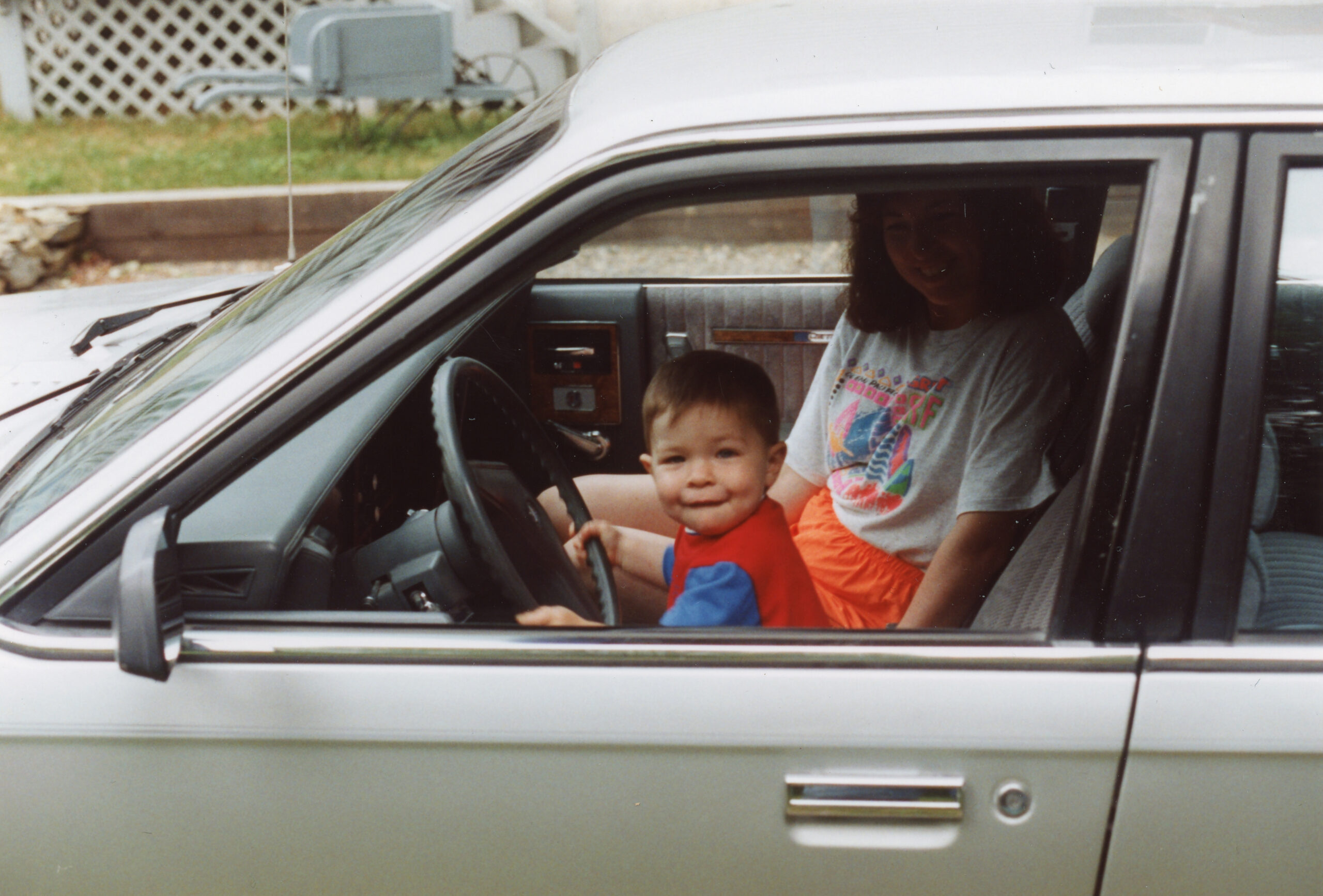
November has always been a time of homecoming for me. It’s a season marked by the scent of woodsmoke, the comforting ritual of family card games, and the taste of luskinik – a traditional Mi’kmaq dish that connects me to generations past. These early winter evenings, spent with my father and great uncle, weren’t just about Rummy 500 and Red Rose tea; they were about inheriting a legacy.
These were the moments I learned about my great-grandparents’ journey. They left the Mi’kmaq reservation in Nova Scotia,seeking work as farmhands in Aroostook County,Maine,eventually settling in southern Maine where our family remains today. I absorbed stories of their lives, their world, and what it meant to be Native – a heritage I cherished.
However, growing up as a mixed Native child “off-rez” in Maine presented a stark duality. The identity celebrated at home felt worlds away from the one implicitly defined by my surroundings. Looking in the mirror,I questioned my belonging,grappling with being a pale-skinned,blue-eyed descendant of a vibrant culture.
this disconnect was amplified by my schooling. The only Native Americans acknowledged were those of Western tribes, often reduced to stereotypical depictions. Our school proudly displayed a ten-foot “Arundel Indians” mascot plaque,a constant visual reminder of exclusion. I quickly learned to compartmentalize – the “Indian” I was at home wasn’t the boy I was at school.
The 1990s classroom rarely acknowledged the mi’kmaq people. When my Native identity was acknowledged,it was frequently enough met with comments about how I didn’t “look” like the Native people in textbooks or Western films. This subtle, yet persistent, messaging fostered a deep-seated shame. I began to internalize the idea that I didn’t truly belong.
I distanced myself from those cherished family stories,believing my life didn’t align with the world’s narrow definition of “Native.” It took years to dismantle that internalized shame and embrace my heritage with pride. It was a journey of reclaiming a narrative that had been subtly, yet powerfully, eroded.
Powwow Highway and the Comfort of Recognition
that journey of reclamation is why I chose to pair my grandmother’s luskinik recipe with a discussion of the film Powwow Highway (1989). On a surface level, the film’s distinctly 1980s aesthetic evokes a powerful sense of nostalgia. It’s the kind of movie that would have played on my uncle’s CRT television while we played cards.
But the connection runs deeper. Powwow Highway offers a rare and authentic portrayal of contemporary native American life, specifically focusing on the northern Plains tribes. It’s a film that centers Native voices and experiences, offering a counter-narrative to the stereotypical representations I encountered growing up.
Here’s what makes Powwow Highway so critically important:
* Authentic Representation: the film, directed by Brent Haney, a member of the Sioux tribe, prioritizes Native perspectives and avoids the pitfalls of cultural appropriation.
* Complex Characters: The characters are multifaceted and relatable, grappling with issues of identity, tradition, and modernity.
* Humor and Heart: The film balances poignant moments with a wry sense of humor, creating a deeply engaging and emotionally resonant experience.
* festivity of Culture: Powwow highway beautifully showcases the vibrancy of Native American culture,including powwows,storytelling,and spiritual practices.
Powwow highway isn’t just a film; it’s a testament to the power of representation. It’s a reminder that Native American identity is not monolithic, and that there are countless ways to be Native. It’s a film that allows viewers to see themselves reflected on screen, fostering a sense of belonging and pride.
Sharing a Taste of Home: Luskinik Recipe
Luskinik (also spelled luspini) is a traditional Mi’kmaq dish made from smoked eel. It’s a food deeply connected to our history and our relationship with the land. While smoked eel can be difficult to find outside of Mi’kmaq communities, the spirit of the dish – resourcefulness, connection to nature, and honoring tradition – remains powerful.
Here