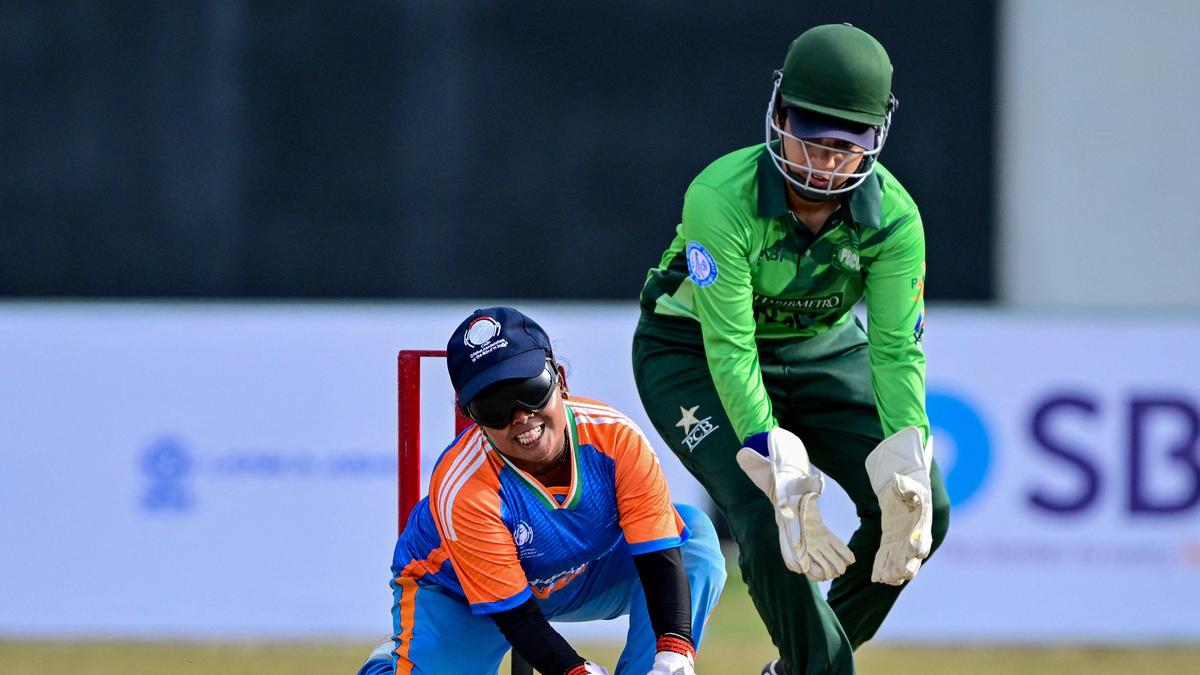
Breaking Barriers: The Inaugural WomenS Blind Cricket World Cup Ushers in a New Era of Inclusion
the world of cricket has witnessed a historic moment. This month, India and Sri Lanka jointly hosted the vrey first Women’s Blind Cricket World cup, a testament to the growing movement for inclusivity in sports and a powerful presentation of athletic prowess beyond conventional limitations. The tournament, featuring teams from india, Pakistan, Nepal, Sri Lanka, Australia, and the U.S., isn’t just about cricket; it’s about empowerment, breaking down societal barriers, and showcasing the unbelievable potential of athletes with visual impairments.
As someone who has followed the evolution of blind cricket for years, witnessing this milestone is profoundly inspiring. It’s a clear signal that the sport is maturing, and that opportunities for women with visual impairments are finally beginning to emerge.
A Unique Game, Demanding Remarkable Skill
For those unfamiliar, blind cricket isn’t simply adapted cricket. It’s a distinct discipline demanding a unique skillset and strategic approach. The game is played with a specially designed white ball embedded with ball bearings, allowing players to locate it audibly. Crucially, the bowler must call “play” to signal the delivery of the underarm ball, giving the batter a vital auditory cue to prepare.
Teams are comprised of players with varying degrees of visual impairment – from complete blindness to partial sight allowing vision up to six meters. This diversity necessitates a high degree of adaptability and teamwork. As Indian captain Deepika T.C. aptly puts it, “There is no tension…everyone is an all-rounder.” This isn’t just a team ideology; it’s a necessity for success.
More Than Just a Game: A Pathway to Empowerment
The impact of this tournament extends far beyond the cricket pitch. Many of the players, like 18-year-old phula Saren from Orissa, India, come from humble backgrounds in rural communities. For them, representing their contry is a source of immense pride, not just personally, but for their entire families and villages.
“Getting into the game is not onyl a big shift for girls from modest homes, but also makes a huge difference to their families who see them shine in this field,” explains Mahantesh G. Kivadasannavar,Chairperson of the Cricket Association for the blind in India (CABI) and the driving force behind the tournament. CABI plays a vital role in identifying and nurturing talent across India’s villages, providing crucial training and support.
The players themselves are a testament to resilience and ambition. Anikha Devi, a 20-year-old from Jammu and Kashmir, balances her cricket training with her studies in programming.Nimra Rafique, representing Pakistan, is pursuing a bachelor’s degree in education, confidently asserting, “Both. Why,it is possible!” This dedication to both athletic and academic pursuits underscores the holistic benefits of participation in sports.
Challenges and Opportunities Ahead
The rapid organization of this tournament – pulled off in under two months thanks to the support of Sri Lankan authorities, Indian officials, and generous sponsors – is a remarkable achievement. Though, it also highlights the ongoing need for increased infrastructure and financial backing to sustain and expand opportunities for blind women’s cricket.
As Kivadasannavar notes, cricket’s strategic nature lends itself well to players with visual impairments, allowing them to excel through spatial awareness and tactical understanding. But realizing this potential requires dedicated facilities, specialized coaching, and consistent funding.
Sri Lanka’s swift response to the tournament, assembling a team from university students and interested individuals, demonstrates the growing global interest in the sport. Sudesh Tharanga,President of the Sri Lanka Cricket Association for the Visually handicapped,emphasizes,”We couldn’t have missed such a great opportunity.”
A Bright Future for Blind Women’s Cricket
The inaugural Women’s Blind Cricket World Cup is more than just a sporting event; it’s a cultural shift. It’s a powerful message of inclusion, resilience, and the unwavering spirit of athletes who refuse to let limitations define them.
The players, while focused on the competition, also took time to appreciate their surroundings, with many remarking on the beauty of Colombo, despite the warm weather. These small moments underscore the human connection fostered through sport, transcending boundaries and celebrating shared experiences.
As the tournament concludes with India facing Nepal in the final at the historic P. Saravanamuttu Stadium (Colombo oval), one thing is clear: this is just the beginning. The success of this World Cup will undoubtedly pave the way for
Worth a look