US Peace Proposal for Ukraine Faces scrutiny as Negotiations Loom in Geneva
A US-led peace proposal aimed at resolving the conflict in ukraine is facing intense scrutiny from Kyiv and Moscow alike, as leaders prepare for further discussions in Geneva. the plan, details of which were widely leaked, outlines a potential framework for ending the war, but raises concerns about territorial concessions and limitations on Ukraine’s future military capabilities. This article provides a comprehensive overview of the proposal, the reactions from key players, and the challenges that lie ahead.
The Core of the Proposal
The US plan, as currently understood, centers around several key elements:
* Territorial Adjustments: Ukraine woudl withdraw from the currently controlled portions of the Donetsk region. This would effectively solidify Russian control over Donetsk, Luhansk, and Crimea – territories Russia annexed in 2014.
* Frozen Conflict lines: Borders in the southern Kherson and Zaporizhzhia regions would be frozen along current battle lines, acknowledging Russia’s partial occupation.
* Military Limitations: Ukraine’s armed forces would be capped at 600,000 personnel. supplemental security would be provided by European fighter jets stationed in poland.
* Security Guarantees: Kyiv would receive “reliable security guarantees,” though specifics remain undisclosed.
* Russia’s Reintegration: The plan envisions Russia’s eventual reintegration into the global economy, including the lifting of sanctions and a potential return to the G7 (reforming it as the G8).
* Expectations of Non-aggression: The document anticipates Russia will refrain from further invasions of neighboring countries and that NATO will not expand.
Reactions and Concerns
The proposal has elicited a range of responses, highlighting the complexities of achieving a lasting peace.
ukraine’s Position: President Volodymyr Zelenskyy has expressed deep reservations, notably regarding the proposed territorial concessions and military limitations. He warned the nation of a “very difficult choice” between losing dignity or possibly losing a crucial ally – a clear reference to the US. Zelenskyy has pledged to work “constructively” with the US,but emphasized the need to defend Ukraine’s national interests. He has appointed Andriy Yermak, his chief of staff, to lead Ukraine’s negotiating team.
Sir Keir starmer’s Concerns: The Leader of the Labor Party in the UK, Sir Keir Starmer, voiced concerns about the proposed caps on Ukraine’s military, stating it’s “fundamental that Ukraine has to be able to defend itself if there’s a ceasefire.”
Russia’s Response: President Vladimir Putin acknowledged receiving the plan but stated it hadn’t been discussed in detail with the Kremlin. He indicated a willingness to “show versatility” while also reaffirming Russia’s preparedness to continue fighting.
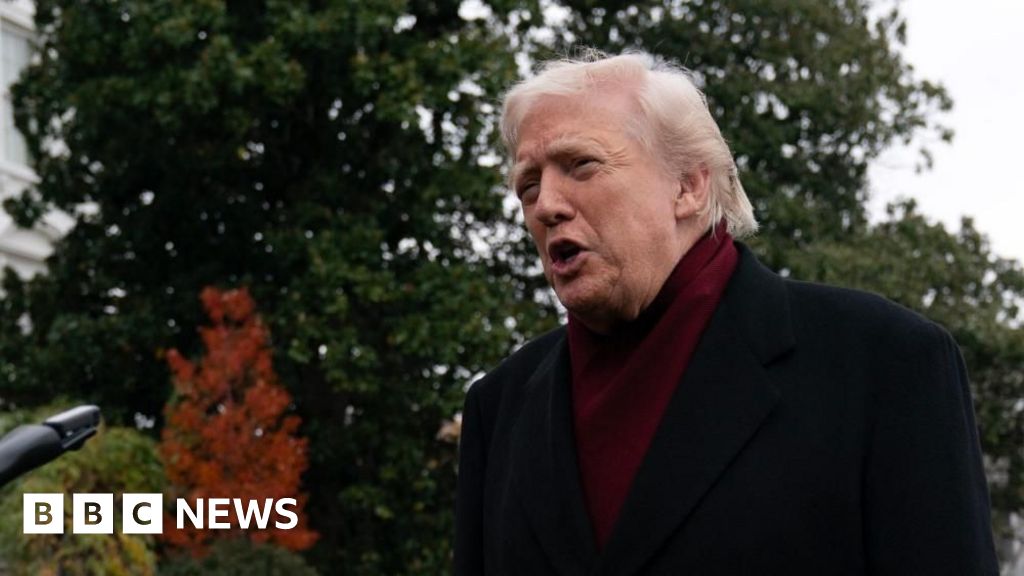
The US Perspective: Former President Donald Trump has suggested Zelenskyy “would have to like” the proposals, implying a link between acceptance and continued US support.
Why This Matters to You
As a concerned global citizen, understanding the nuances of this peace proposal is crucial. The outcome of these negotiations will have far-reaching consequences for European security, international relations, and the principles of national sovereignty. You need to be aware of the potential trade-offs being considered and the implications for the future of Ukraine and the broader geopolitical landscape.
Challenges Ahead
Several notable hurdles remain:
* Territorial Disputes: Ukraine is unlikely to willingly cede territory, and any agreement involving such concessions will face strong domestic opposition.
* security Guarantees: The lack of detail surrounding the “reliable security guarantees” offered to Ukraine raises questions about their effectiveness.
* Russia’s Intentions: Skepticism remains regarding Russia’s commitment to peaceful resolution, given its history of aggression and its current military advances in southeastern Ukraine.
* Domestic Political Considerations: Leaders in both Ukraine and the US face domestic political pressures that coudl complicate negotiations.
The Road to Geneva
Leaders agreed to continue discussions in Geneva, with teams working to refine the 28-point US proposal. Further talks are scheduled for tomorrow, and the situation remains fluid. The coming days will be critical in determining whether a viable path toward peace can be forged, or if the conflict will continue to escalate.
Staying Informed
This is a developing story. For the latest updates
Related reading
- Europe Without Visas: The Transnational Reality of Undocumented Migrants
- US-Iran Conflict Escalates: Trump Weighs New Attacks Amid Regional Strikes
- Russian Strikes Kill 13 in Ukraine, Missile Hits Poland (newsdirectory3.com)
- The Senate Blue Slip, Explained: The Custom Trump Wants Gone (daybreakwire.com)