The Power of Playful Protest: How Absurdity Disrupts the Status Quo
Political dissent takes many forms, but some of the most memorable – and effective – leverage the power of the unexpected. Throughout history, activists have discovered that humor, absurdity, and playful public displays can be remarkably potent tools against oppression and injustice. I’ve found that these tactics often resonate more deeply then customary methods, capturing attention and sparking crucial conversations.
Why Does Playful Protest Work?
It’s a fascinating dynamic. When faced with serious issues like state violence, authoritarianism, or human rights abuses, a touch of the absurd can be incredibly disarming. Here’s what makes it so effective:
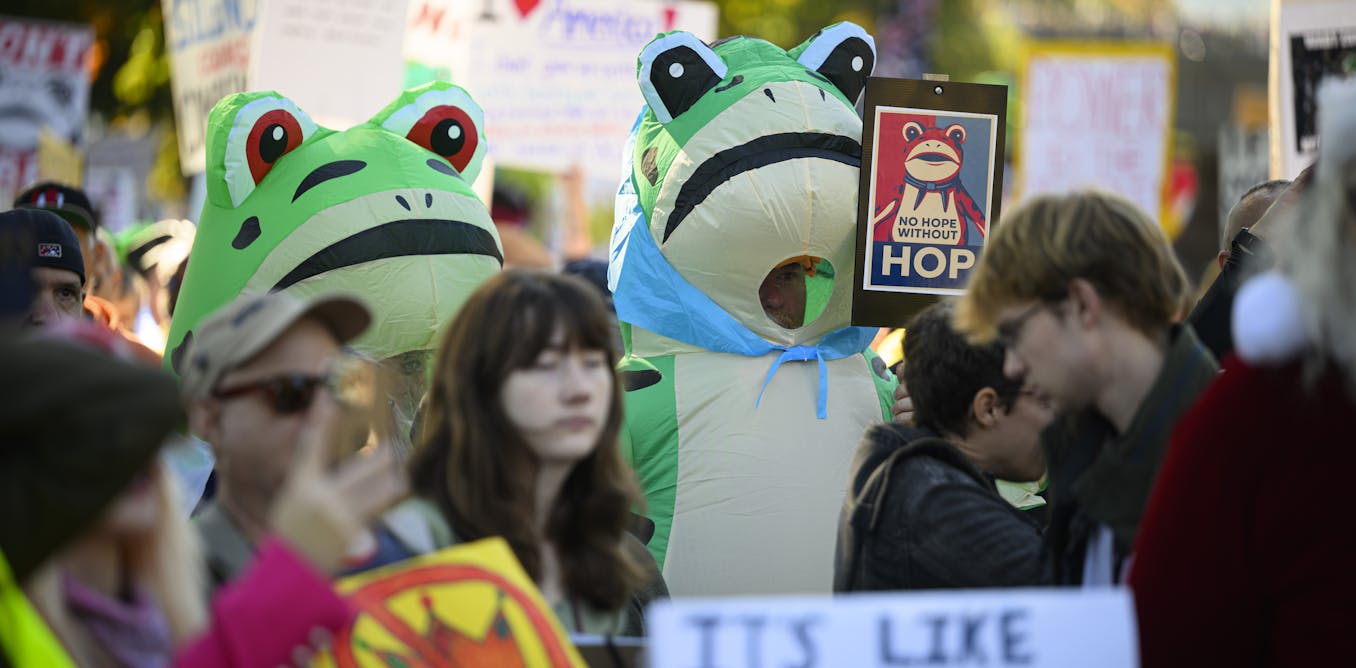
* It Captures Attention: A giant inflatable chicken outside the White House,for example,is far more likely to be noticed – and photographed – than a standard protest sign.
* It Undermines Authority: Serious displays of power can be challenged by playful disruption, subtly eroding the legitimacy of those in charge.
* It Fosters Connection: Humor can break down barriers and create a sense of solidarity among participants and onlookers.
* It’s Memorable: Absurdist performances stick in people’s minds long after the event is over, fueling ongoing dialog.
A History of playful Resistance
This isn’t a new phenomenon. Throughout the 20th and 21st centuries, activists have consistently turned to playful tactics to make their voices heard.
* The 1960s & The Bread and Puppet Theater: During the Vietnam War era, the Bread and Puppet Theater utilized towering puppets and satirical street performances to protest both the war and broader social inequalities. Their work was a powerful example of art as direct action.
* Anti-Globalization Protests: Carnivalesque tactics, like wearing clown costumes, became a common response to police repression at anti-globalization demonstrations. These costumes served as both a form of protection and a way to mock the perceived seriousness of the authorities.
* The raging Grannies (Early 2000s): Easily identifiable by their colorful outfits and witty songs, the Raging Grannies were a fixture at antiwar and antinuclear protests. They proved that age is no barrier to activism.
* LGBTQ+ Rights Movement: this movement has a long history of using playful disruption. From throwing pies at right-wing politicians to staging costumed flash mobs and dance parties outside the homes of prominent figures, activists have consistently used humor and spectacle to challenge prejudice and demand equality.
Modern Examples of Creative Dissent
The spirit of playful protest continues today. You see it in:
* Inflatable Protest Art: The “Trump chicken” and “Trump baby” blimp are prime examples of how inflatables can be used to create visually striking and politically charged statements.
* Flash mobs & Dance Parties: These spontaneous performances can disrupt public spaces and draw attention to important issues.
* Glitter-Bombing & Pie-ing: While controversial, these tactics are designed to shock and embarrass those in power, forcing them to confront the consequences of their actions.
Ultimately, these tactics demonstrate a essential truth: political dissent doesn’t always have to be serious to be effective. Actually, sometimes, the most powerful statements are made with a smile, a song, and a healthy dose of absurdity. Here’s what works best: embracing creativity and challenging the status quo in unexpected ways.
Keep reading